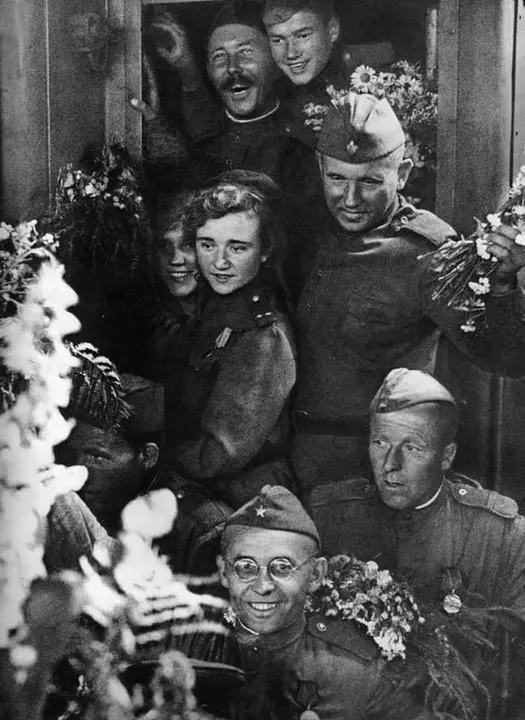
Soviet soldiers celebrate returning home alive, 1945.
They are laughing. They embrace one another, their faces bright with the simple, almost unbelievable happiness of being alive. Of the roughly 34 million men and women who served in the Soviet armed forces during the war, nearly nine million would never return. For those who fought on the front lines, particularly in the terrible battles of 1941 and 1942, the chances of survival could be far worse.
For four years, death had walked beside these men, slept in their trenches, and called out the names of their comrades. Now the war is over, and they are going home. Somewhere, mothers are waiting at railway stations, wives are listening for footsteps, and children are trying to remember the faces of their fathers. Yet in every returning train there are empty places, and in every village there are doors that will never open again. These men have survived what millions did not. They laugh because the sun is shining, because the earth is no longer trembling beneath their feet, because tomorrow belongs to them once more. And perhaps, beneath their laughter, there is a sorrow too deep for tears.
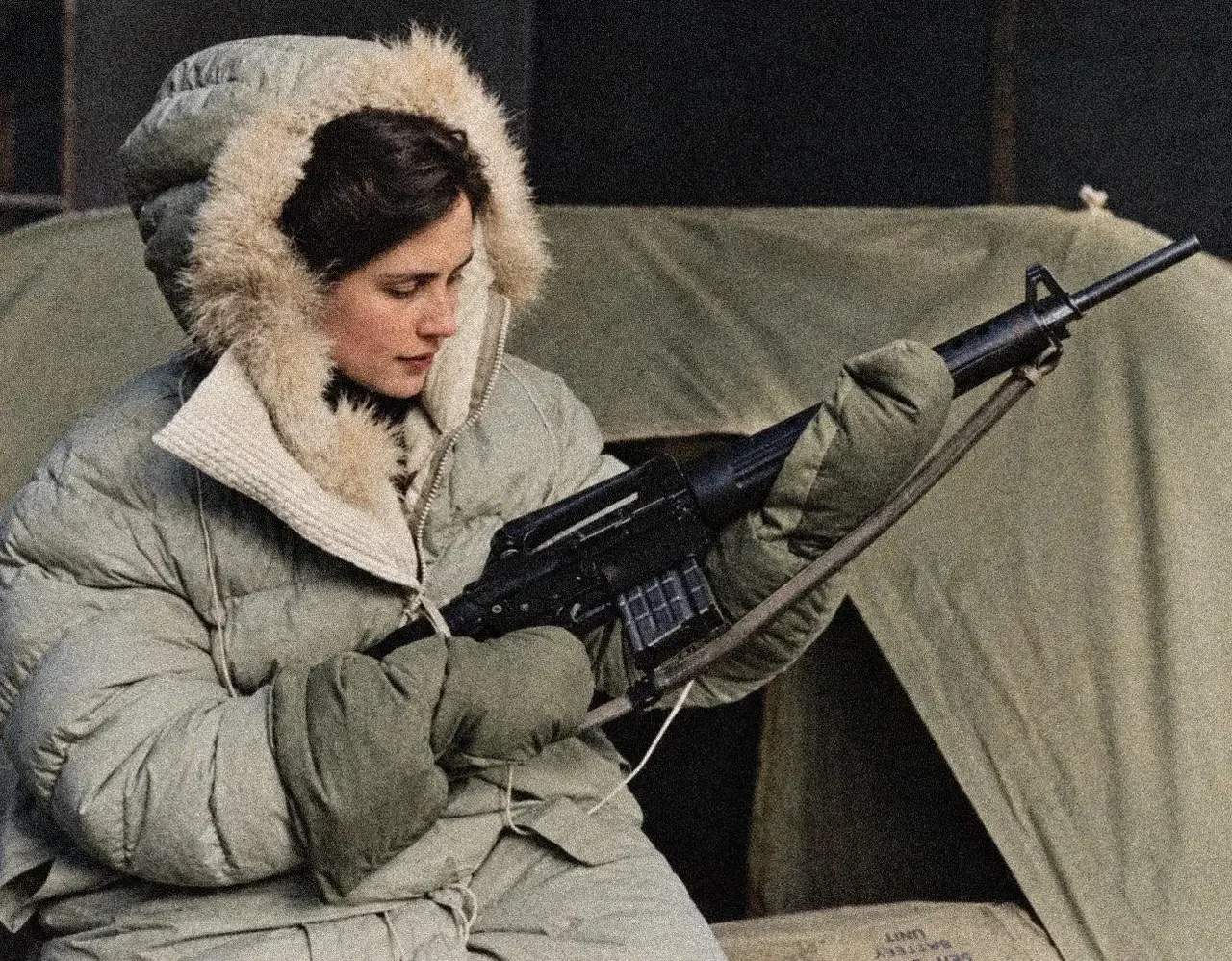
KLM Royal Dutch Airlines stewardess dressed in arctic winter gear and holding a ArmaLite AR-10 battle rifle, included in their aircraft’s polar survival kits, c. 1958 – 1959.
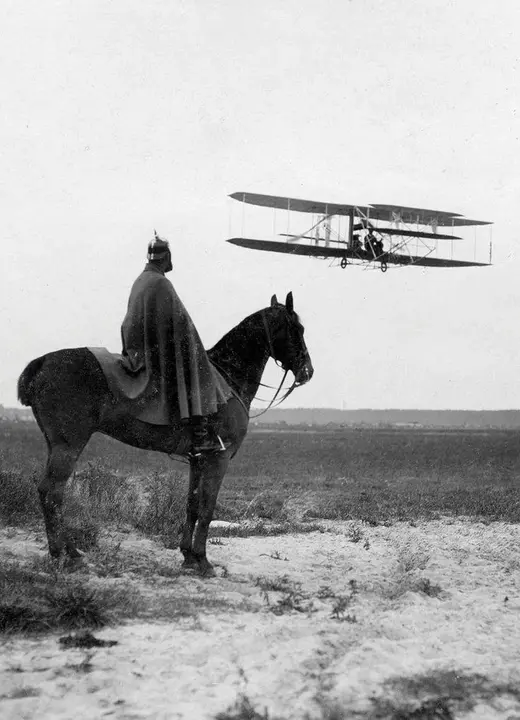
A German cavalryman gazes upon an early airplane in 1910
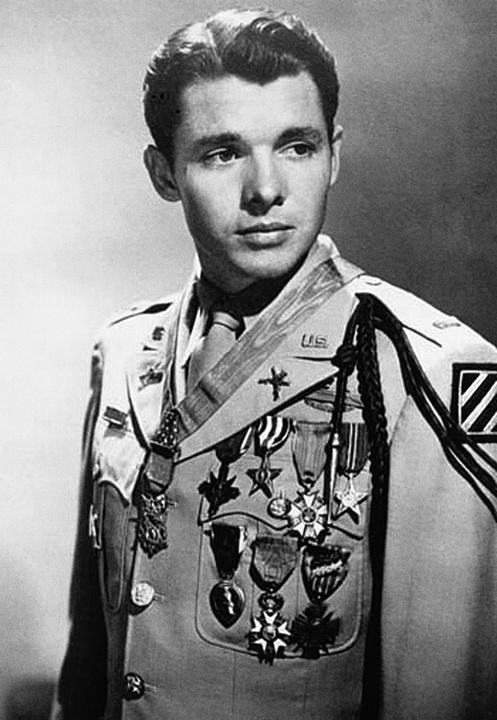
Portrait of Audie Murphy, 1948, the most decorated American soldier in World War II.
Audie Murphy became the most decorated American soldier of World War II for his extraordinary bravery in combat, earning 33 U.S. military awards and decorations, including the Medal of Honor. His most famous act of heroism came in January 1945, when he single-handedly held off a German attack in France by firing a machine gun from a burning tank destroyer despite being wounded.
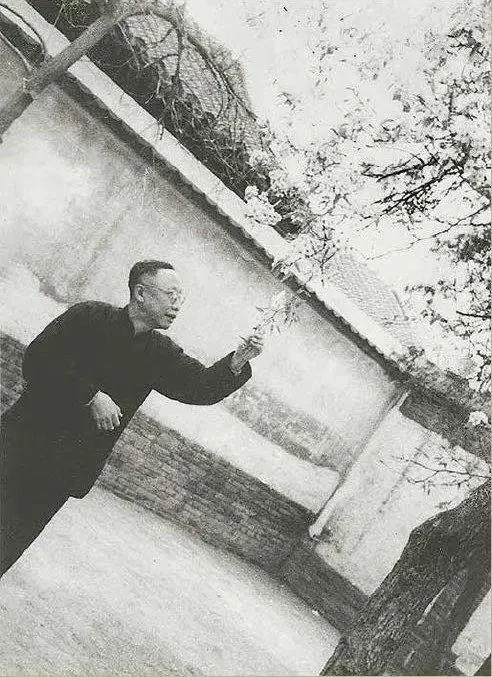
The last photo ever taken of former Chinese Emperor Puyi living as a citizen in Maoist China, 1967. At the age of 2, Puyi was appointed to reign over more than 400,000,000 people, by the time of his death, he was a powerless commoner who worked as a gardener
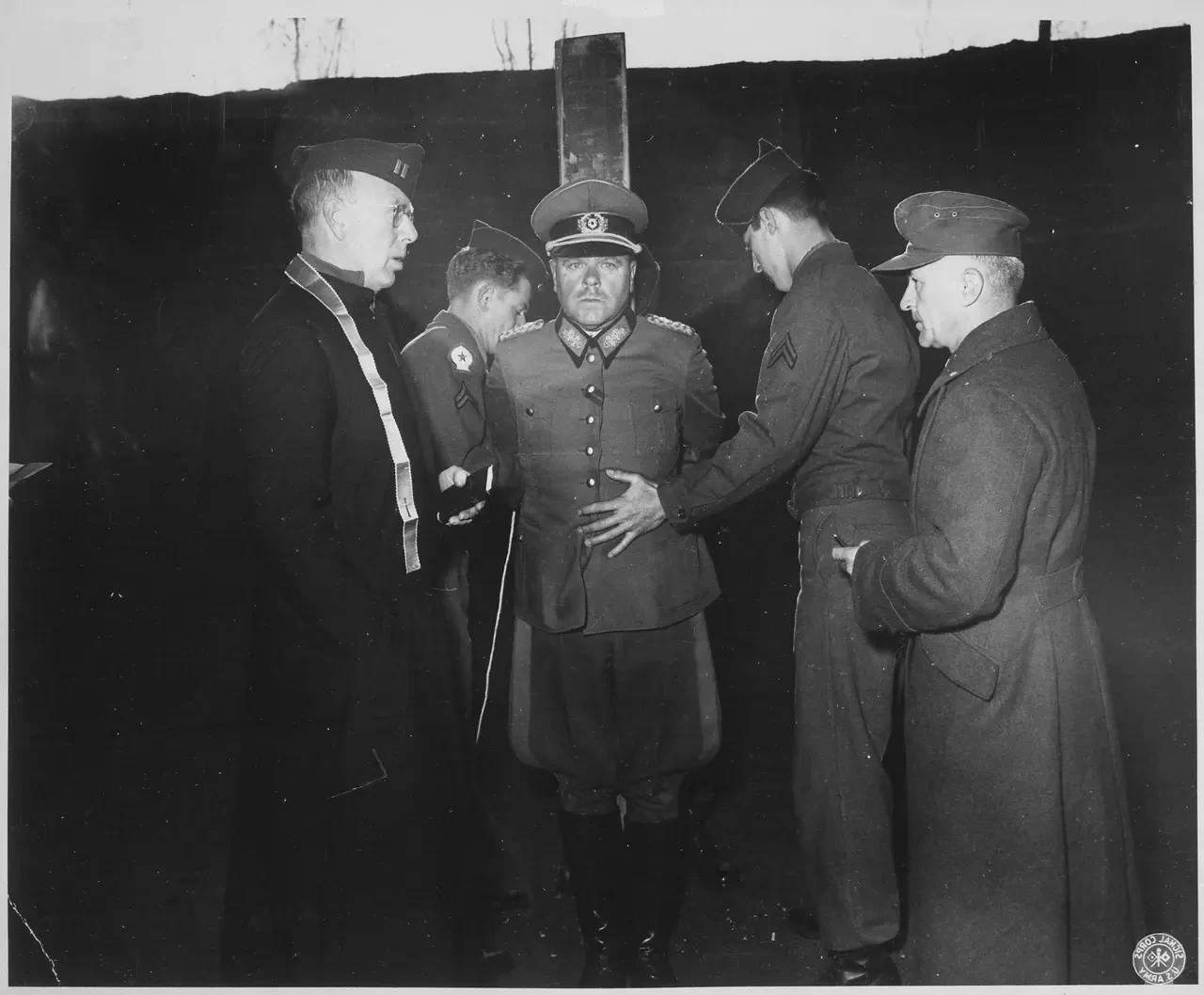
German general Anton Dostler is tied to a stake before his execution by a firing squad in the Aversa stockade, Italy December 1945.
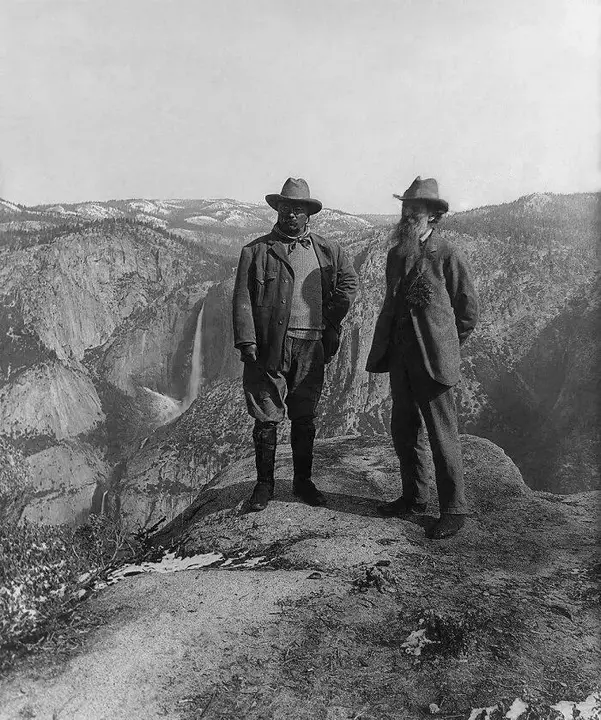
A Photo Of Theodore (Teddy) Roosevelt and John Muir At Yosemite, 1903.
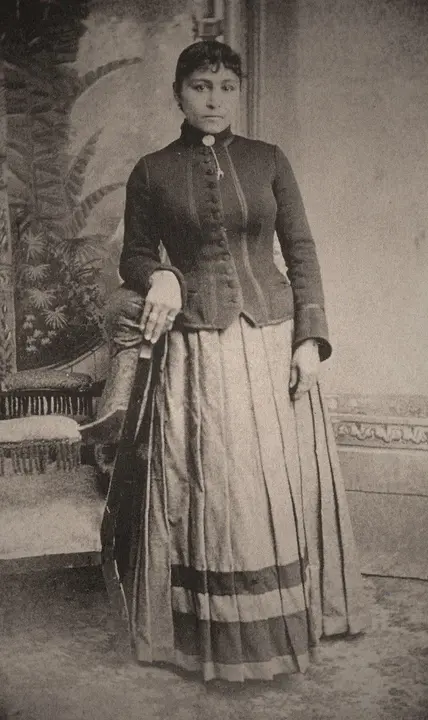
Amanda America Dickson, born to a 13-year-old enslaved girl and her 40-year-old slave master. She would become one of the wealthiest women in Georgia after her father left her his entire estate at his death.
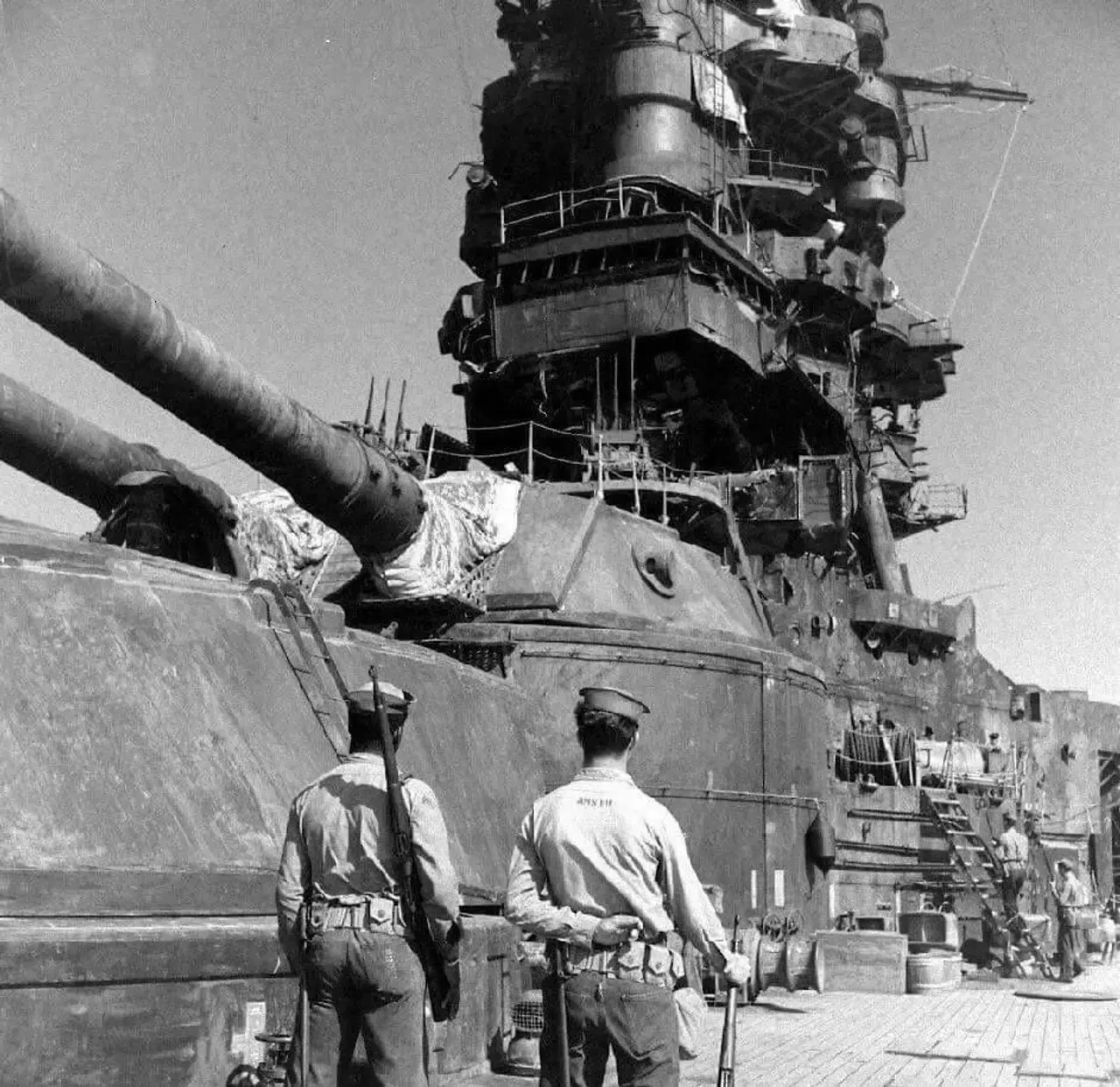
U.S. Navy sailors standing next to the surrendered Imperial Japanese Navy battleship Nagato at Yokosuka Naval Base, c. August 30th – September 1945.
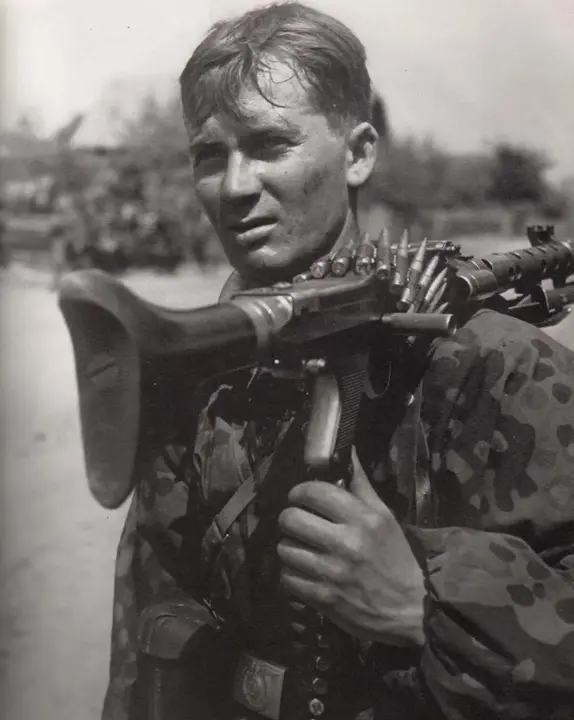
German soldier from the Waffen SS, carrying an MG 34 machine gun: during the Normandy campaign, c. June – August 1944.
Colossus, the worlds first programmable electronic computer, at Bletchley Park, 1943. After the war the Bank of England refused Tommy Flowers a loan to build another as it didn’t believe it could work. Official secrecy stopped him saying he already had.

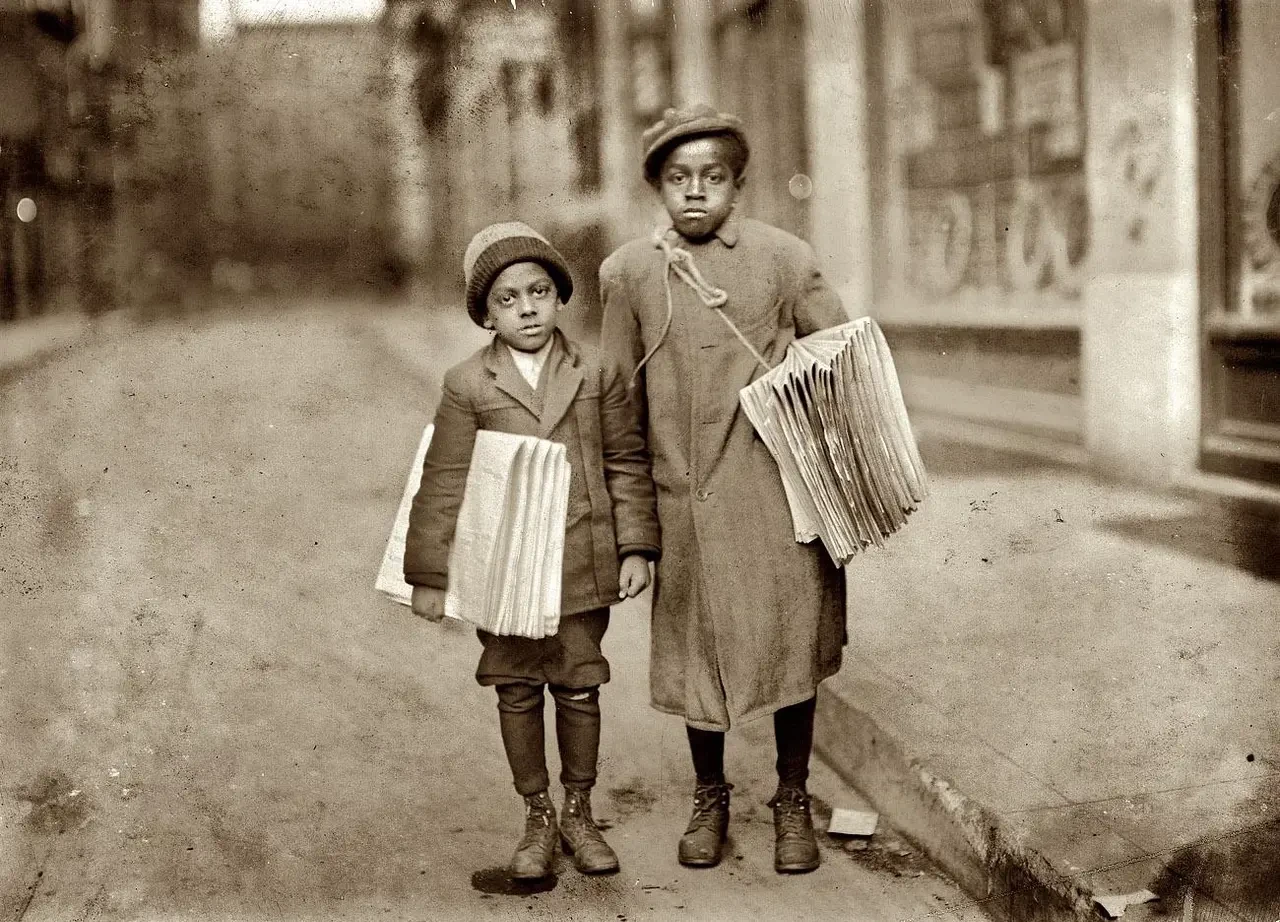
Newsies from Newark, New Jersey, December of 1913
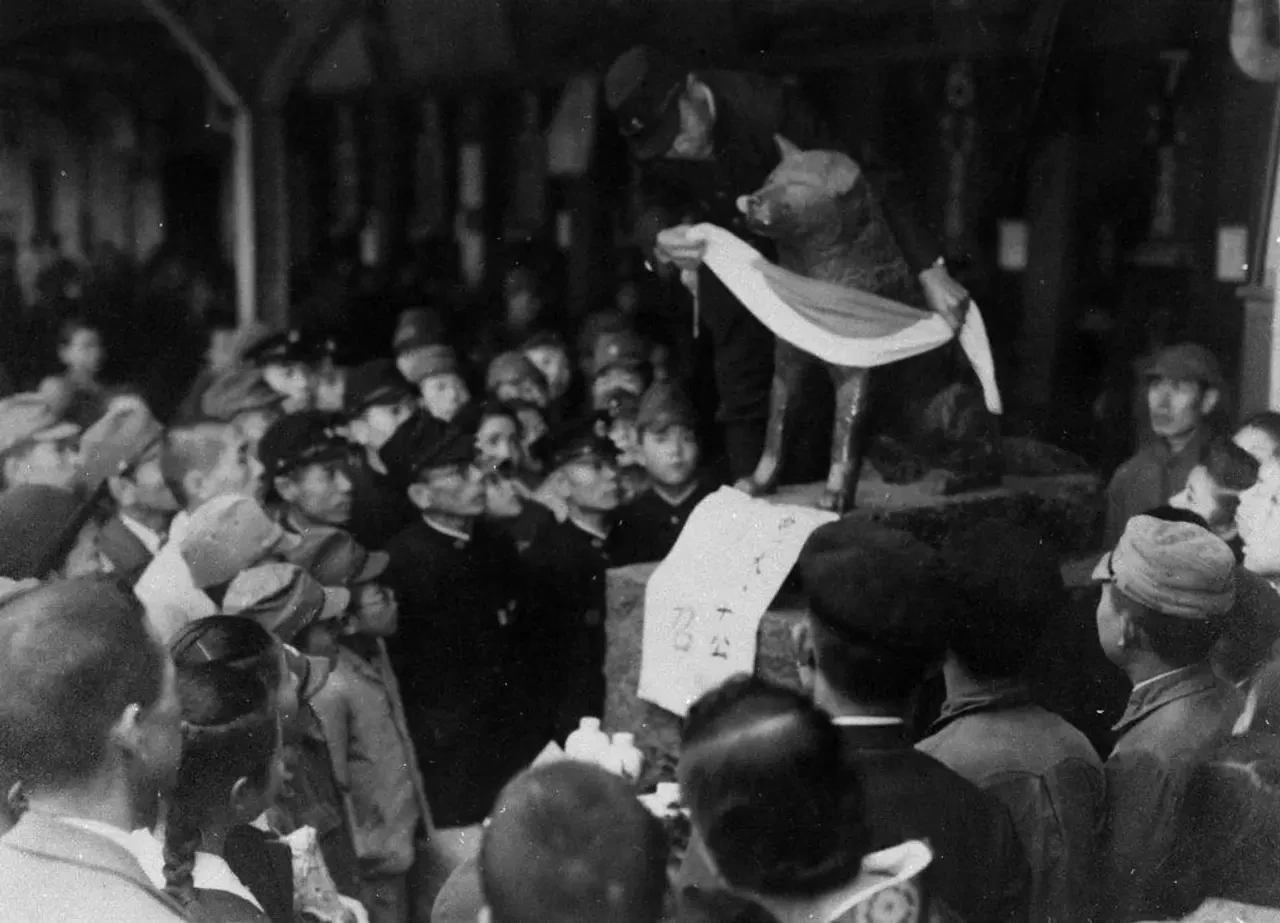
The original Hachikō statue, set to be removed under wartime metal requisition, during a farewell ceremony on October 12, 1944, as a Japanese flag was being draped over it
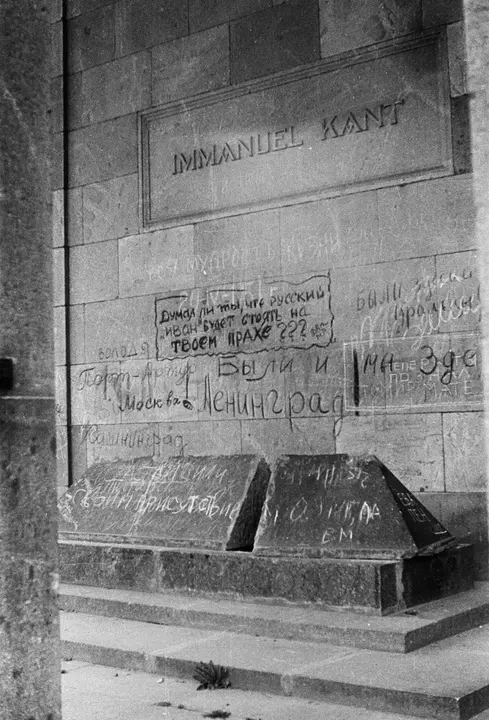
The grave of the philosopher Immanuel Kant in Königsberg(now Kaliningrad), covered in graffiti left by Soviet soldiers in 1945.
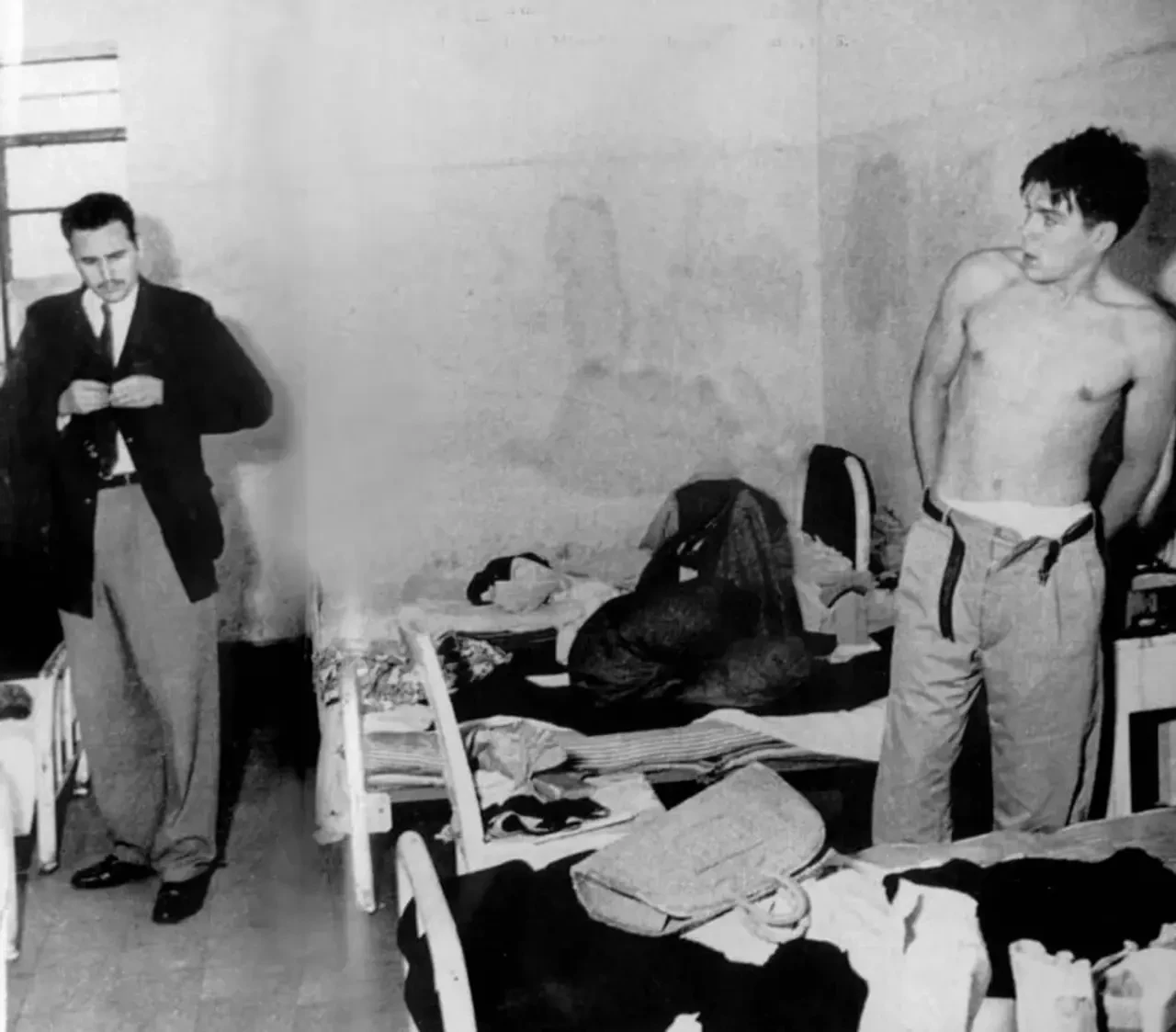
Fidel Castro and Che Guevara in a Mexico city jail, 1956
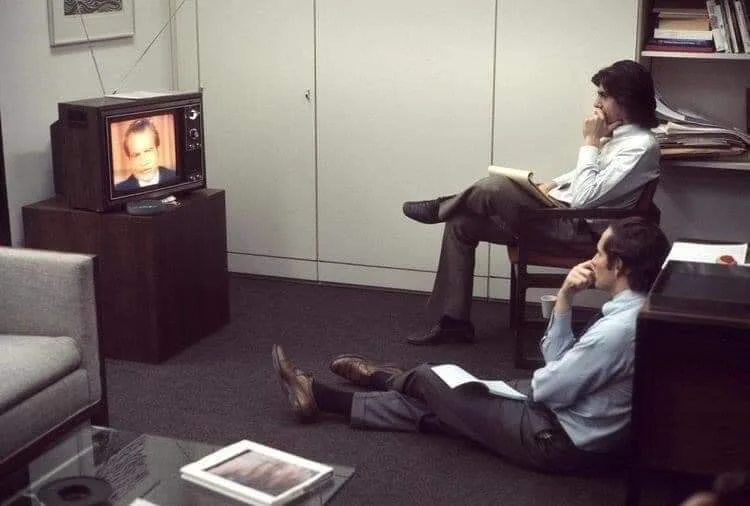
Reporters who Exposed the Watergate Scandal watch President Nixon resign, 1974
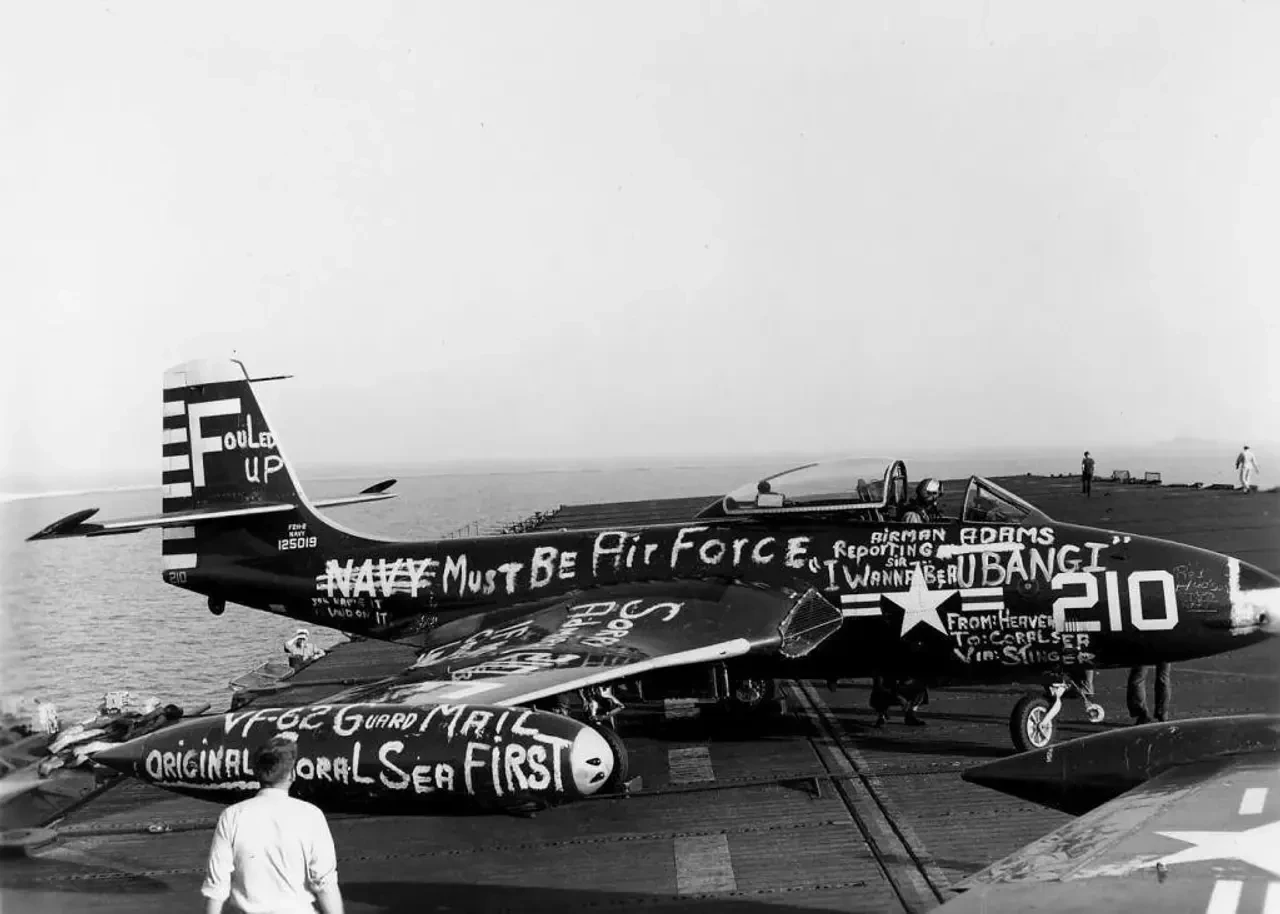
Traditional friendly bit of razzing for a pilot who lands on the wrong aircraft carrier
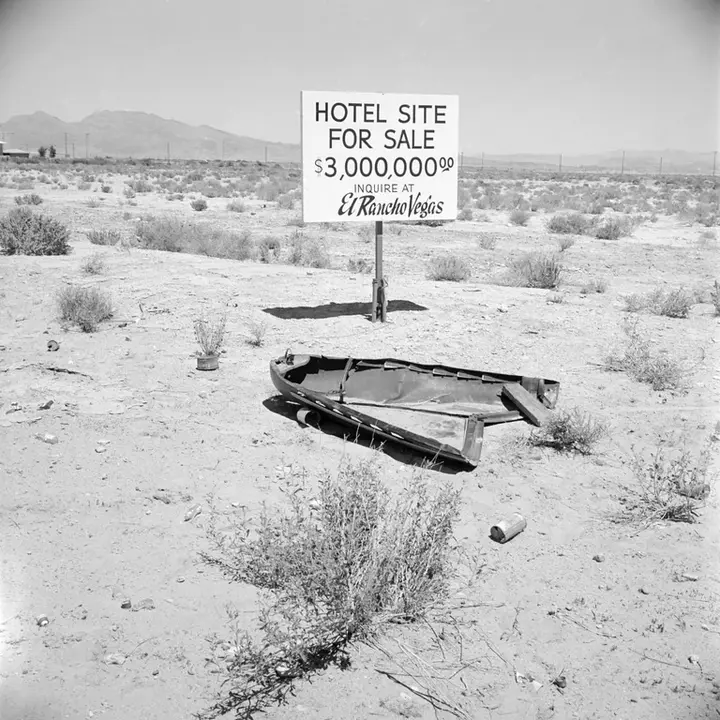
What is now the fully developed Las Vegas strip, 1955.
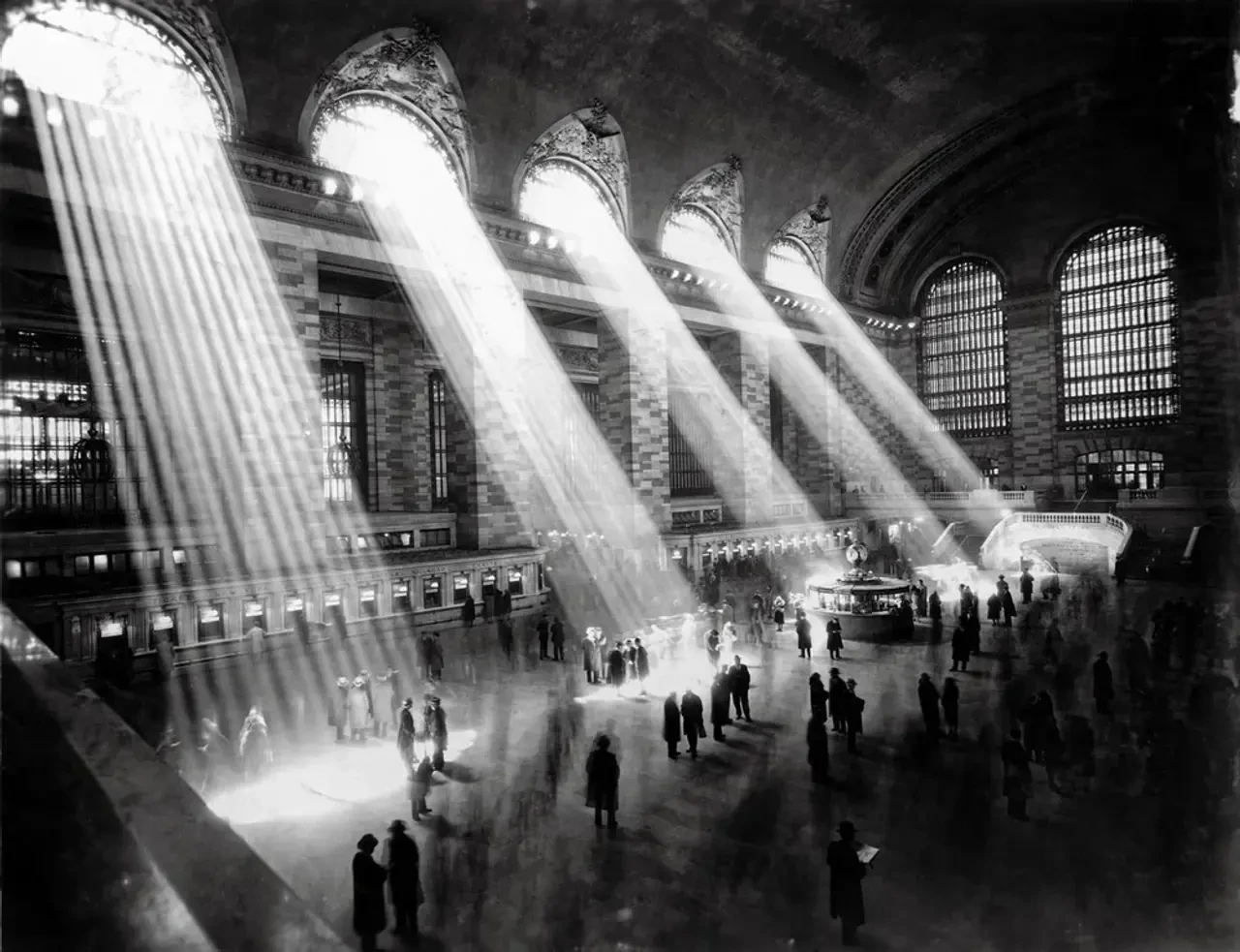
It’s no longer possible to see this, as buildings outside block the sun. Grand Central, NYC, 1929.
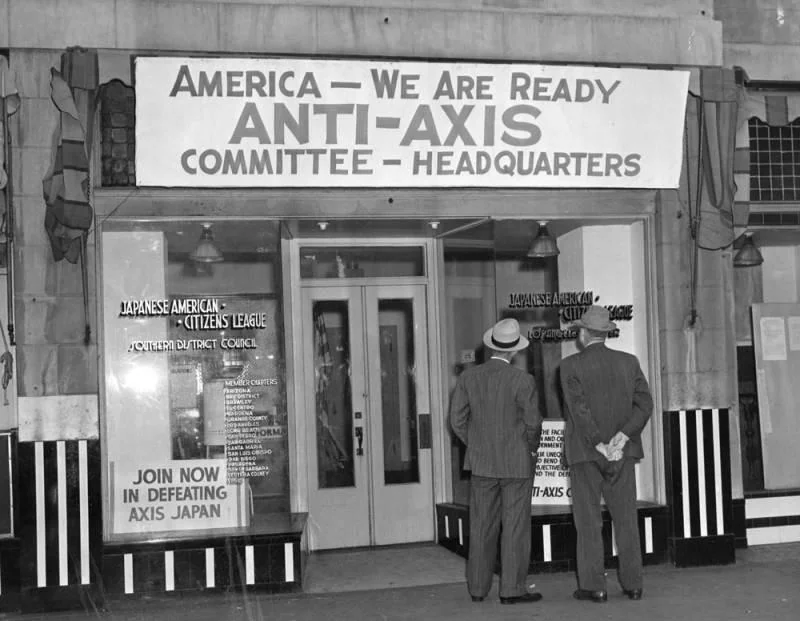
In response to the Anti-Japanese sentiment that followed the attack on Pearl Harbor, the Japanese-American Citizens League opened the Anti-Axis Committee Office on December 14, 1941. It was part of their campaign to demonstrate the loyalty of American-born Japanese citizens to the US.
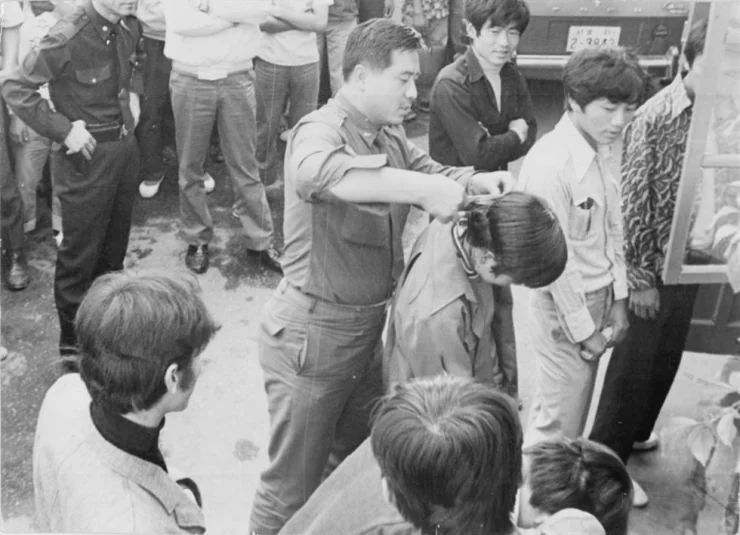
A South Korean soldier forcibly cuts a young man’s hair in front of others during a nationwide crackdown on men with long hair and women wearing short skirts in South Korea – 1970s
During the 1970s, South Korea’s authoritarian government under President Park Chung-hee enforced strict standards of public appearance, viewing long hair on men and short skirts on women as signs of Western influence, moral decline, and rebellion against traditional values. Police routinely stopped young people in public, forcibly cutting men’s hair and measuring women’s skirts, reflecting the government’s broader efforts to control personal freedoms and suppress youthful counterculture.