If you grew up watching sitcoms, you probably have a weird, inexplicable ability to recall the theme song to Family Matters with more accuracy than your own Social Security number. You can picture the geometry of Monica’s apartment better than the layout of your first real job. But there’s something that doesn’t quite fit the laugh track—those moments when the show stops being about who ate the last slice of pizza and starts asking what it actually means to be alive, or at least alive within 23 minutes and a couple of ad breaks.
The thing is, sitcoms aren’t supposed to get real. They’re built to be comfort food, not existential stew. Yet, every so often, the writers get bored or bold—or maybe the actors decide they’re tired of pratfalls and want to win an Emmy. Suddenly, a show that’s usually about wacky misunderstandings gets hijacked by death, addiction, heartbreak, or something else profoundly unfunny. And if you’re like me, those are the episodes you never really forget. Not because they made you laugh, but because—for one awkward, beautiful moment—they stopped trying.
Here are 11 times sitcoms dropped the mask and got serious, whether we were ready or not.
1. Full House – Silence Is Not Golden
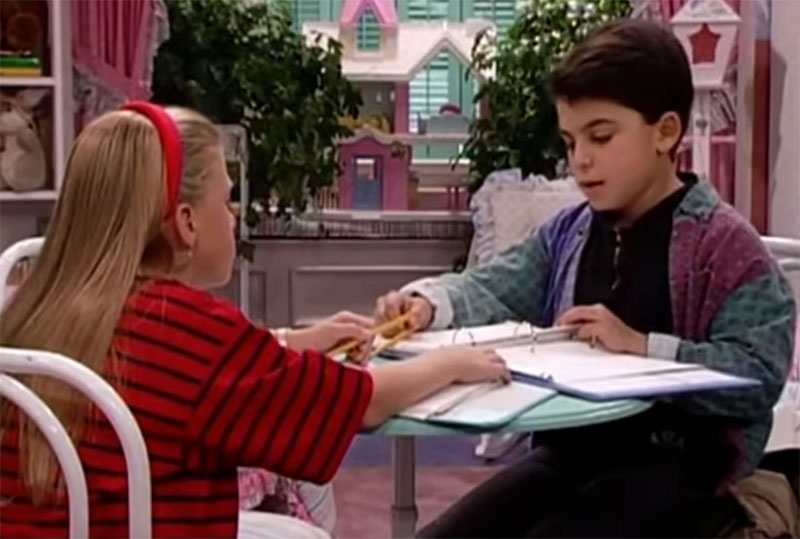
Full House usually operates in a world where the worst thing that can happen is someone breaking Danny’s weirdly intense cleaning rules. But “Silence Is Not Golden” breaks that bubble. In this episode, Stephanie learns her classmate Charles is being physically abused by his dad, and suddenly we’re not in sitcom land anymore.
The entire vibe shifts. Instead of punchlines about Uncle Joey’s bad impressions, you get a knot in your stomach watching Stephanie try to hold onto a secret that’s eating her alive. For a lot of kids, this was probably the first time a TV show put the idea of child abuse on the table—awkward, unscripted, and impossible to ignore. Jodie Sweetin plays it clumsy and anxious, which is exactly how a kid would act when the lines between right and wrong aren’t so clear.
When Stephanie finally confesses, the show doesn’t reach for a feel-good solution. There’s no magic fix, no hugging it out by the end credits. The message is blunt: sometimes, doing the right thing means doing something that hurts in the moment. It lands harder because it’s not what you expect—no laugh track, no tidy wrap-up, just the uncomfortable sense that some problems don’t vanish overnight.
2. How I Met Your Mother – Bad News
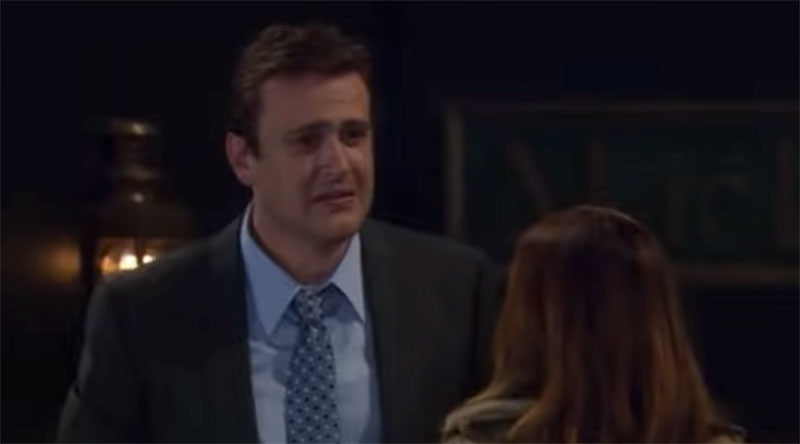
Sitcoms, almost by definition, are allergic to the sudden, irreversible gut punch. But “Bad News” is the episode where How I Met Your Mother not only pulls the rug out, it tosses the rug in a dumpster and sets it on fire. The episode is built like a trick—there’s a countdown hidden in the background, numbers popping up on newspapers and beer taps, as if you’re heading for a goofy twist. Instead, it’s a warning no one picks up on until it’s too late.
For most of the episode, Marshall and Lily are dealing with the anxiety of infertility—serious, but still mostly in the comfort zone of sitcom problems. But then Marshall rushes to tell his dad the good news, and suddenly, time just stops. Lily shows up at the bar, and in the most un-sitcom line ever, says, “Marshall, your dad’s dead.” No music. No punchline. Just shock. For a show that’s so obsessed with fate and destiny and elaborate romantic timing, there’s no lesson here, no storybook payoff—just the random, unfair chaos of real life.
It’s one of those TV moments that feels like a cold slap, not just because you care about the characters, but because it makes you realize how close grief is, hiding behind the ordinary. The joke is that you’re never really ready for the bad news, no matter how many times you count down. And sitcom or not, you never forget the punch you didn’t see coming.
3. The Fresh Prince of Bel-Air – Papa’s Got a Brand New Excuse

Will’s father, Lou, shows up after years of being gone, suddenly ready to make up for lost time. He charms everyone, talks about road trips, and promises Will a fresh start. At first, Will tries to stay skeptical—he’s older now, not that little kid who waited by the door. But you can see the hope building with every scene, every plan Lou makes. He wants to believe in his dad so badly it almost hurts to watch.
Then, at the very last minute, Lou bails. Again. He leaves Will standing in the living room with nothing but another empty promise and a duffel bag. What happens next is the most unforgettable two minutes in sitcom history. Will goes from denial to heartbreak to full-on rage, all in front of Uncle Phil. He shoves away the idea that he even needs his dad. He lists all the things he’s done without him—graduations, birthdays, learning to drive. He says he’ll get through life just fine, but his voice breaks anyway.
And then that line: “How come he don’t want me, man?” You can feel the weight of every missed moment, every time Will tried to pretend it didn’t matter. Uncle Phil pulls him into a hug and Will just collapses. There’s no neat resolution, no punchline to lighten the mood. Just a raw, honest breakdown that left millions of viewers speechless.
People remember that scene not just because Will Smith was brilliant, but because it put words to a kind of pain a lot of people carry around, even if they never talk about it. It’s the one episode that never gets old, because that feeling—wanting to be wanted—is as real as it gets.
4. Family Matters – Good Cop Bad Cop
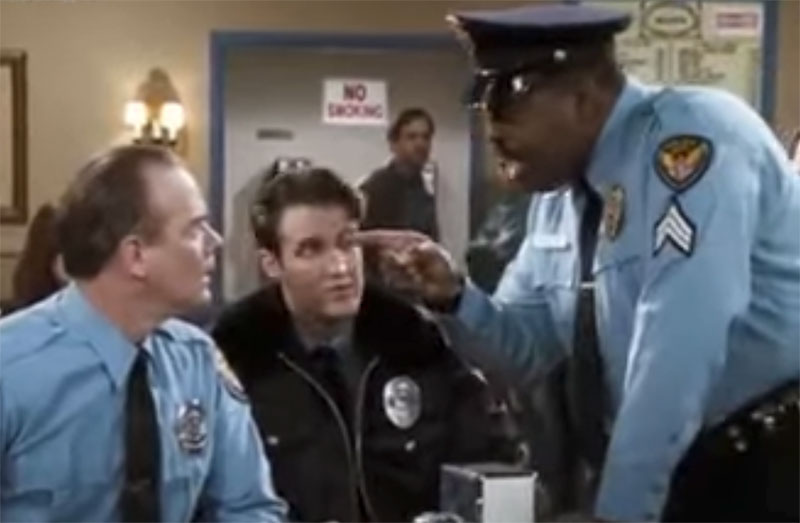
Eddie Winslow heads out for a drive and gets pulled over for what he thinks is a routine traffic stop. It isn’t. The cops treat him with instant suspicion, then flat-out hostility, all because he’s a Black teenager in a nice car. Eddie tries to explain, to deescalate, to do everything right—but it doesn’t matter. By the time he’s back home, he’s shaken, humiliated, and angry in a way that can’t be fixed by a pep talk from Steve Urkel.
When his dad Carl—himself a police officer—finds out, the episode stops pretending. Eddie’s experience forces Carl to confront the reality that even a badge and a lifetime of good intentions don’t protect his own family from racism. The tension at the dinner table isn’t just TV drama; it’s generational, personal, and raw. Carl wants to believe the system is fair because he’s a part of it. Eddie knows better. They argue, voices rising, both of them right in their own ways and both of them hurting.
The resolution doesn’t come with a quick fix or a sentimental speech. Instead, Carl visits the station, confronts his colleagues, and—just for a moment—lets himself see the world through his son’s eyes. For a show built on slapstick and sitcom tropes, this episode is a gut-check: real, uncomfortable, and as relevant now as it was then. If you remember one “serious” moment from Family Matters, it’s probably this one—because the pain and the truth cut right through the reruns.
5. M*A*S*H* – “Abyssinia, Henry”
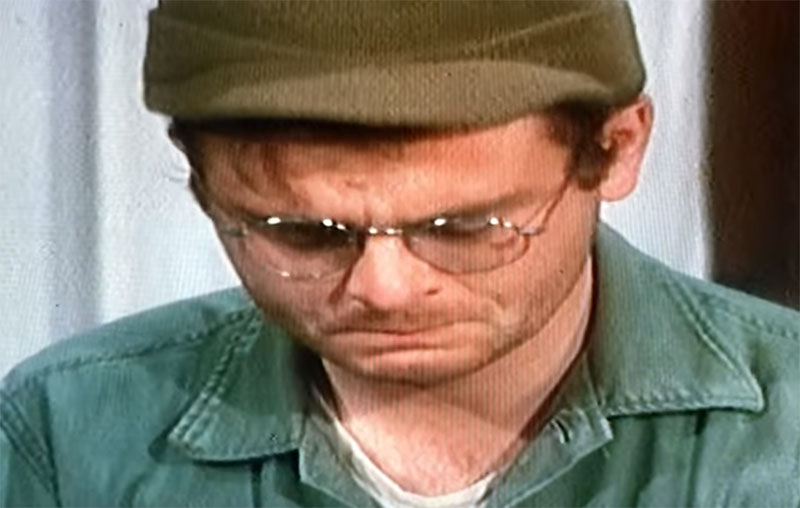
Everyone at the 4077th knows the war is hell, but “Abyssinia, Henry” is the episode where that truth stops being abstract. After months of hoping for a ticket home, Lieutenant Colonel Henry Blake finally gets his orders for discharge. There’s joy, hugs, even a goodbye party—people hugging Henry like he’s some kind of good luck charm who finally gets to escape the nightmare. For the first time in forever, it looks like a happy ending is possible.
And then, just as you’re letting your guard down, Radar walks into the OR, still in shock, and delivers the news: Henry’s plane was shot down over the Sea of Japan. There were no survivors. No warning, no music cue, no soft landing. Just a raw, spoken sentence that hangs in the air while everyone keeps operating on wounded soldiers, because the world doesn’t pause for heartbreak—not even on TV.
There’s no space for tears, no moral, no sense that things will get better. Henry Blake is just gone, and the show never tries to make it okay. For anyone watching in 1975 (or in syndication decades later), it was the first time a sitcom really refused to protect its audience from loss. It’s unforgettable precisely because it doesn’t blink. It lets you feel the weight of war, and for once, nobody is safe—not even your favorite character.
6. Scrubs – My Old Lady
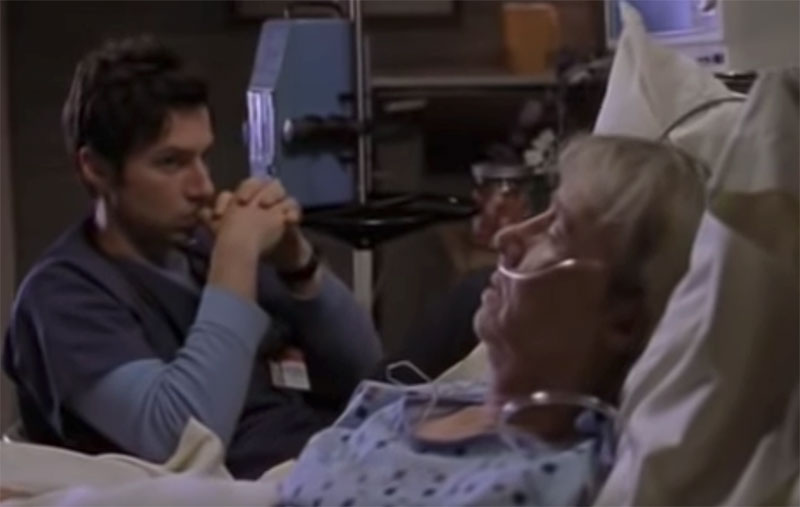
On most days at Sacred Heart, the chaos is funny—people falling off gurneys, doctors delivering one-liners instead of diagnoses. But “My Old Lady” is the episode where Scrubs looks you in the eye and admits that sometimes, there’s no punchline. J.D., Turk, and Elliot each get assigned a patient. And all three patients die.
It isn’t about medical heroics or some miraculous save at the last second. The episode’s old lady, Mrs. Tanner, knows she’s at the end and wants to go out on her own terms. J.D. learns, the hard way, that sometimes compassion means letting go instead of fighting for another day. Elliot loses her patient despite doing everything right. Turk can’t convince his patient to accept the surgery that might have saved him. For once, the hospital is quiet.
By the end, the characters realize that death is just part of the job—something no amount of sarcasm or bravado can erase. The laughter stops, the camera lingers, and you’re left with the unmistakable ache of real loss. “My Old Lady” is the moment when Scrubs stops pretending, and reminds you that even the funniest people can’t always save the day.
7. The Simpsons – Mother Simpson
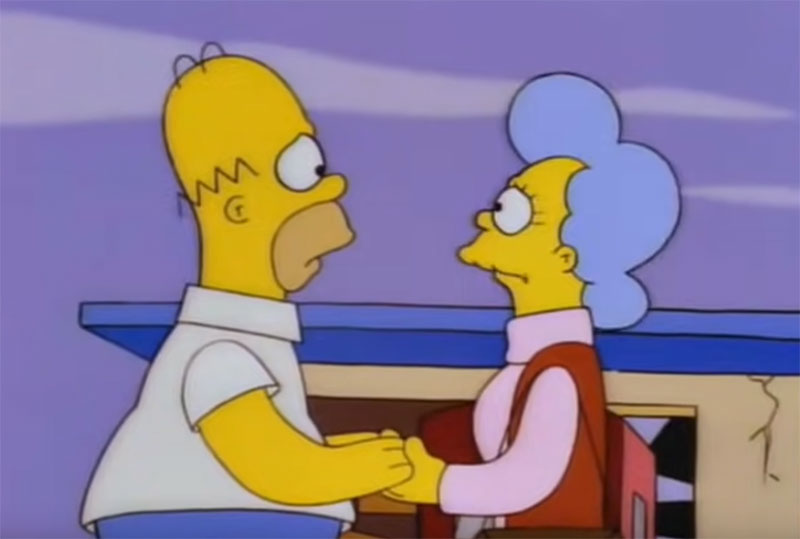
For years, Homer Simpson’s mom was just a blank space—missing, presumed dead, rarely mentioned. Then “Mother Simpson” happens, and suddenly Homer’s not just a punchline machine. When his mother, Mona, returns after decades on the run, it’s awkward, funny, and unexpectedly tender. Homer is instantly reduced to a big kid—hungry for stories, affection, and some sense of why she left in the first place.
Mona’s life as a radical activist comes out in bits and pieces, but the real heart of the episode is just seeing Homer with a mother who actually listens to him. They spend one day together—gardening, sharing stories, reconnecting in a way that feels real beneath the cartoon absurdity. And then, just as quickly as she arrives, she has to leave again, chased off by Mr. Burns and the consequences of her past.
The ending doesn’t try to fix anything. Homer sits on his car under the stars, silent, just staring at the sky, his feet dangling off the hood. There’s no joke, no clever callback—just a quiet ache that lands harder than any punchline ever could. For once, “The Simpsons” lets the emotion sit, and you realize that even in Springfield, not every family story gets a happy ending.
8. Futurama – Jurassic Bark

“Jurassic Bark” is the episode where Futurama ditches the sarcasm and sucker punches you straight in the heart. Fry discovers the fossilized remains of his dog, Seymour, from the 20th century. Most of the episode is played for laughs: Fry’s determination to clone Seymour, Bender’s jealousy, a handful of typical sci-fi shenanigans. But underneath all of that is a slow-building sense of loss that creeps up on you.
In the end, Fry decides not to clone Seymour, convinced the dog moved on and lived a long, happy life without him. Cue the montage. And then it hits: you see Seymour waiting for Fry, day after day, season after season, growing older and weaker as the world passes him by. He never leaves the spot where Fry left him. The city changes, the people change, but Seymour waits. The jokes stop, the music fades, and it’s just a silent, crushing lesson in loyalty, loss, and the kind of heartbreak that never gets a tidy resolution.
If you didn’t cry the first time you watched this, you’re probably a robot. Even Bender would agree: sometimes, a cartoon about the future knows exactly how to break your heart.
9. BoJack Horseman – Free Churro

“Free Churro” isn’t just a serious moment; it’s practically a master class in emotional ambush. The entire episode is BoJack delivering a eulogy for his mother, alone at a podium, talking (and talking) through a lifetime of pain, resentment, confusion, and hope for some scrap of closure. There are no cutaways, no distractions, just BoJack—cracking jokes, lashing out, unraveling in real time as he tries to make sense of a woman who never once made him feel loved.
What makes it unforgettable is how the episode weaponizes the silence. There’s no audience laughter, just BoJack’s voice ping-ponging between bitterness, desperation, and deadpan absurdity. He tries to land punchlines, tries to turn pain into comedy, but the grief always seeps through. It’s funny, then devastating, then funny again, all in a way that’s painfully human.
By the end, when BoJack finally admits he doesn’t know what to feel, and the funeral home reveals he’s been speaking to a room full of strangers, it’s both a punchline and a gut punch. “Free Churro” proves that sometimes, the most honest thing you can do is just stand there and say exactly how lost you are. And sometimes, that’s all there is.
10. Diff’rent Strokes – The Bicycle Man
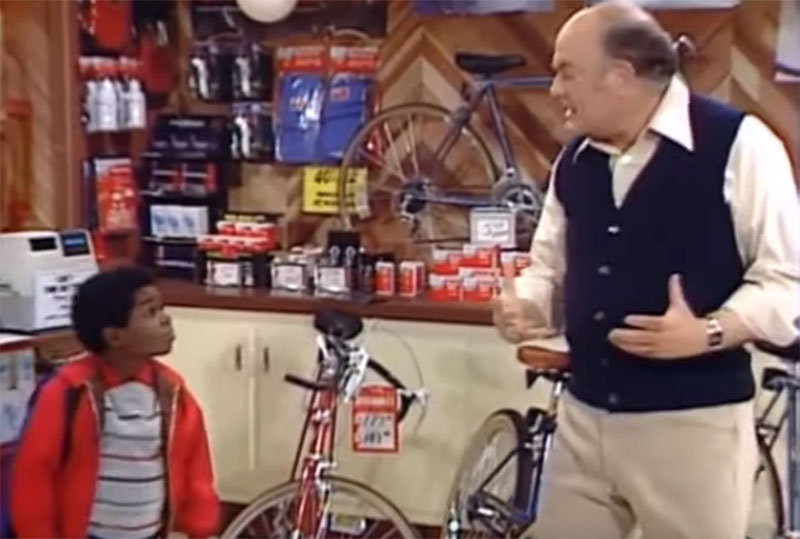
For a show that built its reputation on catchphrases and mismatched siblings, “The Bicycle Man” is a two-part punch of reality that no one saw coming. Arnold and Dudley befriend Mr. Horton, the friendly local bike shop owner, who seems like just another eccentric grownup—until he isn’t. Slowly, the episode reveals his true intentions: grooming the boys with gifts, cartoons, and “special” photos, drawing them into an uncomfortable and dangerous situation.
There’s no laugh track cushioning the tension. The jokes dry up fast as the plot turns stark and unflinching about the reality of child predators. The episode doesn’t tiptoe around the subject, and it doesn’t wrap things up neatly—just a raw, matter-of-fact confrontation with a threat that felt impossibly adult to the kids watching. The aftermath is messy, full of confusion and fear, and the message is crystal clear: not every danger comes with a warning sign.
It’s an episode burned into the memory of anyone who saw it—awkward, necessary, and decades ahead of its time in forcing a conversation that most shows still won’t touch. If sitcoms are supposed to be safe havens, “The Bicycle Man” is the exception that proves the rule.
11. The Good Place – Whenever You’re Ready

“Whenever You’re Ready” is the rare sitcom finale that lands with quiet honesty instead of manufactured sentiment. It’s the end of everything—literally—as each character in the afterlife faces the moment they’re finally ready to move on. There are no sudden twists or wild jokes, just slow, thoughtful goodbyes. Eleanor lets go of Chidi, Jason surprises everyone by reaching peace first, and even Janet—an eternal being—feels the weight of endings.
The emotion sneaks up on you. Each farewell is gentle but raw, the characters quietly choosing fulfillment over infinity. There’s no reset, no “see you next week.” Instead, you get bittersweet acceptance: a reminder that even in paradise, the best things don’t last forever, and that’s what gives them meaning. When Eleanor finally steps through the door, dissolving into the universe, the show gives you a moment to sit with the ache and gratitude. It’s a sitcom about death, but the final lesson is pure life—letting go, moving on, and trusting that, somehow, love ripples on after you’re gone.