When people talk about The Twilight Zone, the same handful of episodes always come up. Time Enough at Last. Eye of the Beholder. Nightmare at 20,000 Feet. And sure, those episodes are stone-cold classics. They’ve earned their place in TV history.
But Rod Serling’s anthology was much bigger than the usual greatest-hits list. Across five seasons and 156 episodes, there were strange little experiments, heartbreaking character studies, and brilliant scripts that got buried under the weight of the more famous ones. These are the overlooked gems—episodes that might not top a “best of” list, but absolutely deserve your attention.
Here are 10 Twilight Zone episodes fans overlook—but shouldn’t.
1. The Hunt (Season 3, Episode 19)
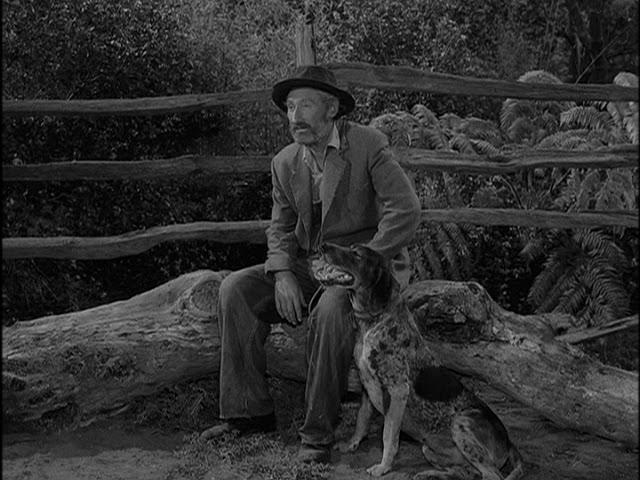
This episode feels like a folktale dropped into The Twilight Zone. Hyder Simpson, a country farmer, dies while hunting with his dog Rip. On their way to the afterlife, they’re offered entry through a gate—but Rip isn’t welcome. Hyder refuses to leave his dog behind, and that stubborn loyalty ends up saving him.
It’s a simple story, but it cuts deep. Anyone who has loved a dog will feel this one in their bones. It’s not flashy, it doesn’t have a shock twist—but it lingers. The Hunt is pure, heartfelt storytelling, and that’s why it deserves more love.
2. Miniature (Season 4, Episode 8)
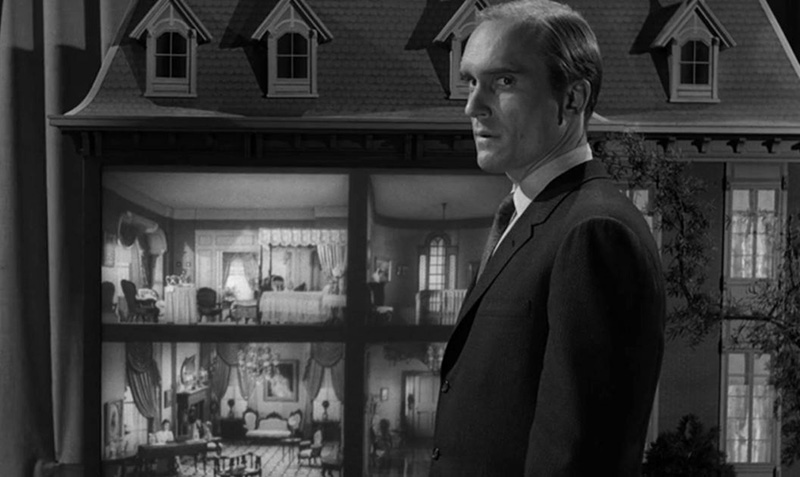
Robert Duvall stars as Charley Parkes, a painfully shy man who feels out of place in the real world. He discovers a dollhouse in a museum exhibit, and inside it, a living, breathing miniature woman. Charley retreats into this fantasy world, falling in love with the dollhouse figure.
On paper, it sounds ridiculous. But the episode is haunting and strangely tender. Duvall gives one of the best performances in the entire series—quiet, wounded, and desperately human. Miniature was rarely rerun because of rights issues, which helped it fade from memory, but it’s one of the most emotionally powerful episodes Rod Serling ever produced.
3. The Trade-Ins (Season 3, Episode 31)
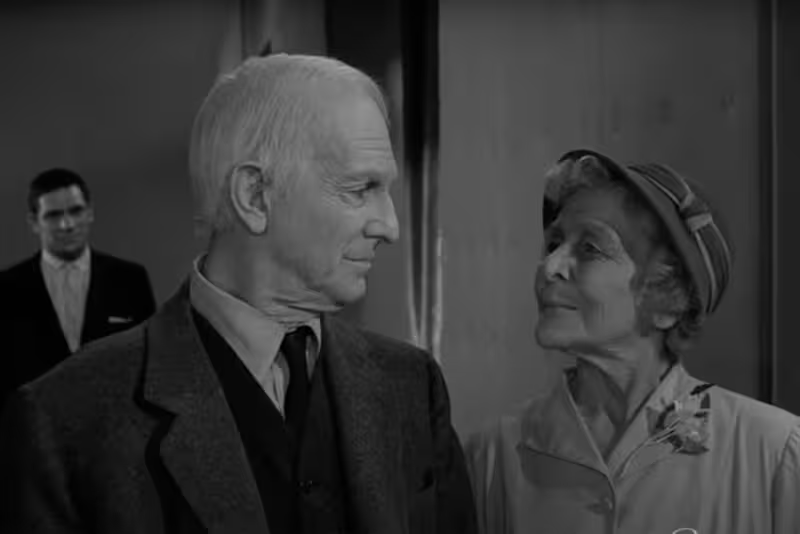
A future society offers the elderly a chance to buy new, youthful bodies. An old couple, worn down by age, can only afford one procedure. The husband wants to give it to his wife. She wants to give it to him.
It’s a quiet episode, but it wrestles with aging, mortality, and love in ways that feel painfully relevant even now. Instead of focusing on technology, it focuses on human connection. What would you do if you could live forever, but the person you love couldn’t come with you? That’s a question The Twilight Zone was uniquely suited to ask.
4. The Silence (Season 2, Episode 25)
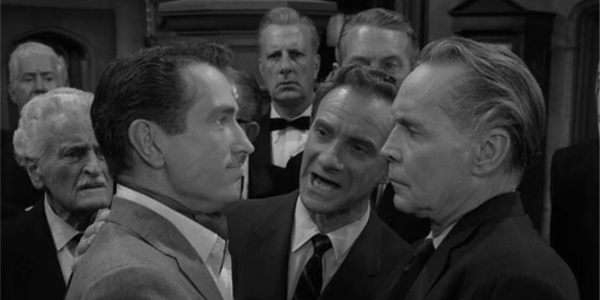
This one rarely makes it into highlight reels, but it’s a masterpiece of tension. A wealthy man bets a chatterbox aristocrat that he can’t remain silent for a full year. If he succeeds, he wins half a million dollars.
The episode plays out like a psychological chess match. No aliens, no monsters—just pride, money, and human stubbornness. And of course, Serling drops a devastating twist at the end. If you like your Twilight Zone with more Hitchcock than sci-fi, The Silence deserves your time.
5. Person or Persons Unknown (Season 3, Episode 27)
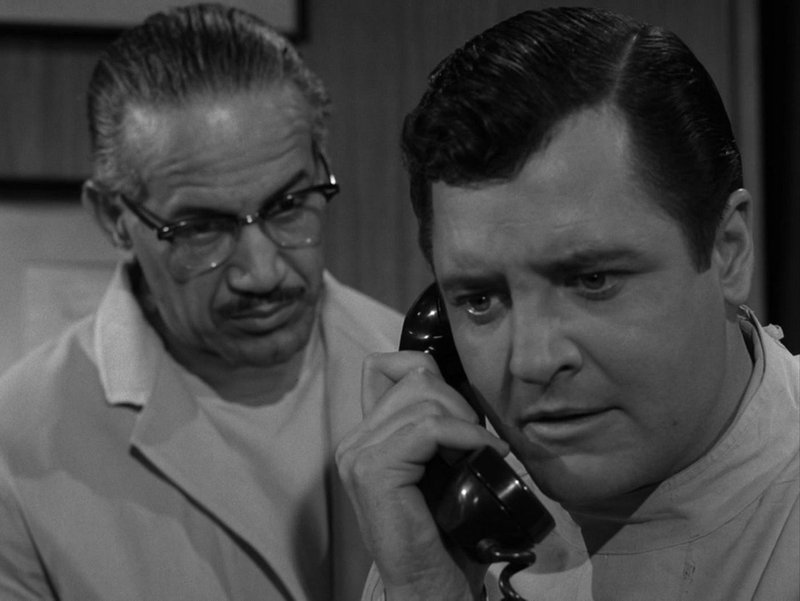
Imagine waking up one morning, and nobody knows who you are. Your friends, your co-workers, even your wife—all act like you never existed. That’s the nightmare at the heart of Person or Persons Unknown.
It’s not flashy, but it’s suffocatingly creepy. The paranoia builds with every scene, and it’s one of those rare Twilight Zone episodes that feels like it could happen to you.
6. The Jeopardy Room (Season 5, Episode 29)
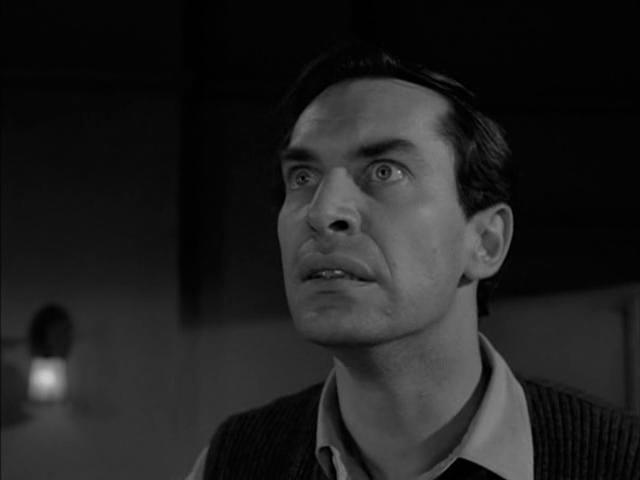
Not many people remember this late-series entry, but it’s essentially a Cold War spy thriller wrapped in a Twilight Zone bow. Martin Landau plays a defector trapped in a room with a deadly game: two glasses of wine, one poisoned.
This is Serling experimenting with genre again—there are no supernatural elements, just tension and paranoia. It’s a reminder that The Twilight Zone wasn’t just about aliens or morality plays; sometimes it was about testing the limits of human nerve.
7. Nothing in the Dark (Season 3, Episode 16)
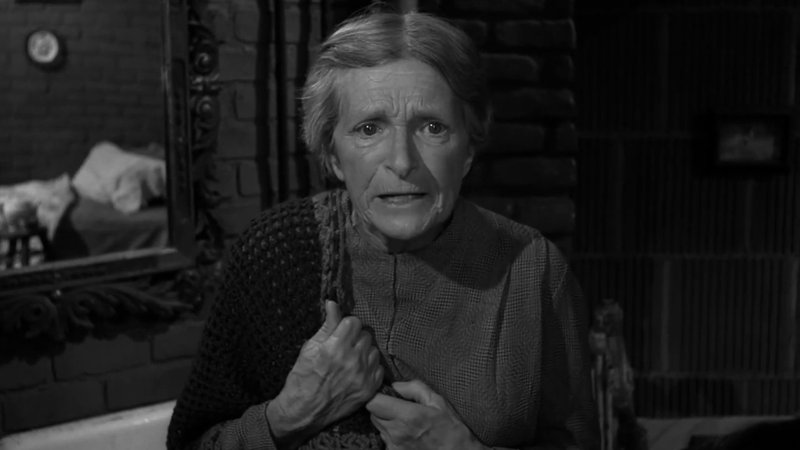
An old woman barricades herself in a crumbling building, terrified of “Mr. Death.” When a young wounded policeman (played by a very young Robert Redford) shows up, she has to decide whether to let him in.
This is one of the most tender, poetic episodes of the series. Instead of making death frightening, it makes it gentle, almost merciful. It’s not as iconic as Eye of the Beholder or To Serve Man, but it’s every bit as powerful.
8. The Last Flight (Season 1, Episode 18)
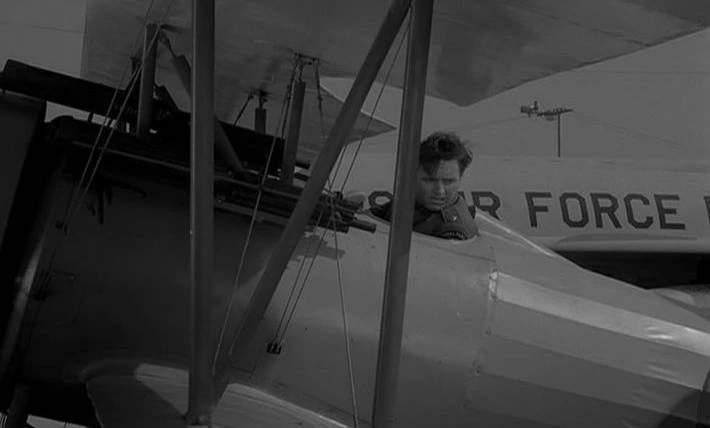
A World War I pilot lands his plane on a modern U.S. airbase. He’s confused, out of time, and forced to confront the fact that he ran from a dogfight decades earlier.
It’s one of the earliest episodes that nailed what the show could be: a mix of war story, time travel, and moral reckoning. For fans of historical what-ifs, The Last Flight is a perfect example of how Serling’s writers used genre as a way to test human character.
9. The Sixteen-Millimeter Shrine (Season 1, Episode 4)
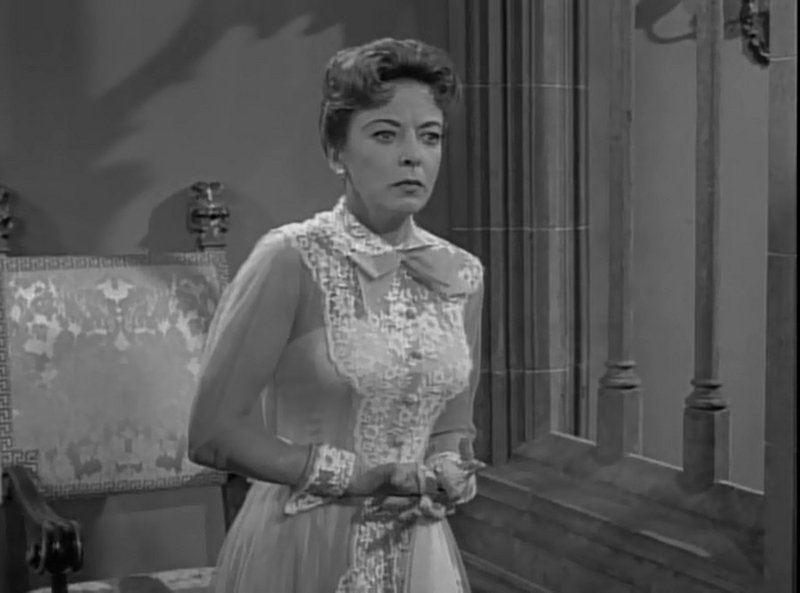
Ida Lupino stars as an aging film star who spends her life rewatching her old movies. She longs so deeply for the past that she literally disappears into the silver screen.
The episode doesn’t get much attention, but it’s one of the most haunting meditations on nostalgia you’ll ever see. For anyone who’s looked back on their youth with longing—or lost themselves in old photos and memories—this episode cuts close to home.
10. Stopover in a Quiet Town (Season 5, Episode 30)
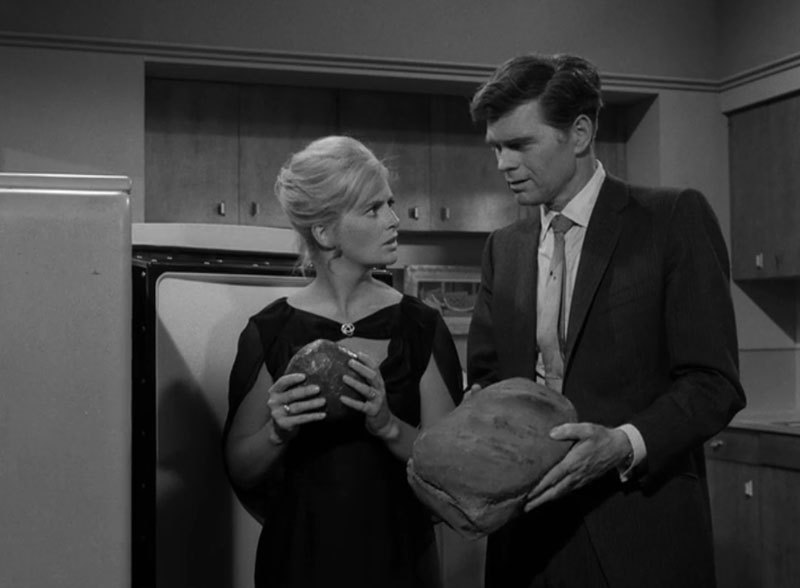
A couple wakes up in a deserted town where nothing feels real—the food is fake, the animals are stuffed, the whole place is eerily artificial.
It’s a surreal, unsettling little story that feels like a forerunner to modern sci-fi horror. By the end, it delivers a twist that’s both terrifying and darkly funny. If you’re only familiar with the “big” episodes, this one shows just how weird and experimental The Twilight Zone could get.
11. An Occurrence at Owl Creek Bridge (Season 5, Episode 22)
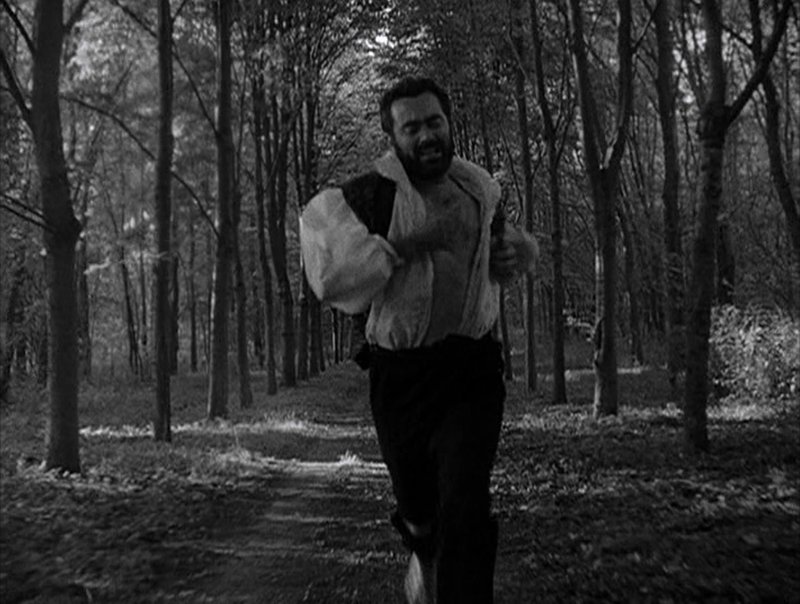
This episode stands apart from the rest of the series. Instead of being produced in Hollywood, it’s actually a French short film directed by Robert Enrico that Rod Serling purchased for broadcast. Adapted from Ambrose Bierce’s 1890 short story, it follows Peyton Farquhar, a Confederate sympathizer captured by Union soldiers during the Civil War and sentenced to be hanged from a railroad bridge.
As the rope is tightened around his neck, the trapdoor falls—and suddenly, the rope breaks. Farquhar plunges into the river below, escaping into a frantic, dreamlike flight through the forest. He scrambles past soldiers, dodges gunfire, and races toward home. The pace is strange and hypnotic, almost too vivid, with long stretches of silence and slow-motion camera work. Finally, exhausted but overjoyed, he reaches his wife and is about to embrace her—when the screen snaps back to reality. Farquhar never escaped. The entire sequence took place in the final seconds of his life as he dangled from the noose.
Stylistically, the episode is unlike anything else in The Twilight Zone. It uses almost no dialogue, leaning instead on stark visuals, natural sounds, and a surreal, dreamlike atmosphere. It feels more like European art cinema than American television of the early 1960s, which is exactly why it stands out. Serling introduced it with pride, noting that the short film had already won the Grand Prize at the Cannes Film Festival and an Academy Award for Best Live Action Short Film before he licensed it for broadcast. It also allowed the show to save on production costs during its final season while still delivering something unforgettable.
For many viewers, An Occurrence at Owl Creek Bridge is the most unusual—and haunting—half hour in the entire series. It’s not just a twist ending; it’s a meditation on death, illusion, and the fragile line between reality and imagination. Even if you’ve seen dozens of Twilight Zone episodes, this one will feel like nothing else in the series.
Why These Episodes Matter
The beauty of The Twilight Zone is that it wasn’t just a “twist ending” show. It was a playground for exploring loneliness, fear, morality, and hope. Episodes like Miniature and Nothing in the Dark don’t just scare you—they stay with you. They ask questions about love, death, and meaning that are as relevant now as they were in the 1960s.
If you only know The Twilight Zone through its greatest hits, you’re missing half the magic. Dig deeper. Find the overlooked episodes. That’s where some of Rod Serling’s most daring storytelling lives.