
Making friends as an adult feels impossible, here’s what actually works
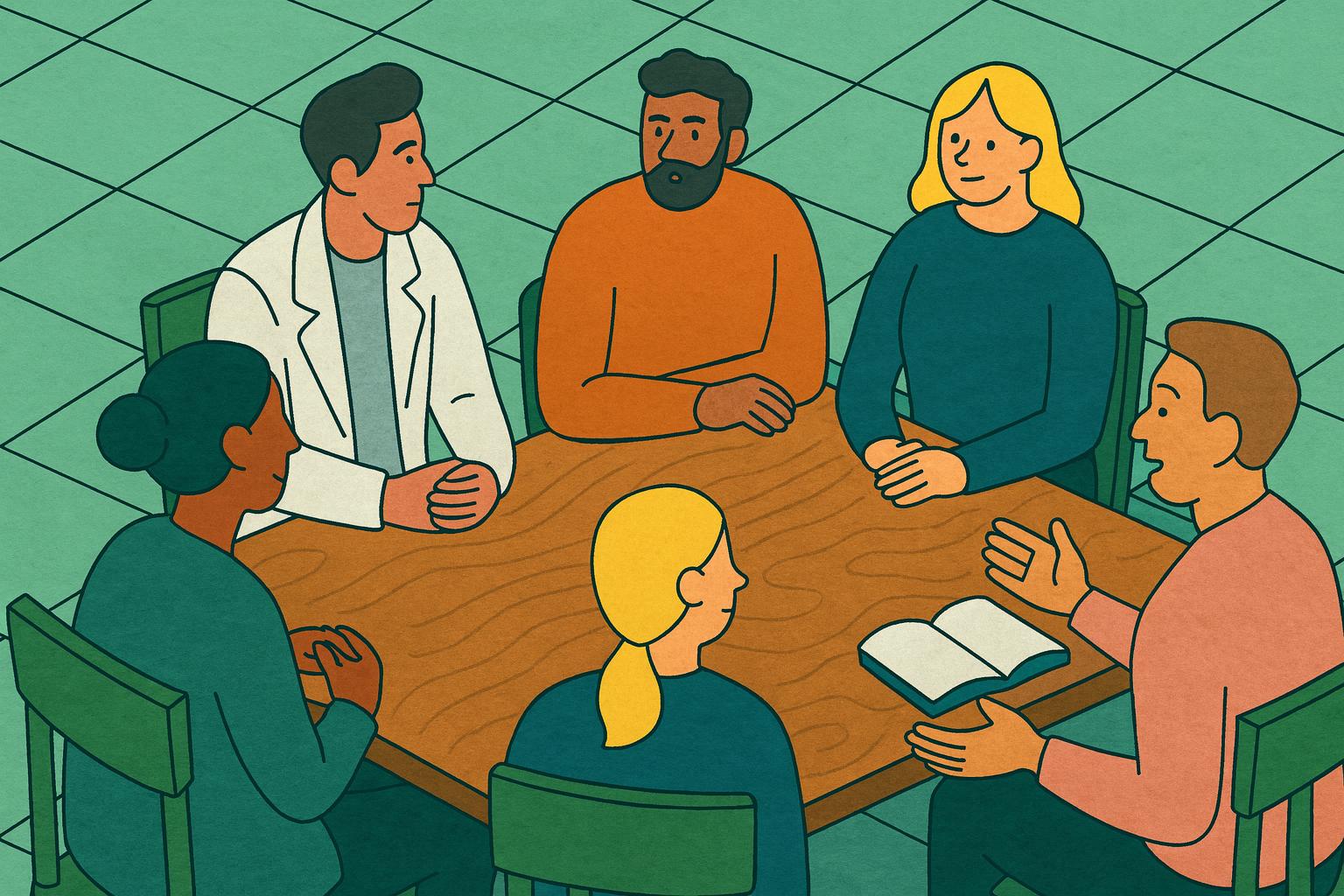
Making friends as an adult is less about waiting for “click” moments and more about building consistency. The people who end up becoming friends are usually the ones you see regularly, in the same setting, with a little structure to guide the conversations. Think: a weekly book club, a recurring dinner rotation, a workout group that meets at the same time every Tuesday. The routine takes the pressure off—it’s not about impressing anyone on day one, it’s about showing up.
Over time, that repetition is what allows real connections to form. Small talk slowly turns into actual conversations, and familiarity starts to build trust. If you’re trying to make friends, don’t focus on big social events or apps. Instead, pick something that happens every week, commit to going, and stick it out for at least a month or two. The consistency is what creates the space for friendships to grow.
Higher pay isn’t about working harder, it’s about working in demand. You earn more when you can do something valuable that few others can. If you want a bigger paycheck, build a skill that’s rare and valuable to employers.

Higher pay doesn’t always come from grinding harder or putting in more hours. It comes from positioning yourself where the market is thin—where demand for a skill outpaces the supply of people who can do it well. You can hustle all day in a role that thousands of others can step into, but the paycheck won’t move much because you’re easily replaceable. The real money shows up when you can do something rare, something employers desperately need but struggle to find.
That’s why the smartest career move isn’t just to “work hard,” it’s to work on the right things. Learn a skill that’s not only valuable but scarce—cybersecurity, AI development, negotiation, specialized medical knowledge, you name it. Employers don’t pay top dollar because you’re sweating more than the next person; they pay because losing you would hurt. If you want a bigger paycheck, don’t just ask how you can work harder—ask how you can make yourself harder to replace.
Do NOT use your vehicles Bluetooth to discuss sensitive info over the phone

When you take a call in your car using Bluetooth, it feels private—you’re inside your vehicle, doors shut, windows up. But here’s the reality: it’s not private at all. The car’s speakers project your voice loud and clear, and anyone nearby—a passerby, someone at the gas pump, even the car in the next lane with their window cracked—can catch parts of the conversation. You might think you’re just talking to your bank or your doctor, but in reality, strangers are hearing sensitive details you’d never want to share.
That’s why you should avoid discussing anything personal—account numbers, medical info, work matters—over your car’s Bluetooth system. Treat it like you’re on speakerphone in a public place, because that’s essentially what it is. If the conversation really matters, wait until you’re somewhere private or use a headset that only you can hear. The car is not a soundproof box, and assuming it is could cost you more than you realize.
People are just temporary, accept that!

It’s a tough pill to swallow, but people really are temporary. Some drift through your life in passing—five minutes at a coffee shop, a chance conversation on a train, a stranger who helps when you’re lost. Others are with you for a season—five days, five months, maybe a couple of years—and in that time they shape you in ways you can’t always recognize until later. Then there are the rare few who stick for decades, who anchor you through storms and grow alongside you. But even they aren’t guaranteed forever. Life changes, circumstances shift, and sometimes the people you thought would be permanent become part of your past.
When you accept this truth, the way you treat people changes. You stop holding back questions you’ve always wanted to ask. You share more of yourself without worrying if it’s “too much.” You listen deeper because you know this moment might be the last time you hear their voice. It doesn’t mean you cling desperately or try to freeze time—it means you become present, generous, and intentional. Every conversation becomes an opportunity to leave both of you better than before. If people are temporary, then the memories, lessons, and kindness you exchange are what truly last.
Learn the 2-minute rule.

Most of us underestimate how much small, unfinished tasks weigh us down. That plate in the sink, the unopened email, the jacket left on a chair—they seem trivial, but together they create mental clutter that makes everything feel heavier. The 2-minute rule cuts through that noise: if a task will take less than two minutes to do, do it immediately.
That means hang up your coat the second you walk in. Fire off that short email reply right now. Rinse the glass and put it in the dishwasher instead of leaving it for “later.” These little wins add up. Not only do you get more done, but you free up headspace, because your brain isn’t constantly nagging you with reminders of tiny things left undone.
The beauty of the rule is that it doesn’t rely on motivation. It’s pure habit. Over time, it teaches you that discipline isn’t about huge bursts of effort—it’s about clearing small obstacles before they pile up. Two minutes now can save you hours of stress later.
Replace “I can’t” with “I don’t.”

The language you use with yourself matters more than you realize. When you say “I can’t,” you’re admitting powerlessness—it sounds like you don’t have a choice, like something outside of you is in control. “I can’t eat sugar,” “I can’t spend money on that,” “I can’t go out tonight.”
It frames the situation as a restriction being forced on you, and sooner or later, that resentment makes you want to rebel.
Now replace it with “I don’t.” “I don’t eat sugar.” “I don’t waste money on that.” “I don’t go out on weeknights.” Notice the difference? It shifts from weakness to identity. “I don’t” is a choice—it’s something you own, something you stand for. It sets a boundary rooted in your values instead of an external rule. Over time, that tiny shift builds discipline, confidence, and consistency because you’re no longer fighting yourself. You’re not a victim of “can’t”—you’re a person who “doesn’t.” And that’s a much stronger place
to live from.
Know the power of names.

Names carry weight. They’re more than just labels—we build identities, relationships, and even hierarchies around them. Knowing someone’s name, remembering it, and using it correctly sends a powerful signal: you matter, I see you, I recognize you as a person. That’s why a stranger who remembers your name after one meeting stands out. It’s also why mispronouncing or dismissing someone’s name can feel like a quiet dismissal of who they are. A name is shorthand for identity, and respecting it is one of the simplest but strongest forms of human connection.
But the power of names doesn’t stop at personal recognition. We name things—movements, products, fears, even dreams—and the names we choose shape how others perceive them. A well-named idea spreads faster because people can hold onto it. A poorly chosen label can sink even the best intentions. Think about how rebranding can revive a failing company or how giving a personal struggle a name—like burnout or imposter syndrome—can suddenly make it easier to understand and talk about. Names crystallize the intangible into something we can point to, share, and act on. Knowing this power means we can wield it intentionally, whether it’s honoring someone else or framing the ideas we want the world to take seriously.
Listen to understand, not to reply. People open up when they feel truly heard.

Most of us think we’re good listeners. But if we’re honest, a lot of the time we’re just waiting for our turn to talk. We nod along, half-distracted, already forming our response before the other person has even finished. That’s not listening — that’s rehearsing.
The real shift comes when you listen to understand, not to reply. It means putting your full attention on the other person, asking questions instead of jumping in with your own story, and resisting the urge to “fix” things right away. When people feel like they’re actually being heard — not judged, not interrupted, not rushed — something changes. Walls come down. They share more, and the conversation goes deeper.
Listening this way isn’t passive. It’s active. It takes effort to stay curious instead of defensive, to hear someone’s perspective without immediately filtering it through your own. But when you do, you’ll notice people open up in ways they never would if they sensed you were just waiting for your turn. And that’s the foundation of trust in any relationship.