
[Read more…] about A Few Memes For All The History Loving People Out There

Ned Hardy
Get Smarter Everyday

[democracy id=”67″] [Read more…] about Trivia Question of the Day
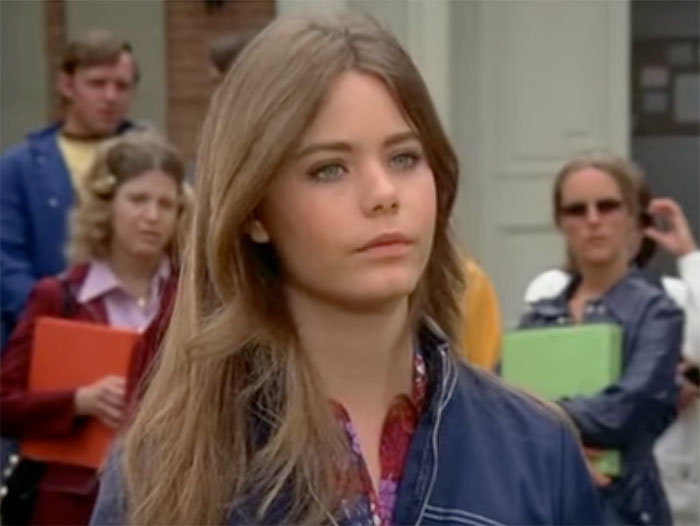
Susan Dey, eternally etched in the memories of a generation as Laurie Partridge from the beloved 1970s sitcom “The Partridge Family,” captivated audiences as the insightful, keyboard-playing teen in the musical family ensemble. Adored for her girl-next-door allure, sharp wit, and genuine warmth, she quickly rose to fan-favorite status.
Now, as Dey celebrates her 70th birthday, we take a moment to catch up with the once teen sensation, tracing her fascinating evolution from a widely admired sitcom star to a figure who yearns for a life away from the relentless spotlight.
[Read more…] about Whatever Happened to Susan Dey from ‘The Partridge Family’

No Country for Old Men is a film that doesn’t just leave you with unanswered questions—it leaves you with a palpable sense of dread, as if you’ve just glimpsed something far more sinister and inexplicable than a mere movie plot.
[Read more…] about The Ending Of ‘No Country For Old Men’ Explained

One beach babe that we all had our eye on was Kelly Packard, who portrayed April Giminski on Baywatch. Her authentic presence and those gorgeous green eyes kept us tuning in every week. Let’s see what Packard has been up to since donning the famous suit for the last time.
[Read more…] about She Played April on Baywatch. See Kelly Packard Now at 49
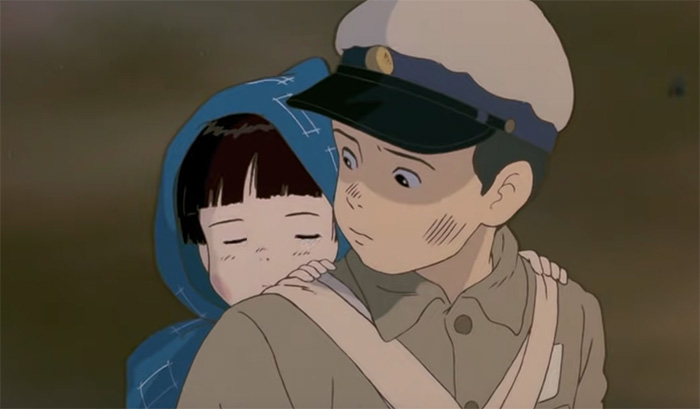
Some films are like roller coasters—exhilarating, fun, and something you can’t wait to experience again. Then there are the movies that are more like emotional marathons.
You start them knowing they’re going to push you to your limits, and by the end, you’re left breathless, drained, and wondering why you put yourself through it in the first place.
[Read more…] about 5 Brilliant Movies that You Can Only Bear To Watch Once

Remember Kandi? The sweet, dimwitted blonde who stole Charlie Harper’s heart (and couch space) on Two and a Half Men? It’s been over a decade since April Bowlby graced our screens with her bubbly charm and comedic timing, but the actress has been far from idle.
[Read more…] about She Played ‘Kandi’ On Two and a Half Men, See April Bowlby Now At 44

It’s the early hours of March 15, 1939. The world is teetering on the edge of a precipice, though few can yet see the abyss that lies ahead. Inside the imposing Reich Chancellery in Berlin, a drama is unfolding that will soon plunge Europe into darkness.
Emil Hácha, the elderly and frail President of Czechoslovakia, has been summoned to meet with Adolf Hitler. It’s no secret why he’s been called. Since the Munich Agreement of the previous year, Czechoslovakia had been sliced apart, its defenses gutted, and its sovereignty mortally wounded. But now, as Hácha waits in the cold corridors of the Chancellery, the final blow is about to be struck.
For hours, Hitler keeps Hácha waiting. This is a power play—a psychological assault before the physical one. Hitler, in his usual display of contempt for those he views as weak, spends the time watching a film. It’s not until 1:30 a.m. that the Führer finally deigns to see his guest.

Picture this: You’re sitting in a darkened theater, popcorn in hand, watching yet another Alien movie unfold. The setup is familiar – a ragtag crew of space explorers, each with their own quirks and backstories, venturing into the unknown. You know what’s coming. By the third act, they’ll be running through dimly lit corridors, pursued by a nightmarish creature that’s more teeth than sense.
[Read more…] about Stop Giving Us the Same Aliens Movie: It’s Time to Explore the Engineers


