Ty Cobb “sliding” into home – 1920
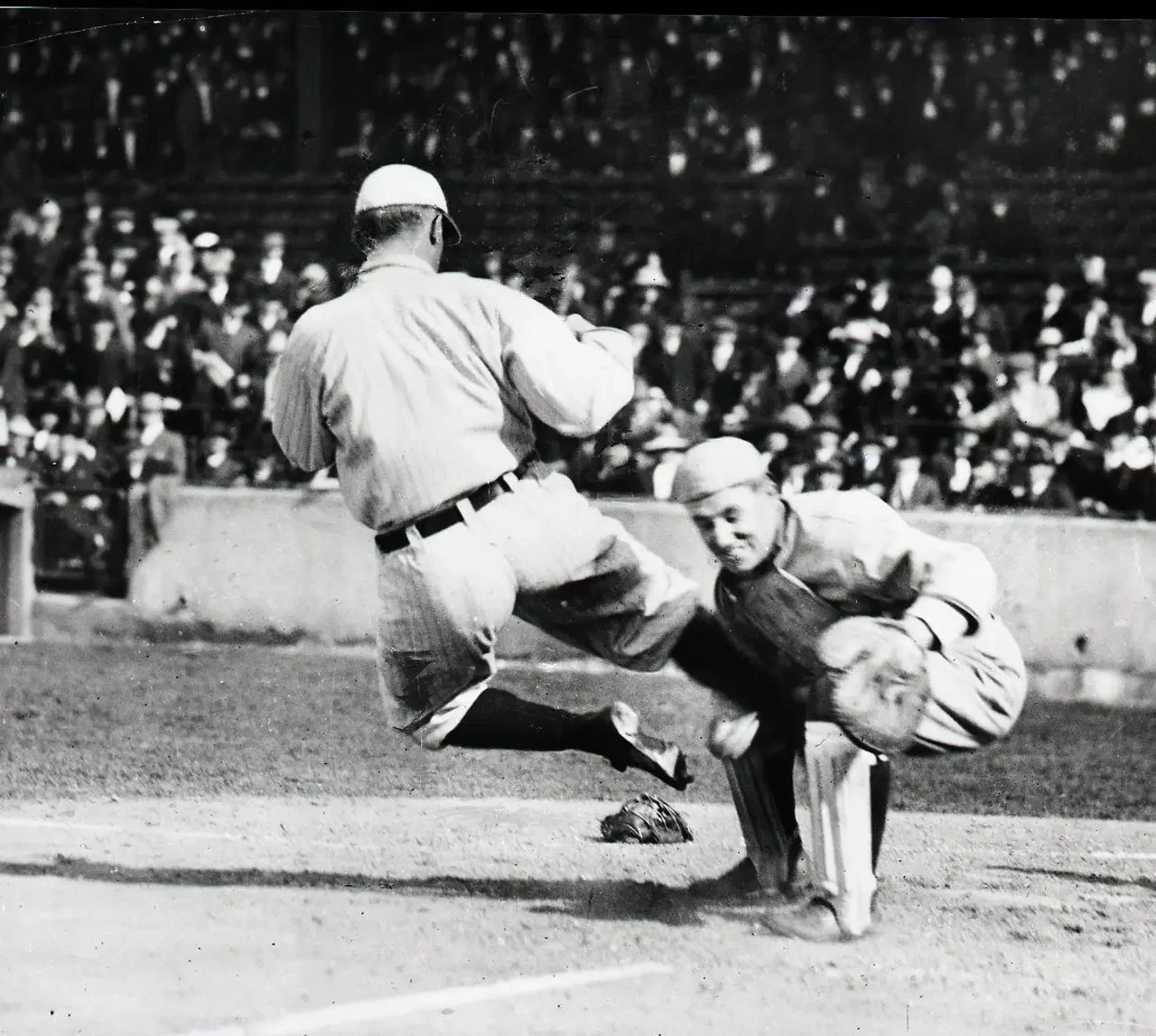
Ty Cobb was one of baseball’s most competitive and controversial figures, known for his aggressive style of play. His sliding technique often aimed to intimidate or disrupt opposing players.
He remains one of the sport’s greatest hitters, holding numerous records and maintaining one of the highest career batting averages in Major League Baseball history.
U.S. military authorities prepare to hang Dr. Klaus Karl Schilling, 74, at Landsberg, Germany, on May 28, 1946. He used 1200 Dachau prisoner’s for a malaria experiment.
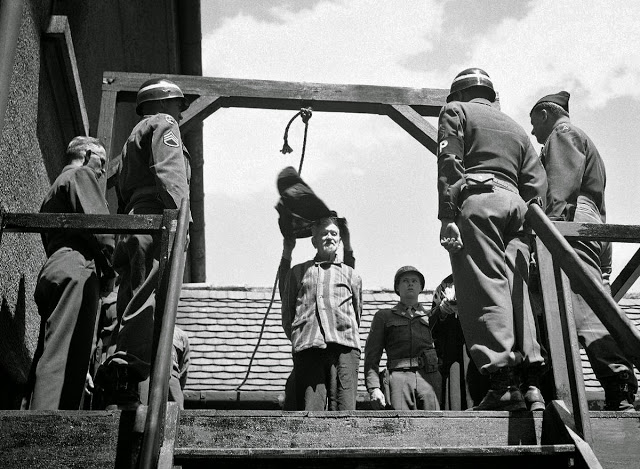
Schilling was among the Nazi physicians prosecuted after World War II for conducting inhumane medical experiments on concentration camp prisoners. At Dachau, he deliberately infected inmates with malaria to test treatments, leading to immense suffering and many deaths.
His trial was part of a broader reckoning with medical war crimes, helping to shape modern standards of medical ethics, including the principle of informed consent in human experimentation.
Serial killer John Wayne Gacy poses with First Lady Roslynn Carter. This picture would become an embarrassment for the Secret Service as the pin Gacy is wearing indicates security clearance. 1978
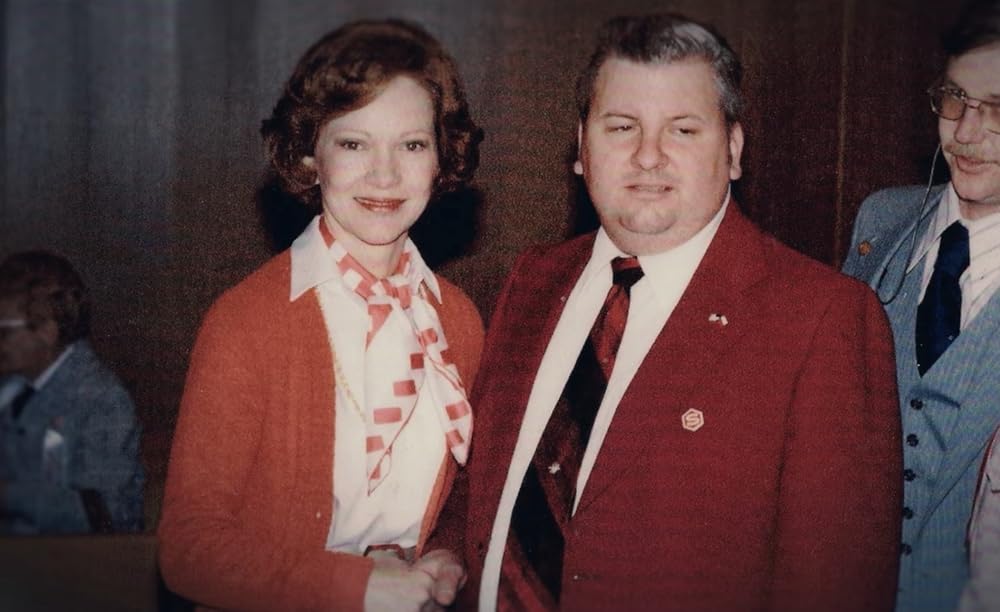
Before his crimes were uncovered, Gacy was seen as a respected member of his community, active in local politics and charitable events. This public persona allowed him to gain access to high-profile gatherings, including events attended by political figures.
The photograph later became infamous, illustrating how easily he was able to blend into respectable society while secretly committing a series of brutal murders.
Marshland in front of the Lincoln Memorial, near the Potomac River, in 1917. Work is underway to turn this site into the 2,000-foot-long reflecting pool.
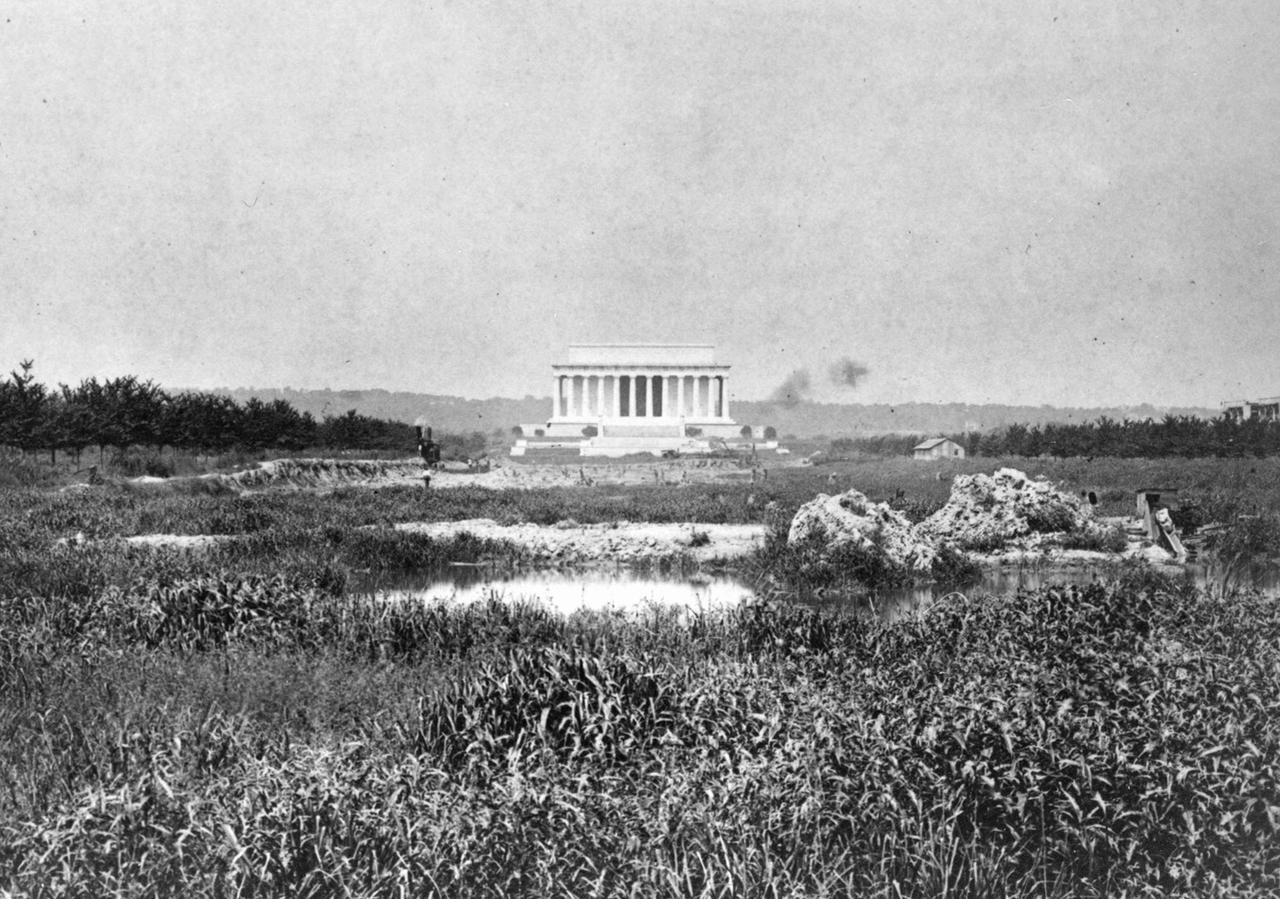
Before the construction of the Reflecting Pool, much of the National Mall area consisted of swampy terrain prone to flooding. Extensive engineering and land reclamation were required to reshape the landscape into the monumental civic space seen today.
The completed Reflecting Pool would become a symbolic centerpiece, reflecting the Lincoln Memorial and later serving as the backdrop for major historical events, including civil rights demonstrations.
Public Library of Cincinnati & Hamilton County, built in 1874
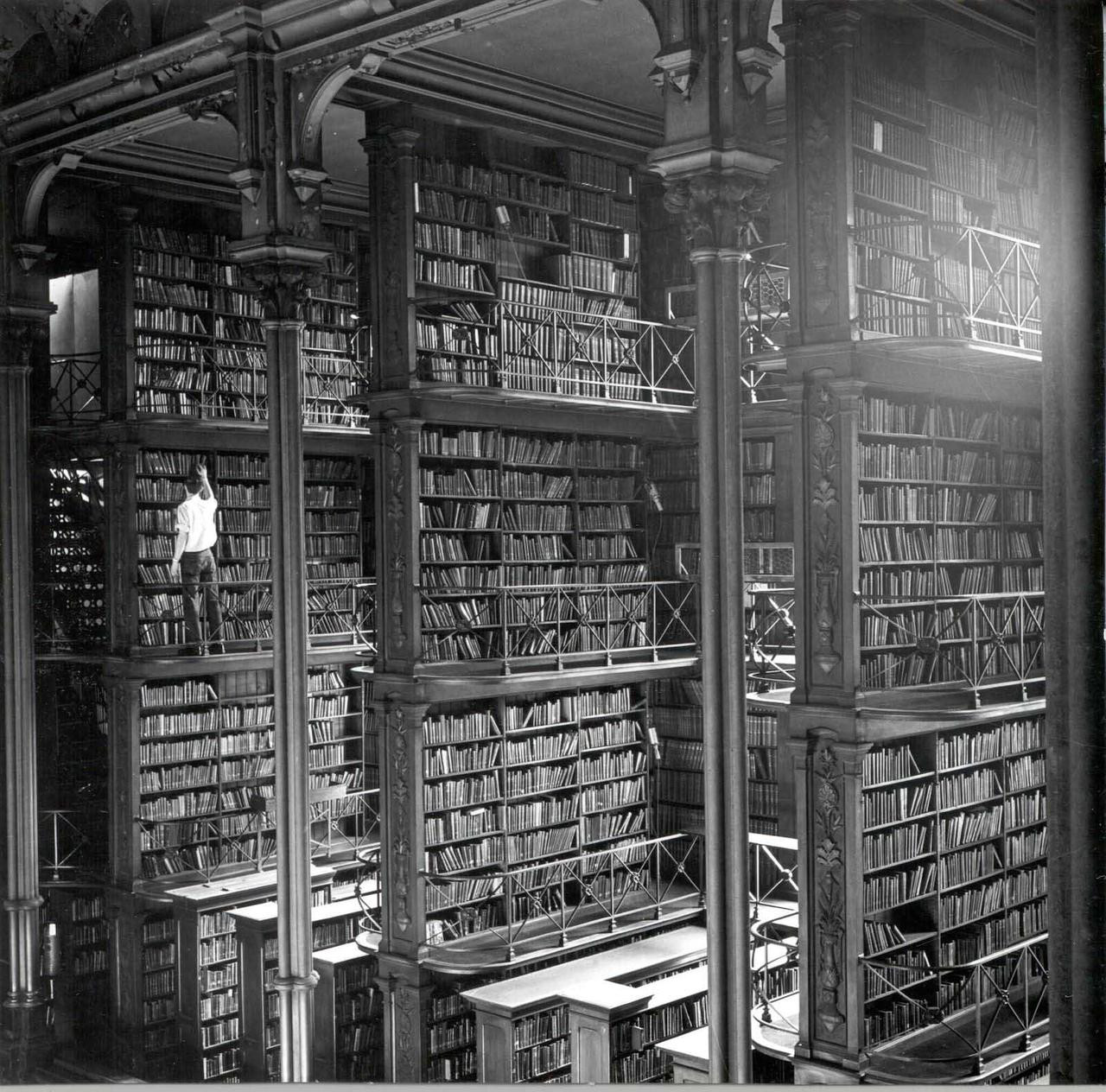
This remarkable library was known for its vast, cathedral-like interior filled with towering iron book stacks and ornate balconies. It represented a golden age of public architecture, where civic buildings were designed to inspire awe and learning.
Despite its beauty, the building was demolished in the mid-20th century, a loss that is often cited as one of the greatest architectural regrets in American urban history.
Monopoly board created by POWs held captive in the Philippines by the Japanese during WWII
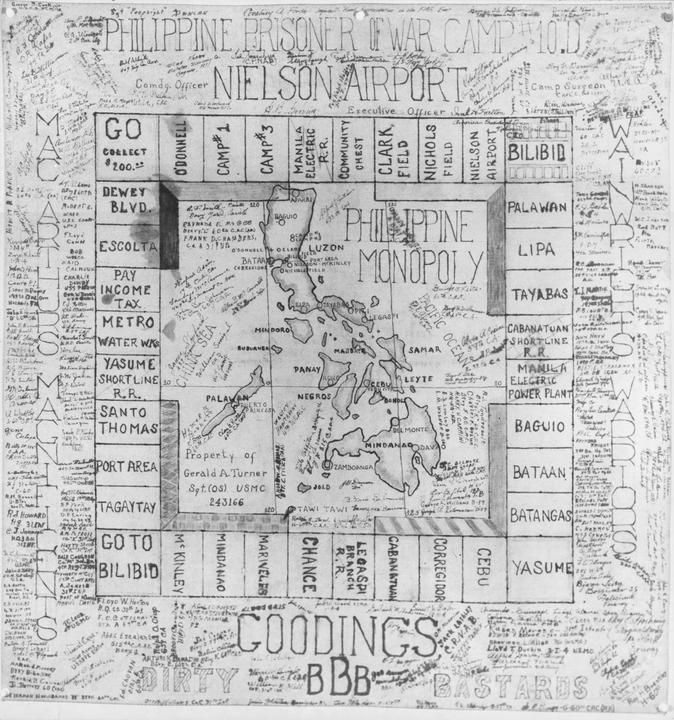
Prisoners of war often created makeshift games to pass time and maintain morale under harsh conditions. Boards like this one were handcrafted from whatever materials were available, reflecting both ingenuity and resilience.
In some cases during the war, specially prepared Monopoly sets were smuggled into camps by Allied intelligence, containing hidden tools such as maps and compasses to aid escape attempts.
Arthritis-ridden Renoir painting flowers at his garden, circa 1910’s
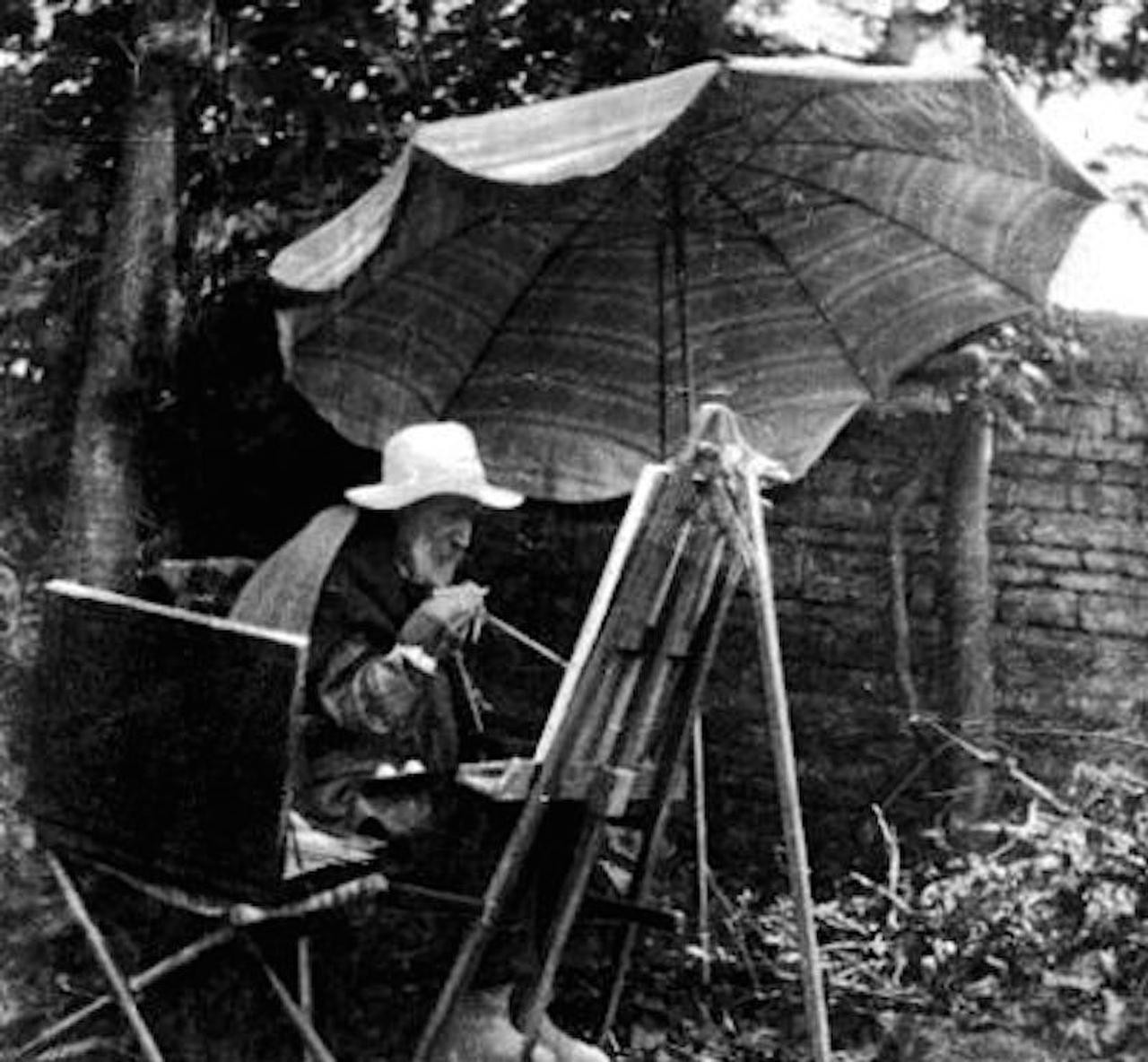
By the end of his life, Pierre-Auguste Renoir suffered from severe rheumatoid arthritis that left his joints deformed and in constant pain. Despite this, he continued to paint daily, demonstrating extraordinary dedication to his craft.
Assistants often helped position canvases, and brushes were sometimes strapped to his hands, allowing him to continue producing vibrant works even under physically debilitating conditions.
Hovering U.S. Army helicopters pour machine gun fire into a tree line to cover the advance of South Vietnamese ground troops in March 1965. The troops were moving to attack a Viet Cong camp northwest of Saigon near the Cambodian border.
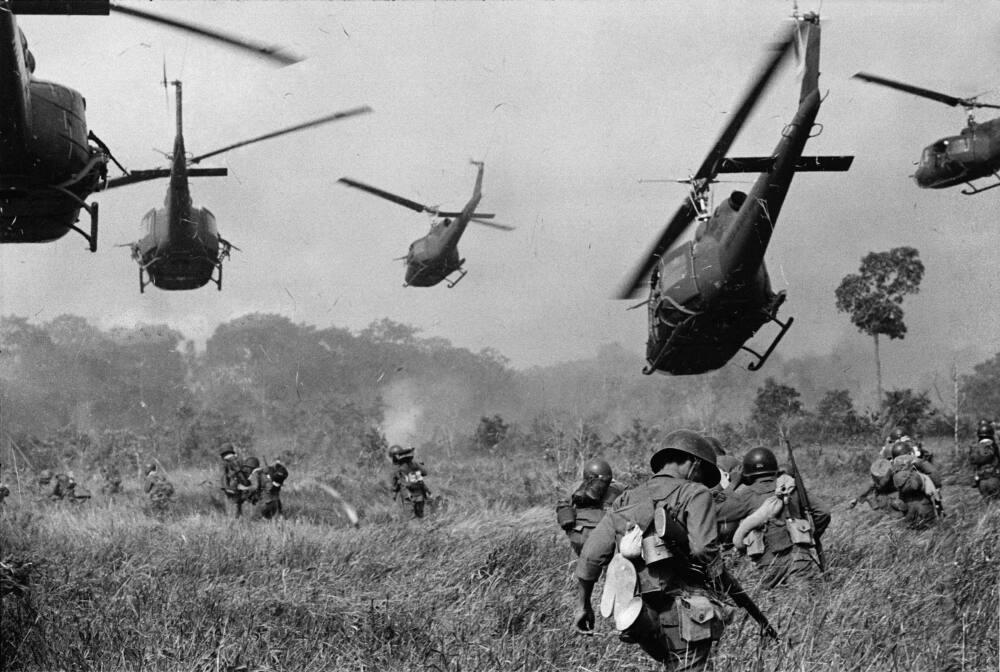
This image captures the growing role of helicopter-based warfare during the Vietnam War, where mobility and rapid deployment became central to U.S. military strategy. Helicopters were used for troop transport, reconnaissance, and direct combat support.
Such tactics allowed forces to engage in difficult jungle terrain, but also marked an escalation in the scale and intensity of the conflict during its early years.
Trench Warfare. Photo taken by an official British photographer during WWI, 1917
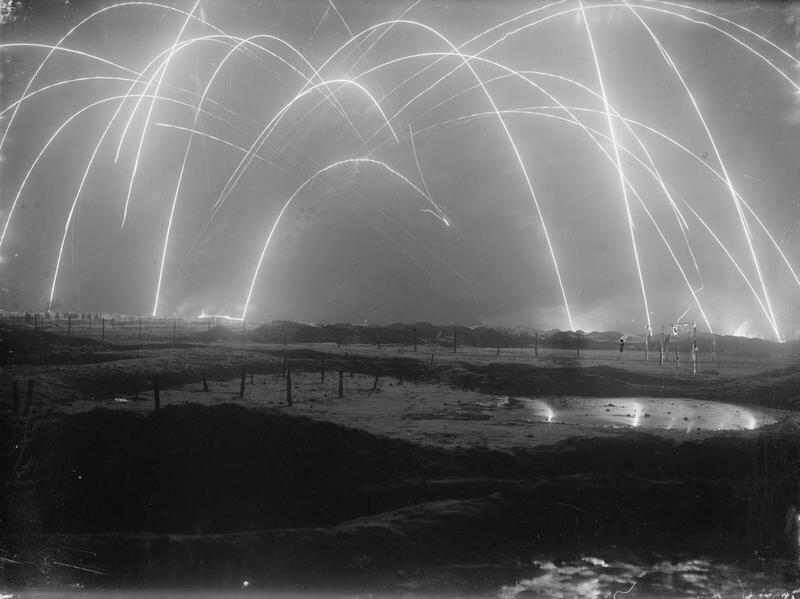
Trench warfare defined much of World War I, particularly on the Western Front, where opposing sides were locked in a deadly stalemate. Soldiers lived for months in narrow, muddy trenches exposed to constant shelling and sniper fire.
Conditions were extremely harsh, with disease, flooding, and psychological strain taking a heavy toll alongside combat casualties.
Alcatraz Prison Menu from 1946
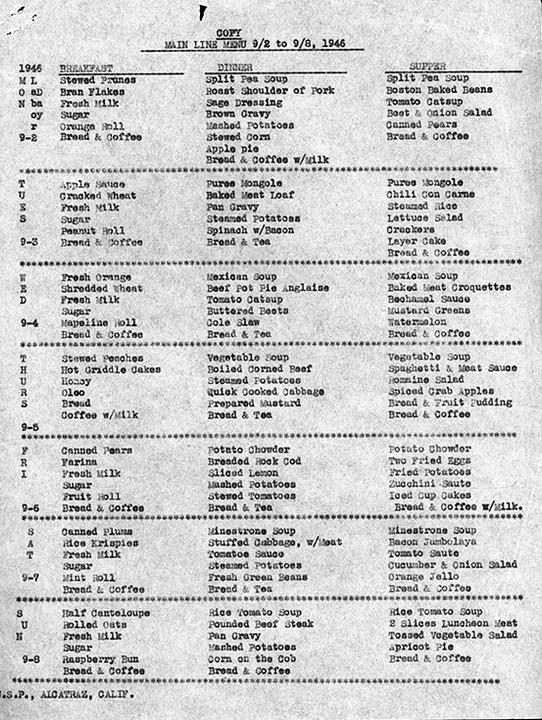
Alcatraz was known for providing relatively high-quality and consistent meals compared to other prisons of the time. Officials believed that good food reduced unrest among inmates and minimized the likelihood of riots.
Despite its harsh reputation, the prison maintained strict standards in daily routines, including meals, which were considered a basic but important privilege.
Carving George Washington into Mount Rushmore – 1932
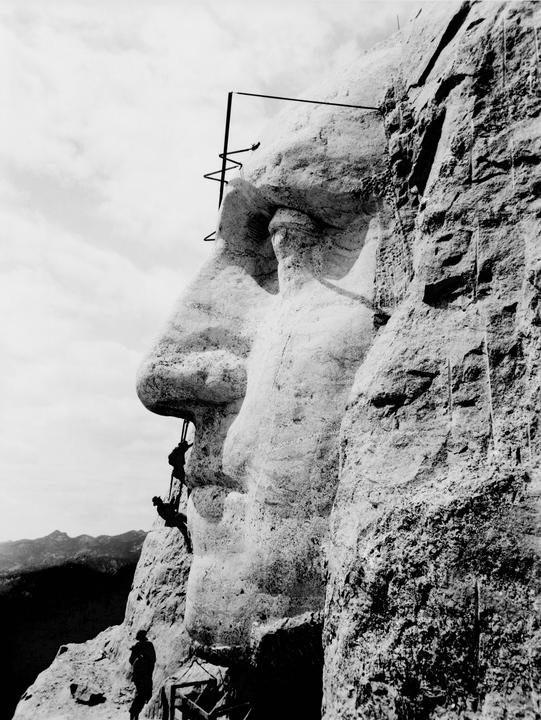
The construction of Mount Rushmore was an enormous engineering undertaking that relied heavily on controlled explosions to remove large sections of rock. Workers then refined the details by hand, often suspended on ropes along the mountain face.
The project took over a decade to complete and became one of the most recognizable monuments in the United States.
Salvador Dalí on a carriage drawn by his goat, 1953.
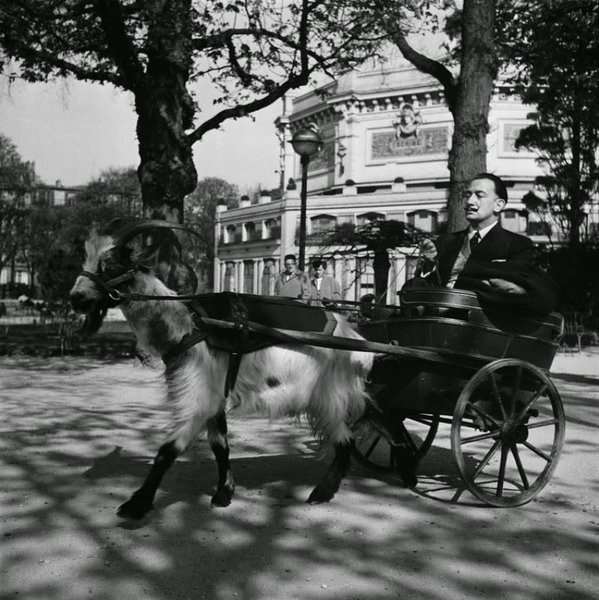
Salvador Dalí cultivated a flamboyant and eccentric public image that matched the surreal qualities of his artwork. Public appearances like this were carefully staged to attract attention and reinforce his persona.
His unconventional behavior helped make him one of the most recognizable artists of the 20th century, blurring the line between art and performance.
Typical grocery store queue in Vilnius (the capital of current Lithuania), 1990, USSR consumer goods shortage
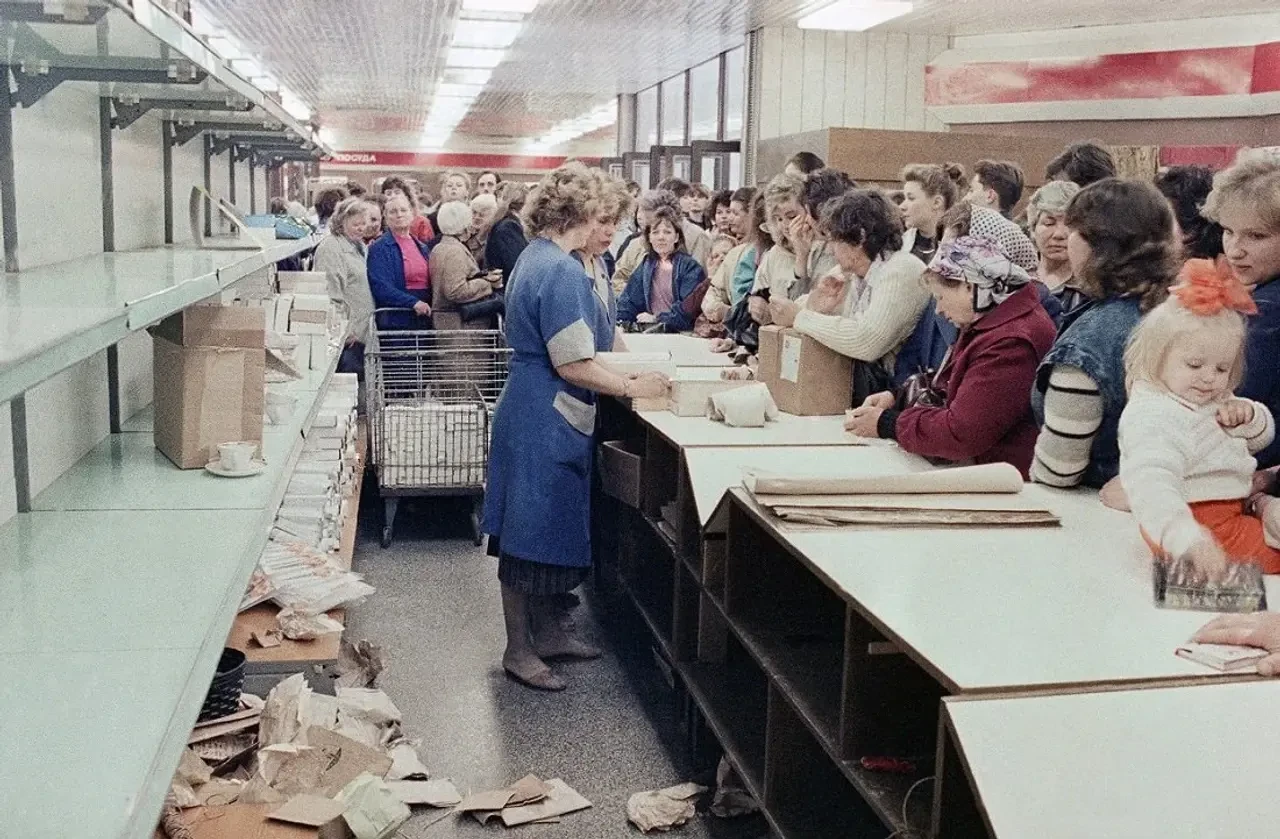
In the final years of the Soviet Union, economic inefficiencies and supply chain failures led to widespread shortages of basic consumer goods. Long lines like this were a daily reality for many citizens.
People often waited hours for essentials, and availability was unpredictable, contributing to growing dissatisfaction with the system.
Disneyland’s “Rocket to the Moon”, 1967
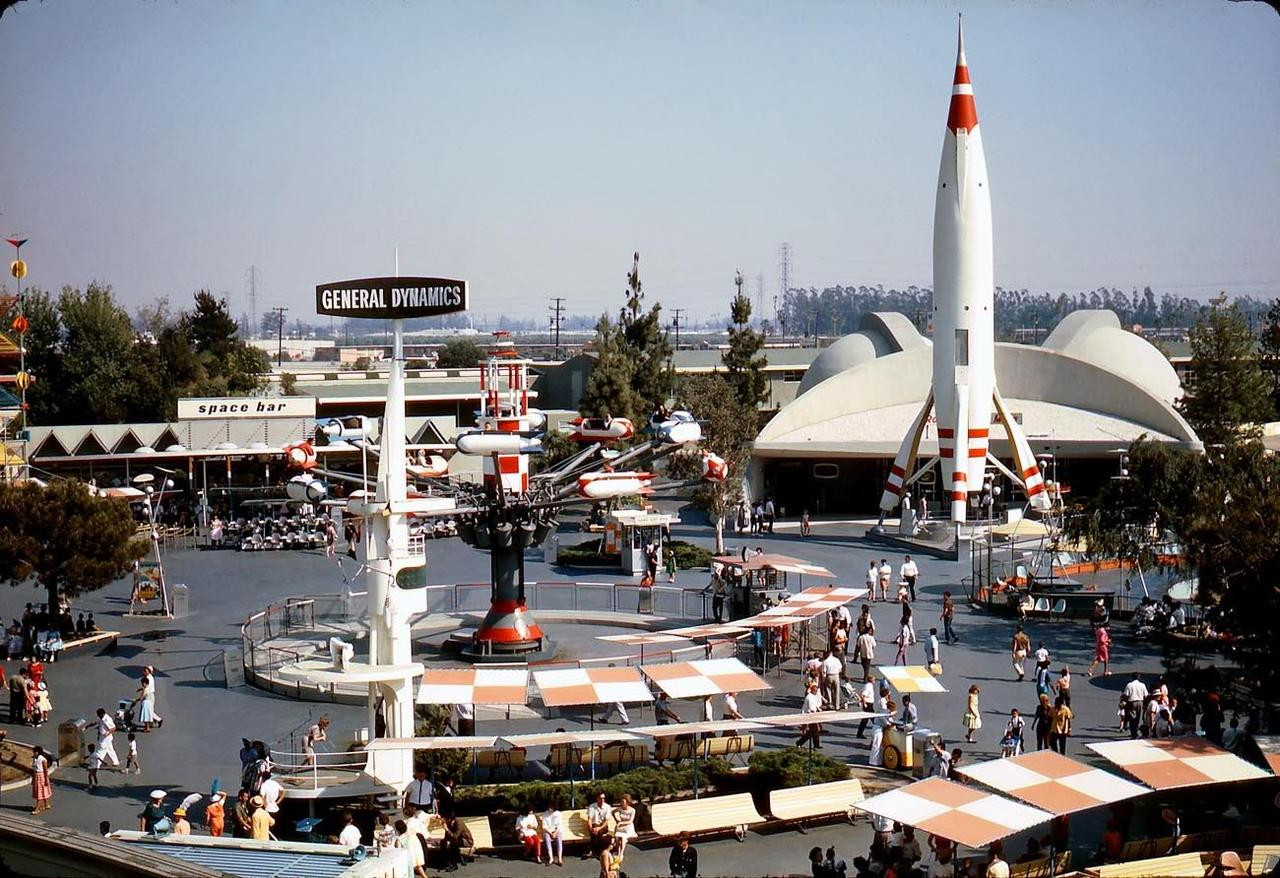
This attraction gave visitors a simulated journey to the Moon at a time when space travel was still in its infancy. It reflected the widespread fascination with space exploration during the 1960s.
Just two years later, the Apollo 11 mission would make that journey a reality, turning what had once been science fiction into history.
Citizen Kane premiere, 1941
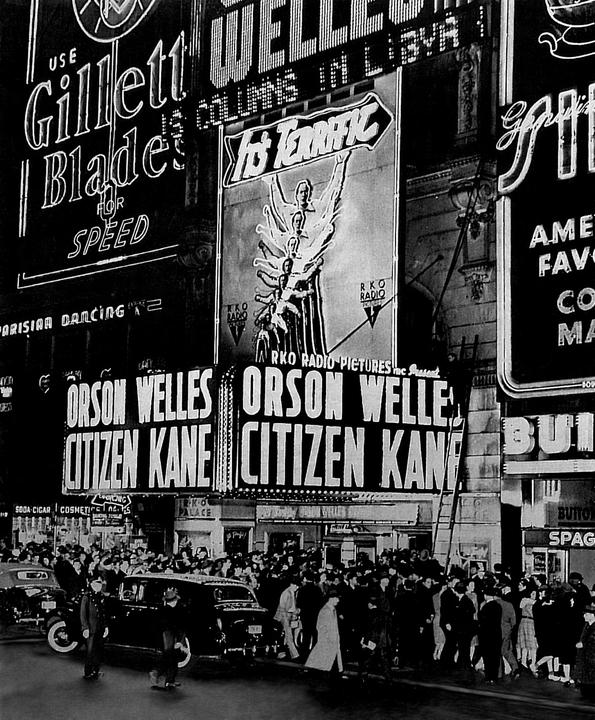
Directed by and starring Orson Welles, “Citizen Kane” is often hailed as one of the greatest films ever made due to its innovative storytelling and cinematography techniques.
Despite its critical acclaim, the film faced controversy and limited initial success, partly due to its perceived parallels with real-life media magnate William Randolph Hearst.
Heavyweight Boxing Champ Jack Johnson & wife, 1910s
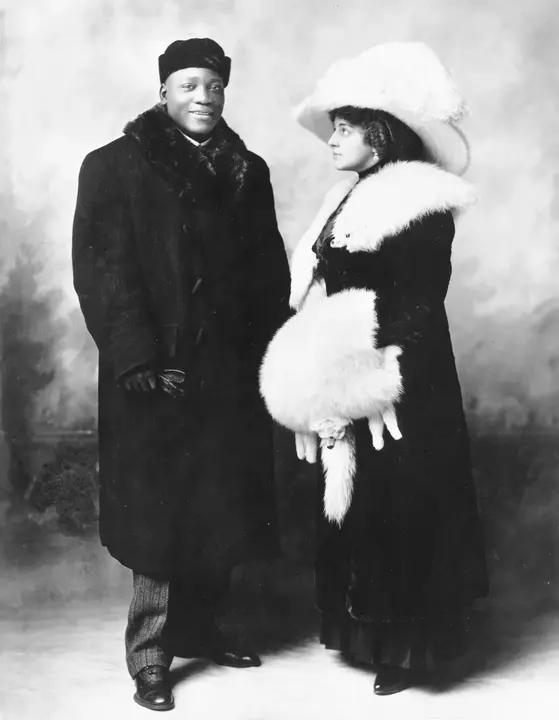
Jack Johnson became the first Black heavyweight boxing champion in 1908, a time of intense racial segregation and discrimination in the United States. His success challenged prevailing social norms and made him a highly controversial figure.
His personal life, including his relationships, drew significant public attention and backlash, highlighting the racial tensions of the era.
German Panzerkampfwagen 38(t) tank neatly shot through the barrel – Belarus 1941
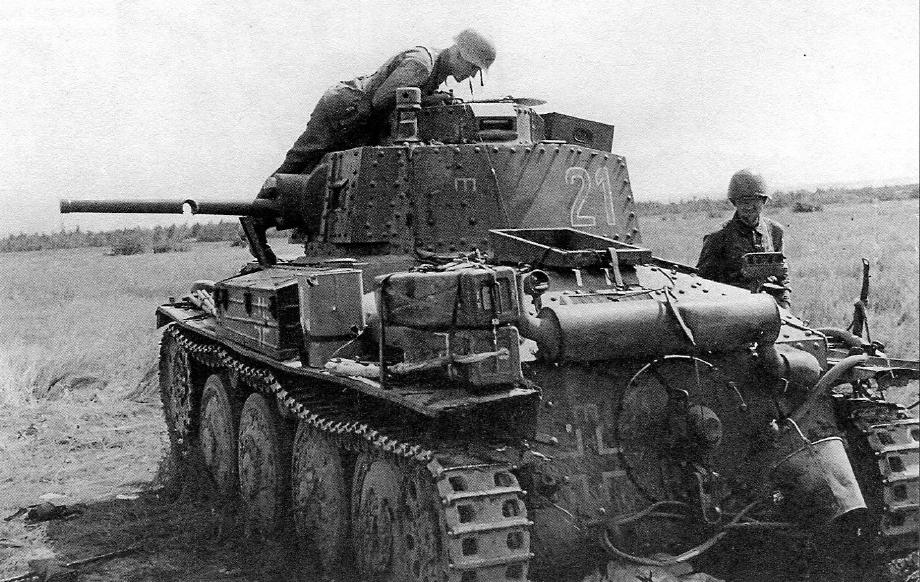
A direct hit into a tank’s gun barrel was an extremely rare occurrence, often resulting in catastrophic damage to the weapon and rendering the tank ineffective in combat.
This image illustrates both the intensity of armored warfare on the Eastern Front and the sometimes extraordinary circumstances captured in wartime photography.
A young girl in a school for Black civil rights activists being trained to not react to smoke blown in her face, 1960.
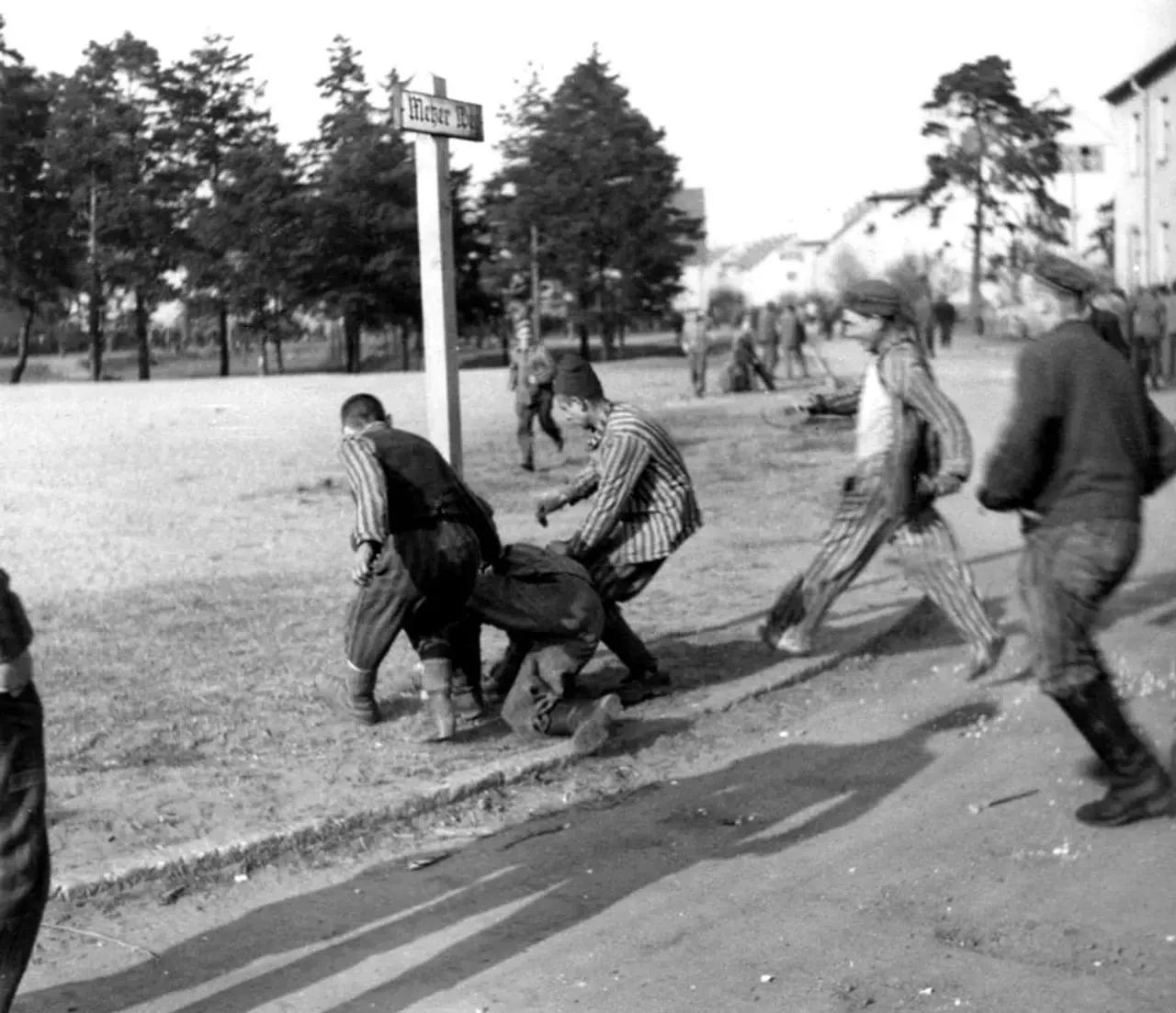
Training sessions like this were part of nonviolent resistance programs during the Civil Rights Movement. Participants, including young people, were taught how to remain calm and composed under provocation.
Such preparation was essential for sit-ins and protests, where activists often faced verbal abuse, physical intimidation, and other forms of harassment.
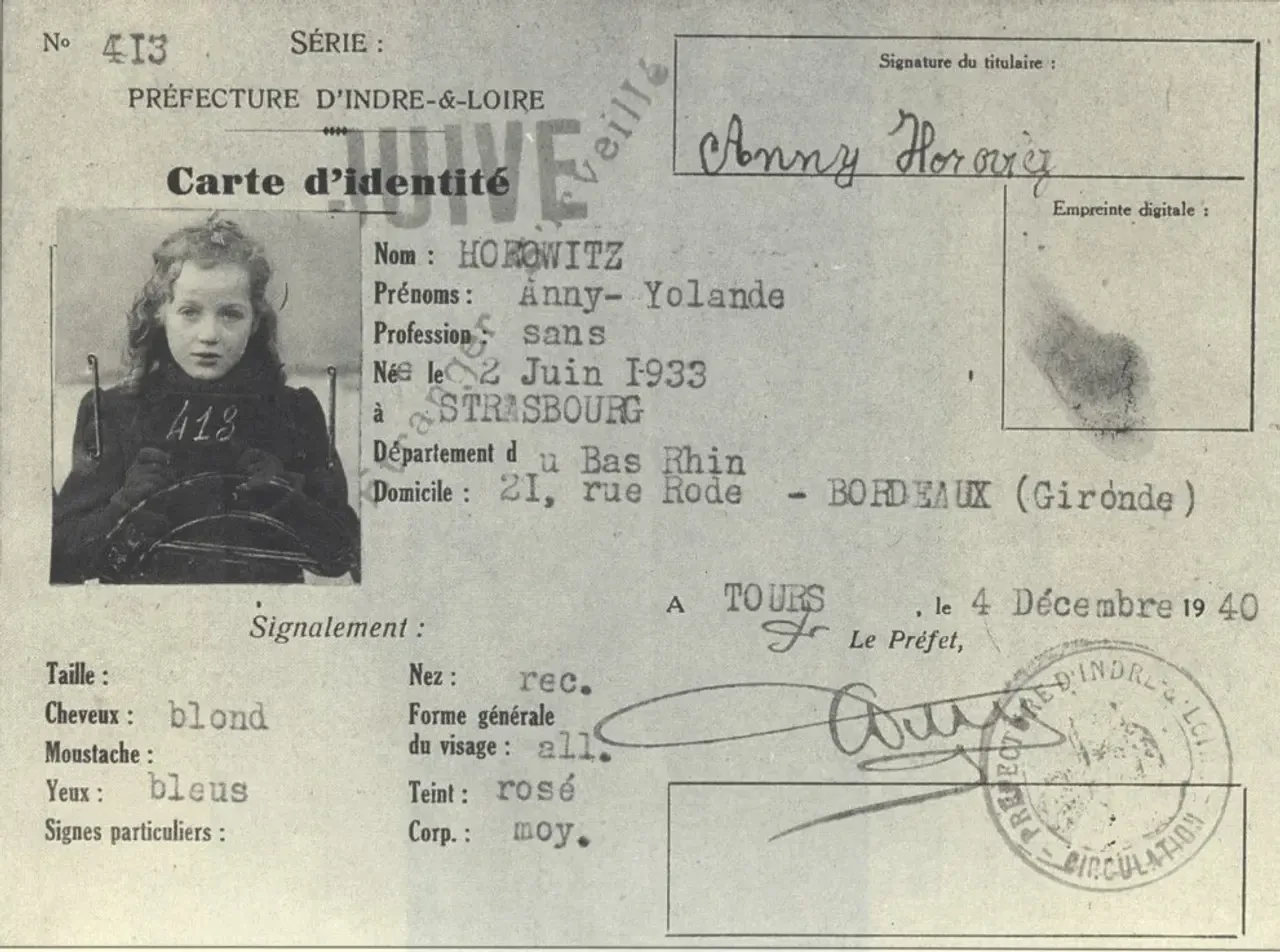
The identification card of Anny Horowitz, a French Jewish girl murdered in Auschwitz, 1940