Section

Category: History

History

JFK’s Harvard Application Essay Is Only 5 Sentences Long

jfk harvard application

Why do you wish to come to Harvard?

The reasons that I have for wishing to go to Harvard are several. I feel that Harvard can give me a better background and a better liberal education than any other university. I have always wanted to go there, as I have felt that it is not just another college, but is a university with something definite to offer. Then too, I would like to go to the same college as my father. To be a “Harvard man” is an enviable distinction, and one that I sincerely hope I shall attain.

April 23, 1935
John F. Kennedy

Read more JFK’s Harvard Application Essay Is Only 5 Sentences Long
History

The Voice of a Defeated God: Hirohito’s Surrender and the Shattering of a National Myth

Hirohito’s Surrender

On August 15, 1945, Japan experienced a moment unlike any in its history. Emperor Hirohito’s Jewel Voice Broadcast (Gyokuon-hōsō) announced Japan’s acceptance of the Potsdam Declaration, signaling the end of World War II.

But this wasn’t just the end of a global conflict—it was a cultural rupture that forced the Japanese people to grapple with the fall of an entire belief system. For centuries, the emperor had been viewed as a divine figure, far removed from the ordinary lives of his people. His voice had never been heard by the common populace.

Read more The Voice of a Defeated God: Hirohito’s Surrender and the Shattering of a National Myth
History

Historical Experience of the Day

Imagine the chaotic and tense environment of Los Angeles in 1992, during the infamous riots. As a Korean shop owner perched on the roof of your business, clutching a rifle, you’re engulfed in a whirlwind of emotions and thoughts. The atmosphere is thick with smoke, and the sounds of sirens, shouting, and breaking glass fill the air.

You’re a part of a community that has worked tirelessly to build a life in this city, often facing prejudice and discrimination. Now, your hard-earned livelihood is under direct threat. The sight of looters approaching, the anger and desperation in their eyes, stirs a mix of fear and determination within you.

Read more Historical Experience of the Day
History

On This Day in History – April 12, 1633

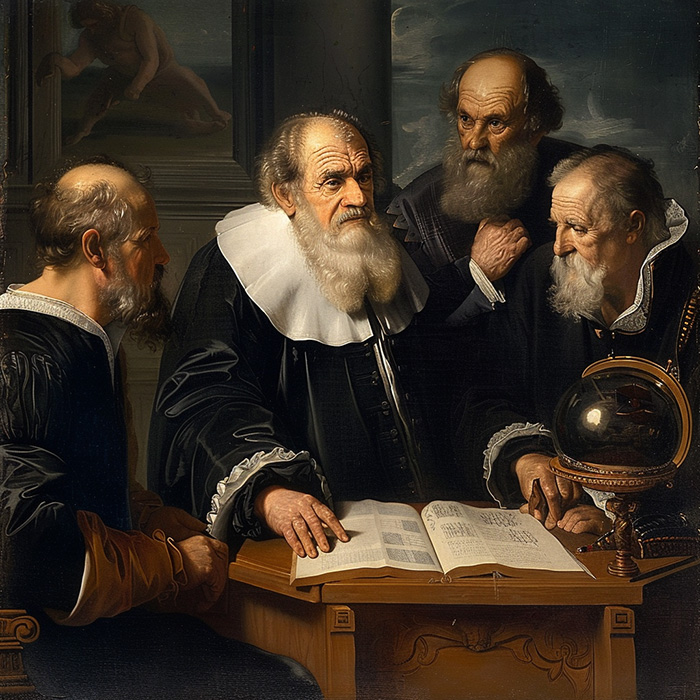
Galileo

Galileo is accused of heresy

In the early 17th century, the conflict between Galileo Galilei and the Catholic Church epitomized the tension between science and religious doctrine. Galileo, an Italian astronomer, engineer, and philosopher, was at the forefront of the Scientific Revolution.

His support for Copernicanism, the astronomical model developed by Nicolaus Copernicus, which posited that the Earth and other planets orbit the Sun, directly challenged the geocentric views long held by church doctrine, according to which everything in the universe orbited Earth.

Read more On This Day in History – April 12, 1633
History

On This Day in History – April 10, 1866

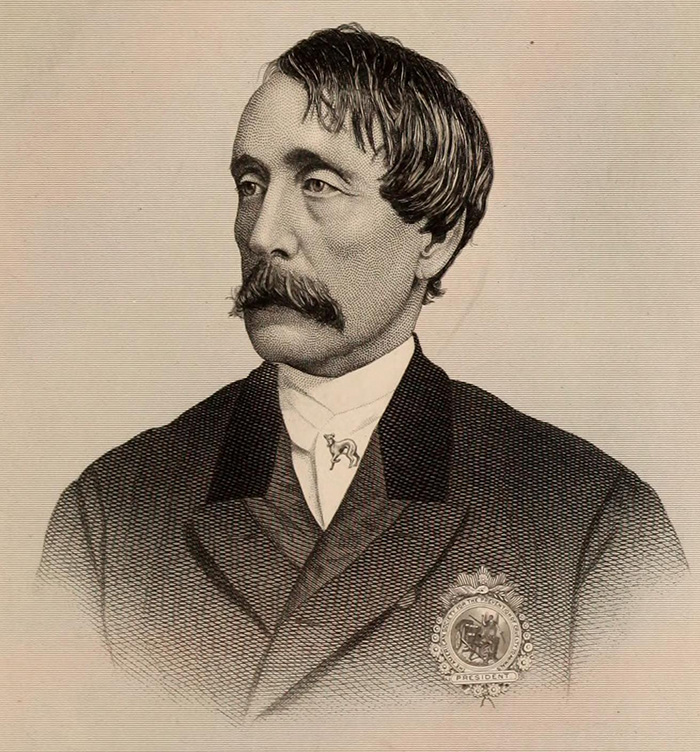
Henry_Bergh_ASPCA

The American Society for the Prevention of Cruelty to Animals (ASPCA) was founded

On April 10, 1866, the American Society for the Prevention of Cruelty to Animals (ASPCA) was founded in New York City, marking a significant milestone in the history of animal welfare in the United States.

The organization was the brainchild of Henry Bergh, a 54-year-old philanthropist and diplomat, who was moved by the cruel treatment of animals he witnessed during his travels and diplomatic postings.

Read more On This Day in History – April 10, 1866
History

On This Day in History – April 9, 1865

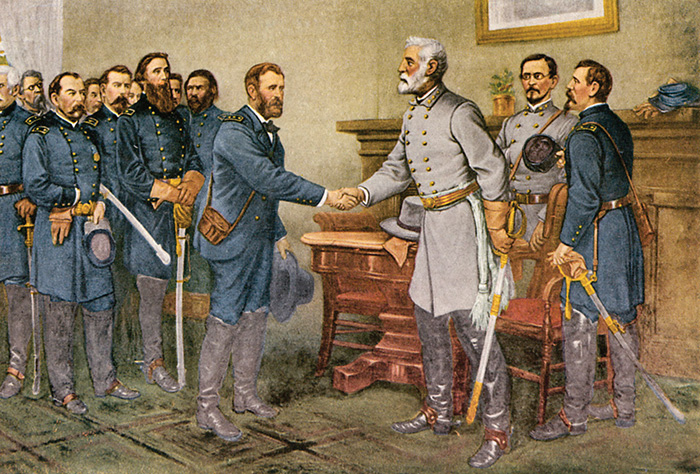
robert e lee

General Robert E. Lee, commander of the Army of Northern Virginia of the Confederate States of America, signed a treaty of surrender at Appomattox Court House

On April 9, 1865, General Robert E. Lee, the commander of the Confederate Army of Northern Virginia, signed a treaty of surrender at Appomattox Court House in Virginia, effectively bringing an end to the American Civil War. This momentous event marked the culmination of a series of battles and campaigns that had left Lee’s once-formidable army depleted and exhausted, unable to continue the fight against the overwhelming forces of the Union Army under the command of General Ulysses S. Grant.

Read more On This Day in History – April 9, 1865
History

On This Day in History – April 8, 1990

Twin Peaks

“Twin Peaks” premieres on ABC

Imagine pitching a show where the town sheriff communes with spirits through cherry pie, a one-armed man receives messages from a dancing dwarf, and a Log Lady carries cryptic pronouncements carved into wood.

This wasn’t your average whodunit; it was a metaphysical puzzle wrapped in a murder mystery, sprinkled with quirky humor and unsettling chills.

Yet, against all odds, ABC, a network known for its fluffy sitcoms and family dramas, took a colossal gamble, greenlighting “Twin Peaks” and betting on the vision of two audacious creators – the enigmatic filmmaker David Lynch and his writing partner, Mark Frost.

Read more On This Day in History – April 8, 1990
History

On This Day in History – April 4, 1968

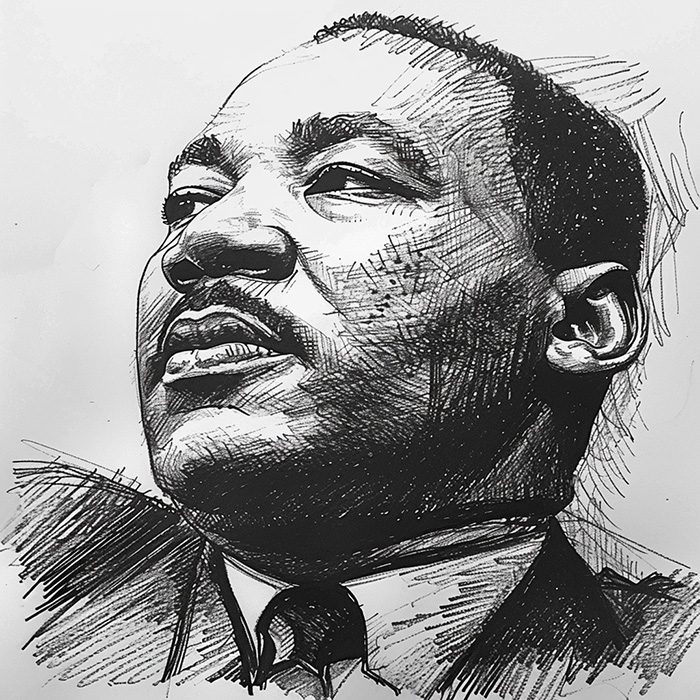
Martin Luther King Jr assassinated

Martin Luther King, Jr., assassinated

On April 4, 1968, the Reverend Dr. Martin Luther King Jr. was assassinated in Memphis, Tennessee. King, the renowned civil rights leader, was in Memphis to support striking African American sanitation workers who were protesting unequal wages and working conditions. He was staying at the Lorraine Motel.

At 6:01 pm, while standing on the second floor balcony of the motel, King was struck by a single bullet fired from a rifle. The shot struck King in the jaw and severed his spinal cord.

He was rushed to St. Joseph’s Hospital, where he was pronounced dead about an hour later at the age of 39.

Read more On This Day in History – April 4, 1968
History

On This Day in History – April 3, 1860

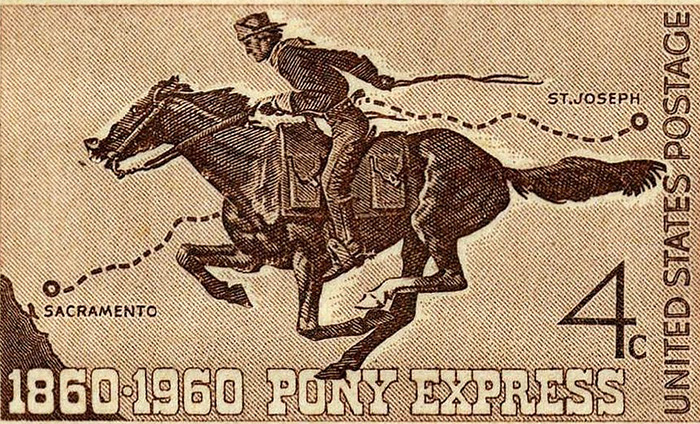
Pony_Express

The Pony Express mail delivery system, which used continuous horse-and-rider relays along a 1,800-mile route between St. Joseph, Missouri, and Sacramento, California, was launched in the United States.

The Pony Express, despite its brief existence from April 1860 to October 1861, occupies a legendary status in the narrative of American history.

It initiated its operations on April 3, 1860, with the first mail pouch leaving St. Joseph, Missouri. Remarkably, this inaugural journey culminated on April 14, 1860, when the mail was delivered to San Francisco, a feat accomplished in just under two weeks.

Read more On This Day in History – April 3, 1860
History

On This Day In History – April 2, 1864

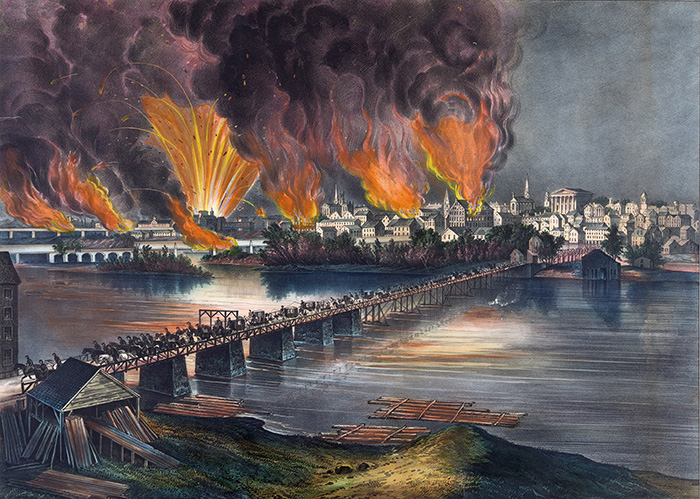
Fall of Richmond - Civil War”

In the face of advancing Union forces, Confederate troops evacuated Richmond, Virginia, the capital of the Confederate States of America during the American Civil War.

The fall of Richmond during the American Civil War on April 2, 1865, marked a pivotal moment in the conflict, signifying the collapse of the Confederate government’s stronghold in the South.

As Union forces pressed their advantage, the Confederates faced mounting pressure, culminating in the decision to evacuate the city. General Robert E. Lee advised President Jefferson Davis to initiate the evacuation as Union troops routed Confederate forces at Five Forks and launched a general assault at Petersburg. With the impending threat, Confederate troops destroyed bridges and set fire to warehouses along the waterfront to prevent Union capture of supplies, under the orders of General Richard Ewell.

Read more On This Day In History – April 2, 1864
Skip to content