Ned Hardy

Get Smarter Everyday

More stories · Page 107

19 Fascinating Movie Details You Probably Didn’t Notice Before

In Titanic, there is a scene showing a boy playing with a spinning top on deck. This is actually a recreation of a real photo taken onboard the ship on April 11th, 1912 by Francis Browne. It shows 1st Class passenger Frederic Spedden and his 6 year old son Douglas. Both survived the sinking.

How did the camera survive?

Titanic had two stops on her voyage, one in Cherbourg, France and the other in Queenstown (now called Cobh), Ireland. Francis Browne, the photographer, left the ship in Queenstown and didn’t continue the voyage to New York.
Read more 19 Fascinating Movie Details You Probably Didn’t Notice Before

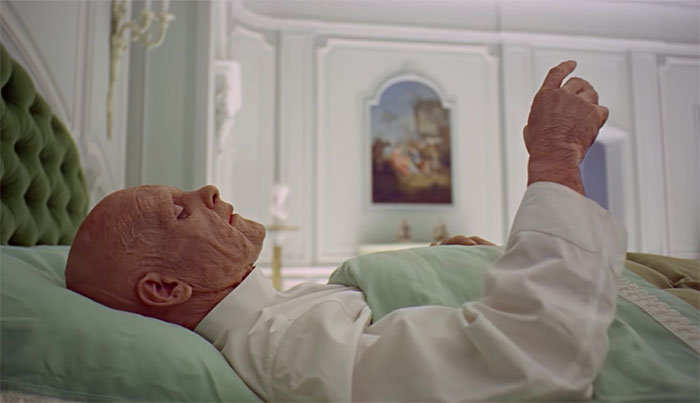
The Ending of 2001 Space Odyssey Explained

2001 Space Odyseey

Gelmis: Did you deliberately try for ambiguity as opposed to a specific meaning for any scene or image?

Kubrick: No, I didn’t have to try for ambiguity; it was inevitable. And I think in a film like 2001, where each viewer brings his own emotions and perceptions to bear on the subject matter, a certain degree of ambiguity is valuable, because it allows the audience to “fill in” the visual experience themselves. In any case, once you’re dealing on a nonverbal level, ambiguity is unavoidable. But it’s the ambiguity of all art, of a fine piece of music or a painting — you don’t need written instructions by the composer or painter accompanying such works to “explain” them. “Explaining” them contributes nothing but a superficial “cultural” value which has no value except for critics and teachers who have to earn a living. Reactions to art are always different because they are always deeply personal.

Read more The Ending of 2001 Space Odyssey Explained
Quotes

Reading Between The Lines – ‘Doors of Perception’

Doors of Perception

We live together, we act on, and react to, one another; but always and in all circumstances we are by ourselves. The martyrs go hand in hand into the arena; they are crucified alone. Embraced, the lovers desperately try to fuse their insulated ecstasies into a single self-transcendence; in vain. By its very nature every embodied spirit is doomed to suffer and enjoy in solitude. Sensations, feelings, insights, fancies—all these are private and, except through symbols and at second hand, incommunicable. We can pool information about experiences, but never the experiences themselves. From family to nation, every human group is a society of island universes.”

― Aldous Huxley, The Doors of Perception

Read more Reading Between The Lines – ‘Doors of Perception’

What “Rosebud” Really Meant in Citizen Kane

Citizen Kane

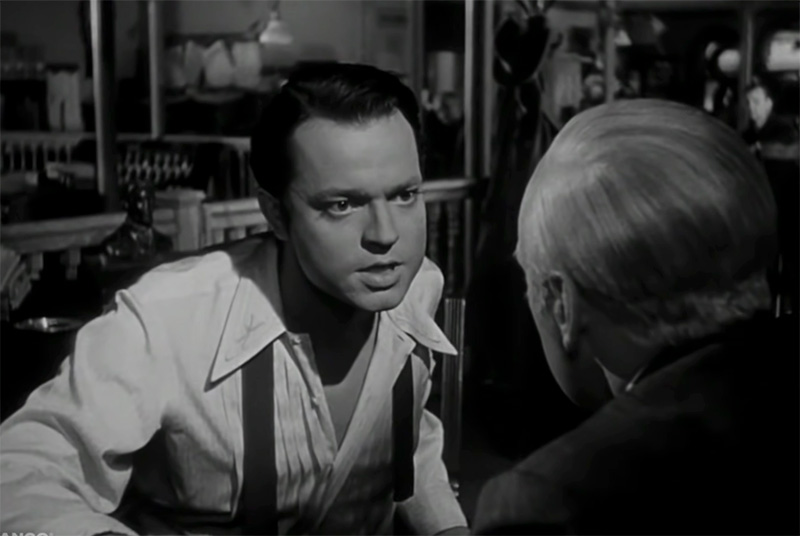
Orson Welles’ “Citizen Kane” is a film that has been pored over and dissected by critics and audiences alike since its release in 1941. At the heart of its labyrinthine narrative lies a single word—Rosebud—a cryptic utterance from the dying Charles Foster Kane that frames the entire film. This enigmatic term has become a symbol of cinematic mystery, a puzzle that the film invites us to solve. But what does “Rosebud” truly represent, and why does it continue to captivate the imaginations of viewers more than eighty years later?

Read more What “Rosebud” Really Meant in Citizen Kane

AI Reimagines ‘Game of Thrones’ In The Style of ‘Friends’ And It’s Actually Brilliant

Game of Thrones as Friends

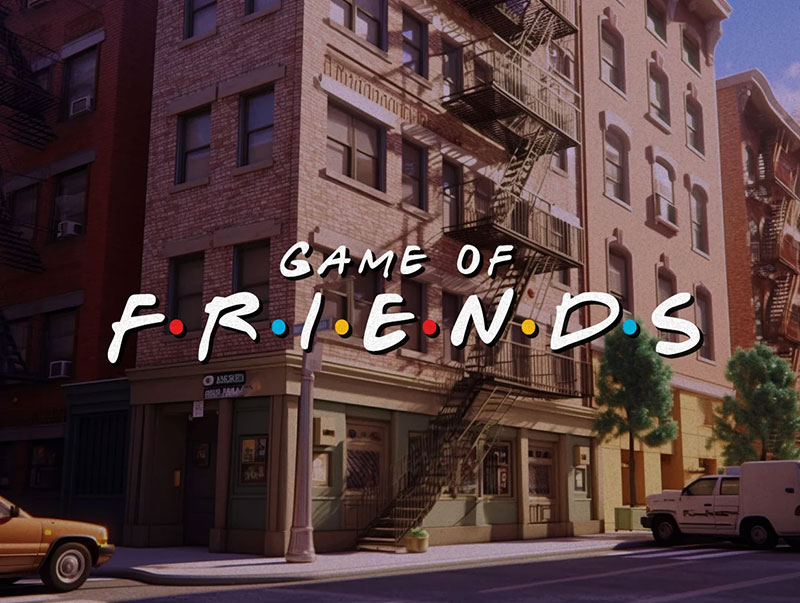
While the AI-generated art debate rages on, some are taking it in a more harmless fun direction by making imagined shows with existing casts. That’s what Reddit user u/reddimatz did at least, reimagining Game of Thrones as a Friends-style sitcom. While some important characters are noticeably missing (This Jaqen H’ghar disrespect WILL NOT stand), the others are a pretty on-point interpretation, terrible nineties fashion and all.

Read more AI Reimagines ‘Game of Thrones’ In The Style of ‘Friends’ And It’s Actually Brilliant
Quotes

Reading Between The Lines – ‘Kafka on the Shore’

“Sometimes fate is like a small sandstorm that keeps changing directions. You change direction but the sandstorm chases you. You turn again, but the storm adjusts. Over and over you play this out, like some ominous dance with death just before dawn. Why? Because this storm isn’t something that blew in from far away, something that has nothing to do with you. This storm is you. Something inside of you. So all you can do is give in to it, step right inside the storm, closing your eyes and plugging up your ears so the sand doesn’t get in, and walk through it, step by step. There’s no sun there, no moon, no direction, no sense of time. Just fine white sand swirling up into the sky like pulverized bones. That’s the kind of sandstorm you need to imagine.

And you really will have to make it through that violent, metaphysical, symbolic storm. No matter how metaphysical or symbolic it might be, make no mistake about it: it will cut through flesh like a thousand razor blades. People will bleed there, and you will bleed too. Hot, red blood. You’ll catch that blood in your hands, your own blood and the blood of others.

And once the storm is over you won’t remember how you made it through, how you managed to survive. You won’t even be sure, in fact, whether the storm is really over. But one thing is certain. When you come out of the storm you won’t be the same person who walked in. That’s what this storm’s all about.”

― Haruki Murakami, Kafka On The Shore

Read more Reading Between The Lines – ‘Kafka on the Shore’

Stuff We Found Around The Internet Today

All 95 Best Picture Oscar Winners, Ranked – Collider

The Only Guide to Female Orgasm You’ll Ever Need for Peak Pleasure – Hum

Stop Believing These Longevity Myths to Live a Longer, Healthier, and Happier Life – Prevention

Millennials 30 & Up Are Sharing The Best Piece Advice Every Young Person Should Know – Ruin My Week

25 Insanely Cool Gadgets That You Didn’t Know You Needed (You Haven’t Seen These Before)
– Trending Guides

How to Cook Salmon So It Always Comes Out Perfectly – Epicurious

The Wizard of Oz: Five Appalling On-Set Stories – Vanity Fair

Dakota Johnson Addresses Madame Web Failure With Brutally Honest Words – Den of Geek

The U.S. sharply limits how much credit cards can charge you in late fees – NPR

A Week In New York On A $49,000 Salary – Refinery 29

Quotes

Reading Between The Lines – ‘Great Expectations’

Great Expectations

I loved her against reason, against promise, against peace, against hope, against happiness, against all discouragement that could be.

― Great Expectations, Charles Dickens


This quote comes from Charles Dickens’s novel “Great Expectations,” published in 1861. The speaker is Pip, the protagonist of the story, who is expressing his deep and enduring love for Estella.

Estella is a beautiful but emotionally distant woman whom Pip has loved since childhood, despite her being raised to break men’s hearts as part of Miss Havisham’s revenge against the male gender for her own jilted love.

Read more Reading Between The Lines – ‘Great Expectations’

Reading Between The Lines – ‘Chungking Express’

Chungking Express

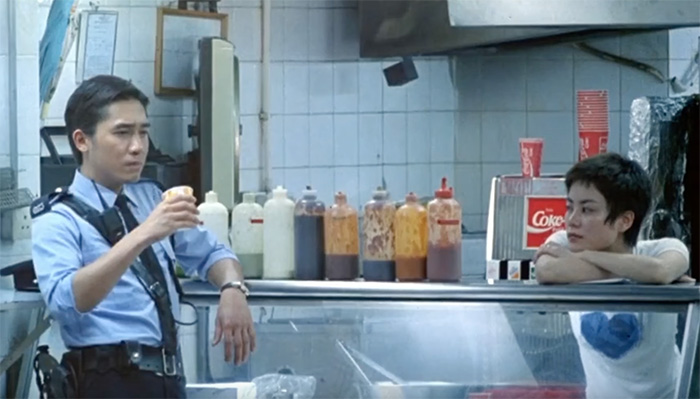
Wong Kar Wai’s “Chungking Express” intricately weaves a narrative that delves into the emotional labyrinth of love, presenting a story that is as multifaceted as love itself.

Through the interconnected lives of its characters—Ho Chi Moo, Cop 663, and Faye—this cinematic masterpiece explores the cyclical nature of love, from the depths of despair to the heights of newfound affection, and everything in between.

Read more Reading Between The Lines – ‘Chungking Express’

12 Green Flags That Your Relationship Has Long-Term Potential

1. You go on a road trip together and still like each other at the end of it. Traveling together in general is a great test of a relationship. Packing, airports, cabs, foreign languages, etc. Being able to navigate all the potentially stressful aspects of traveling and still have a good time together is a huge green flag in my opinion.

Read more 12 Green Flags That Your Relationship Has Long-Term Potential
Quotes

Reading Between the Lines – ‘The Grapes of Wrath’

The Grapes of Wrath

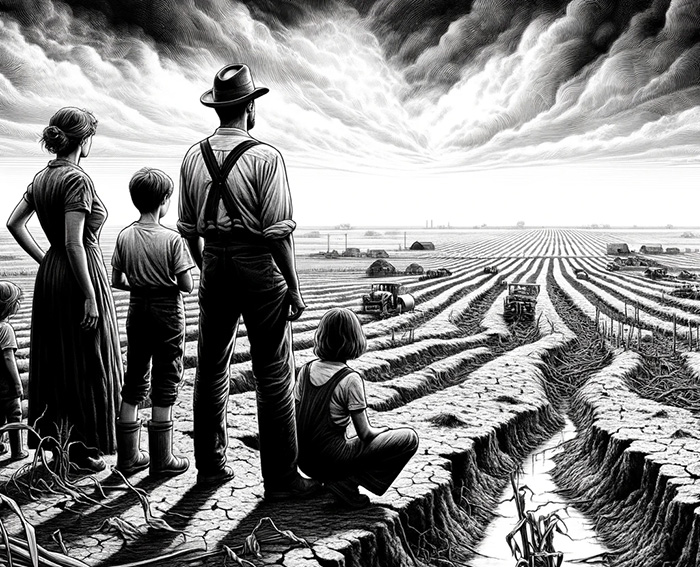
Men stood by their fences and looked at the ruined corn, drying fast now, only a little green showing through the film of dust. The men were silent and they did not move often. And the women came out of the houses to stand beside their men—to feel whether this time the men would break. The women studied the men’s faces secretly, for the corn could go, as long as something else remained. The children stood near by, drawing figures in the dust with bare toes, and the children sent exploring senses out to see whether men and women would break. The children peeked at the faces of the men and women, and then drew careful lines in the dust with their toes.

Read more Reading Between the Lines – ‘The Grapes of Wrath’
Skip to content