Joaquín Sorolla – Mother (1895-1900)

Get Smarter Everyday


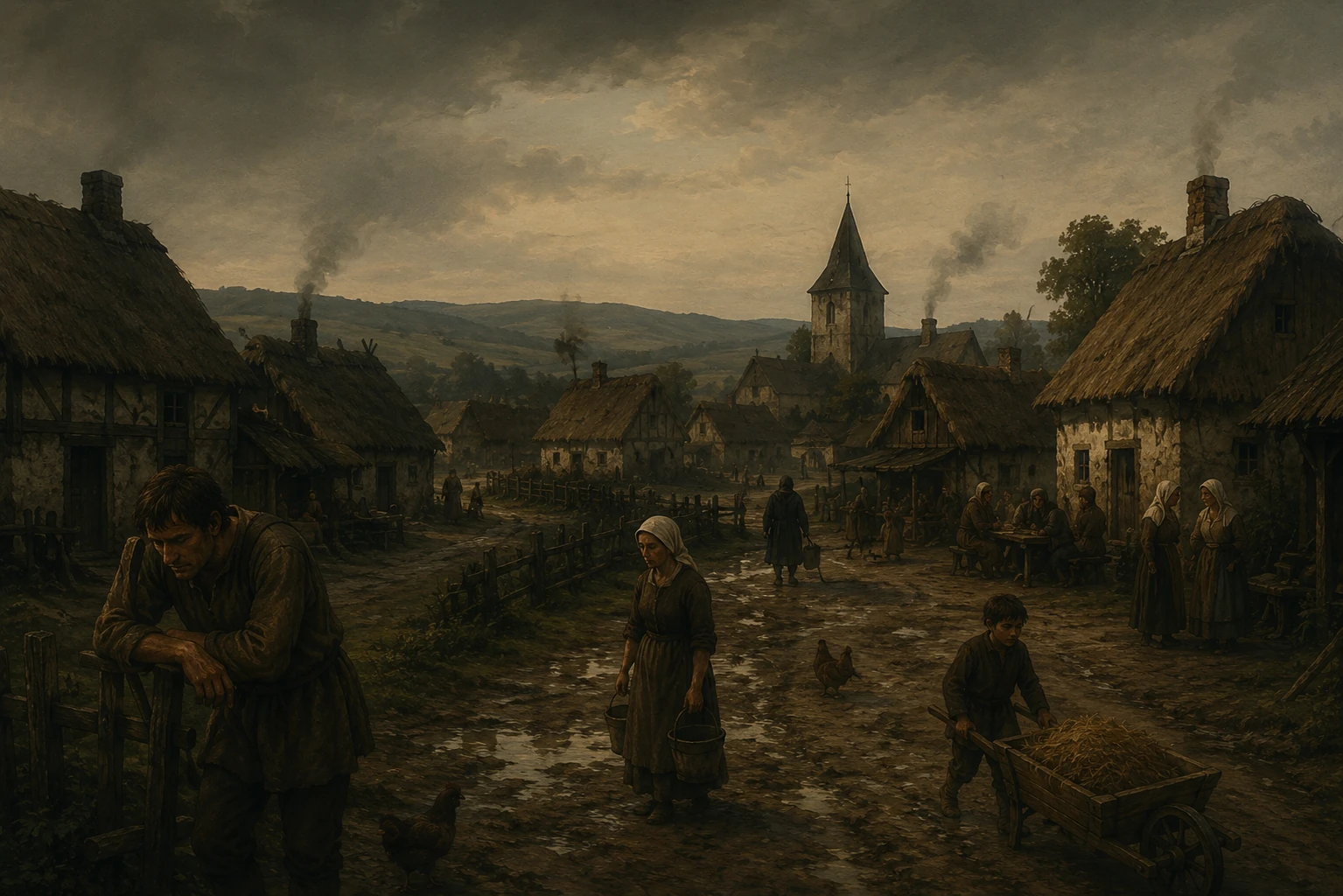
For most of the Middle Ages, being a peasant was simply what it meant to be a person—around 85 percent of everyone alive worked the land, one hard year away from ruin.
It was rarely the dramatic dangers that killed them, but the harvest that failed, the dues that came due anyway, the small wound that turned bad. Survival was a matter of judgment: what to store and what to spend, whom to rely on, which risks were worth taking. Each scenario drops you into a villein’s shoes over a single hard year. Pick the choice you think gives you the best odds of seeing the next harvest—and find out whether you’d have made it.


When people talk about giant corporations, the conversation usually turns into a contest to name the worst ones. But a recent Reddit thread flipped the question on its head by asking something much more interesting: Which large companies have managed to become successful without becoming terrible?


Above 26,000 ft (8,000 meters), the human body is dying. There is not enough oxygen to sustain life, only to delay its ending, and every hour spent there draws down a reserve that cannot be refilled.
Most climbers who die on Everest do not fall. They run out of time. About six in ten deaths happen on the way down, when the summit has already been won and the mountain collects what it is owed.
This quiz isn’t about gear or elevation records. It’s about judgment, in the one place on earth where your brain is too starved of oxygen to make good decisions. Each scenario puts you in the Death Zone facing choices real climbers have faced. Pick the option you think gets you home—and find out whether you’d have come down that mountain.
