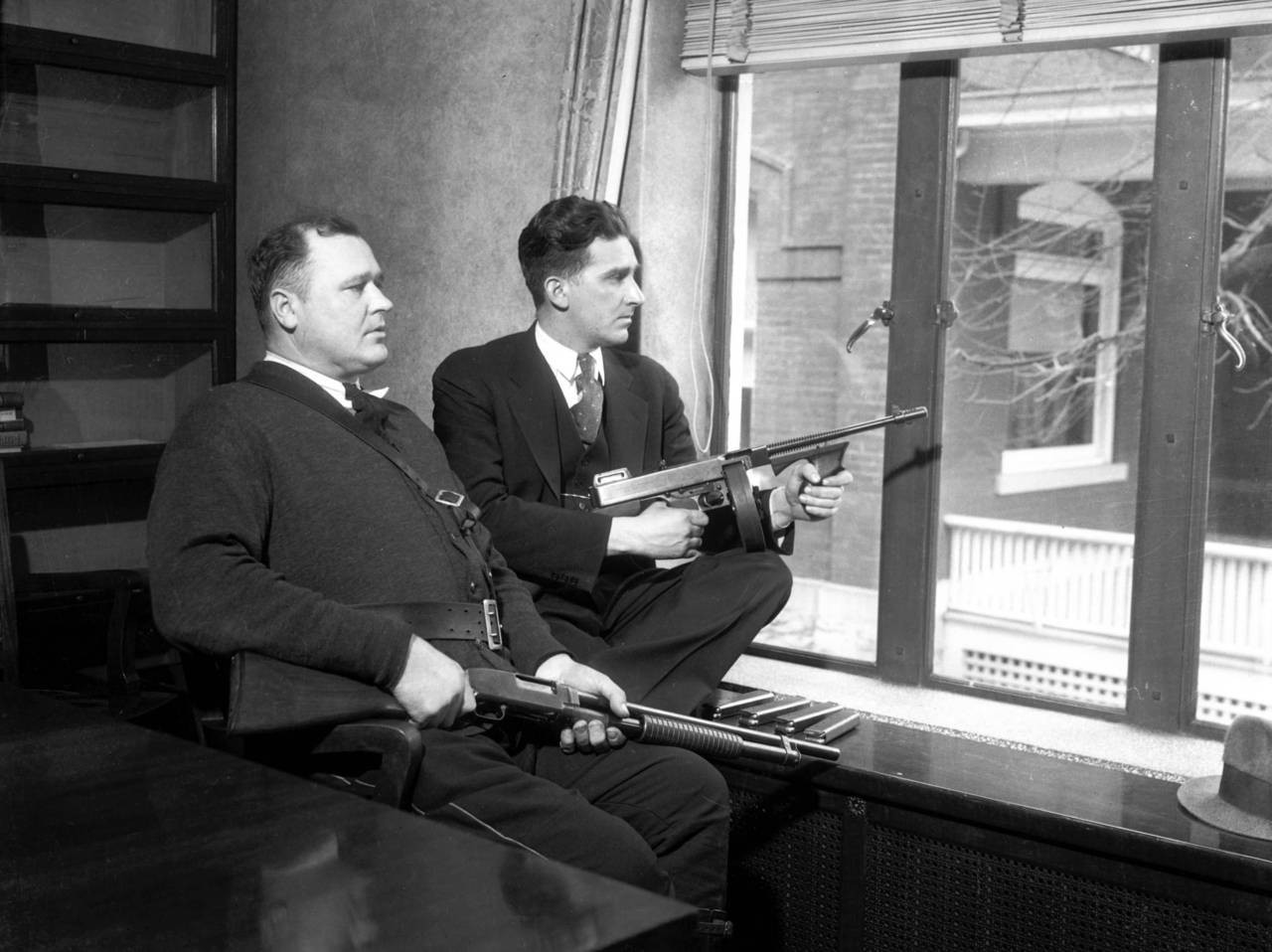
Heavily armed guards surround the court house and jail, housing John Dillinger, fearful that Dillinger’s gang would try to rescue their leader. Jan 30, 1934
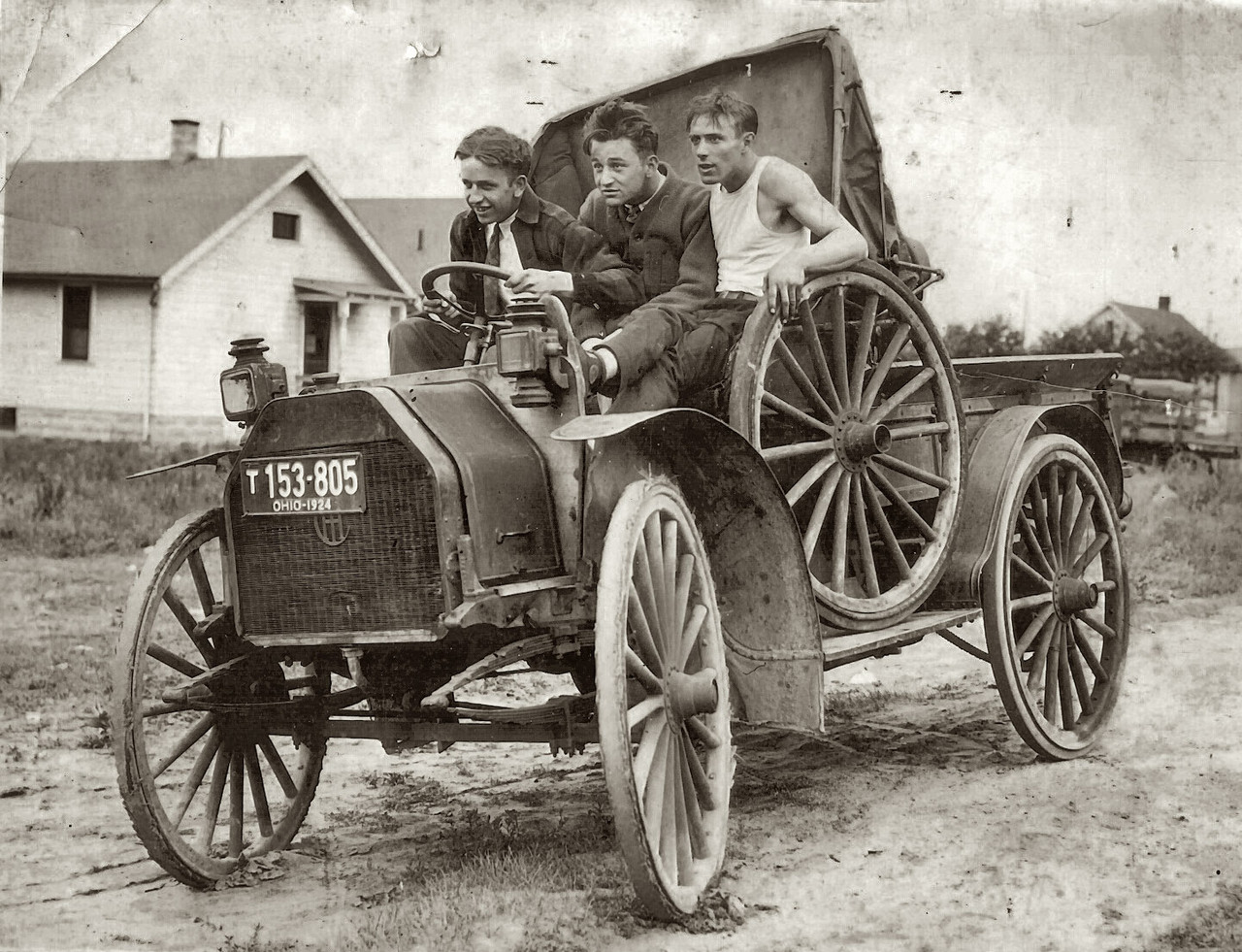
Three friends take a joyride on their “new” vehicle, Ohio, circa 1924
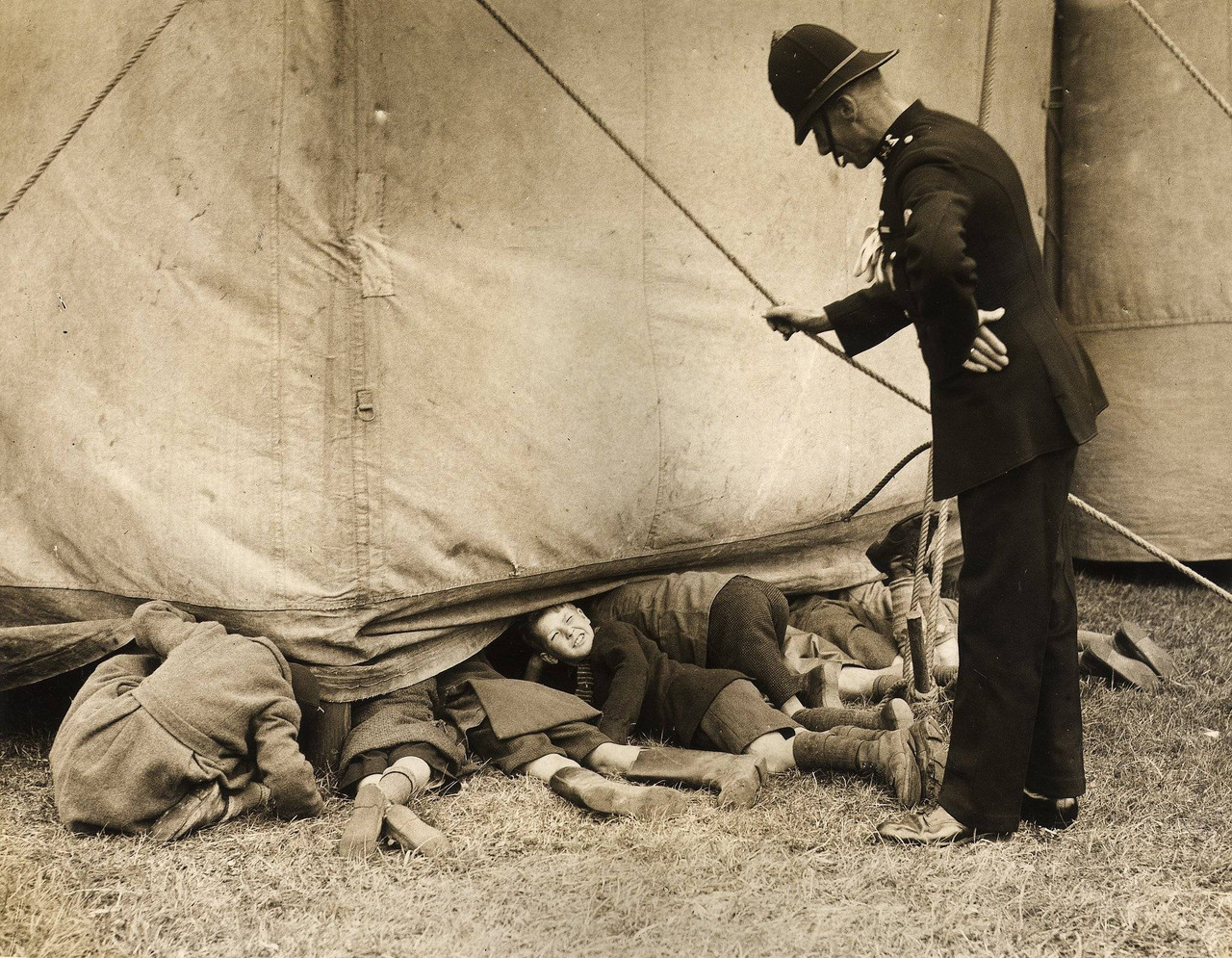
A policeman catches a group of boys sneaking a look at the rehearsals of the Bertram Mills Circus in Luton, England, 15th April 1938
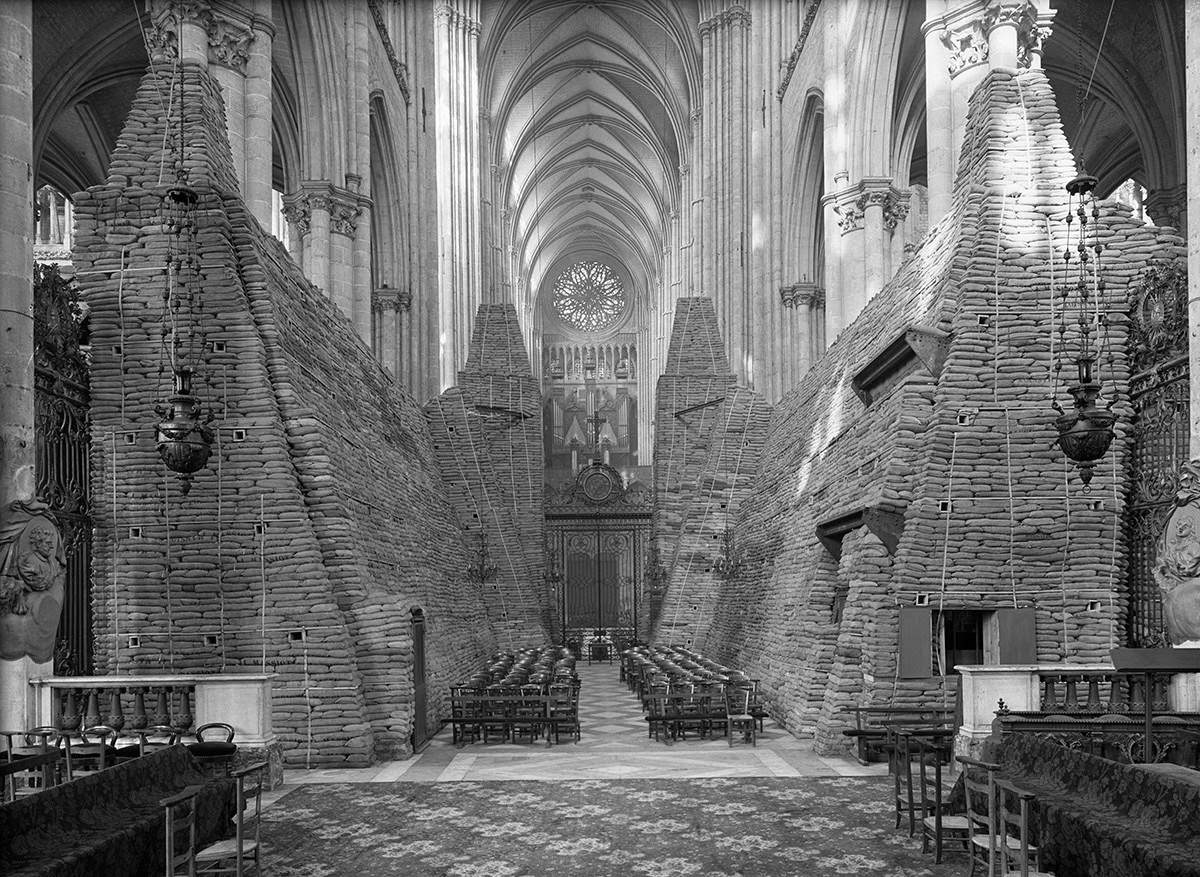
The cathedral of Amiens during WW II
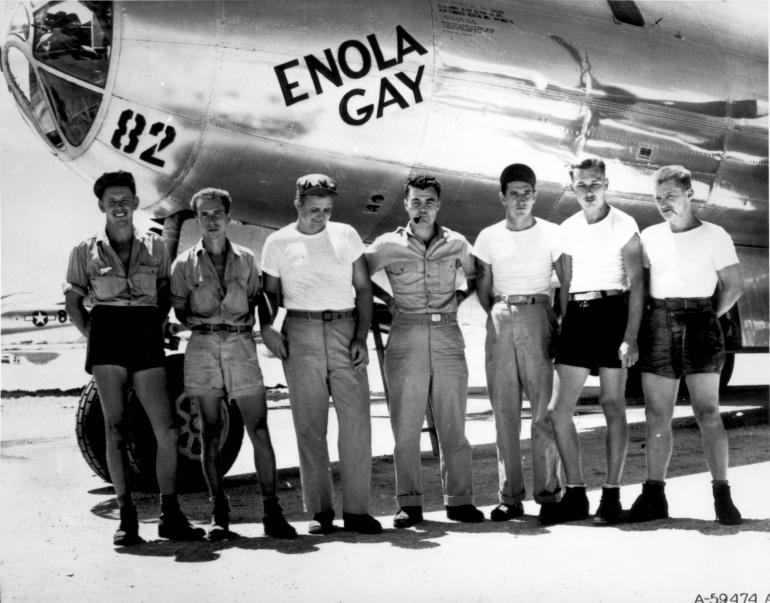
Enola Gay crew that dropped an atomic bomb on Hiroshima 1945
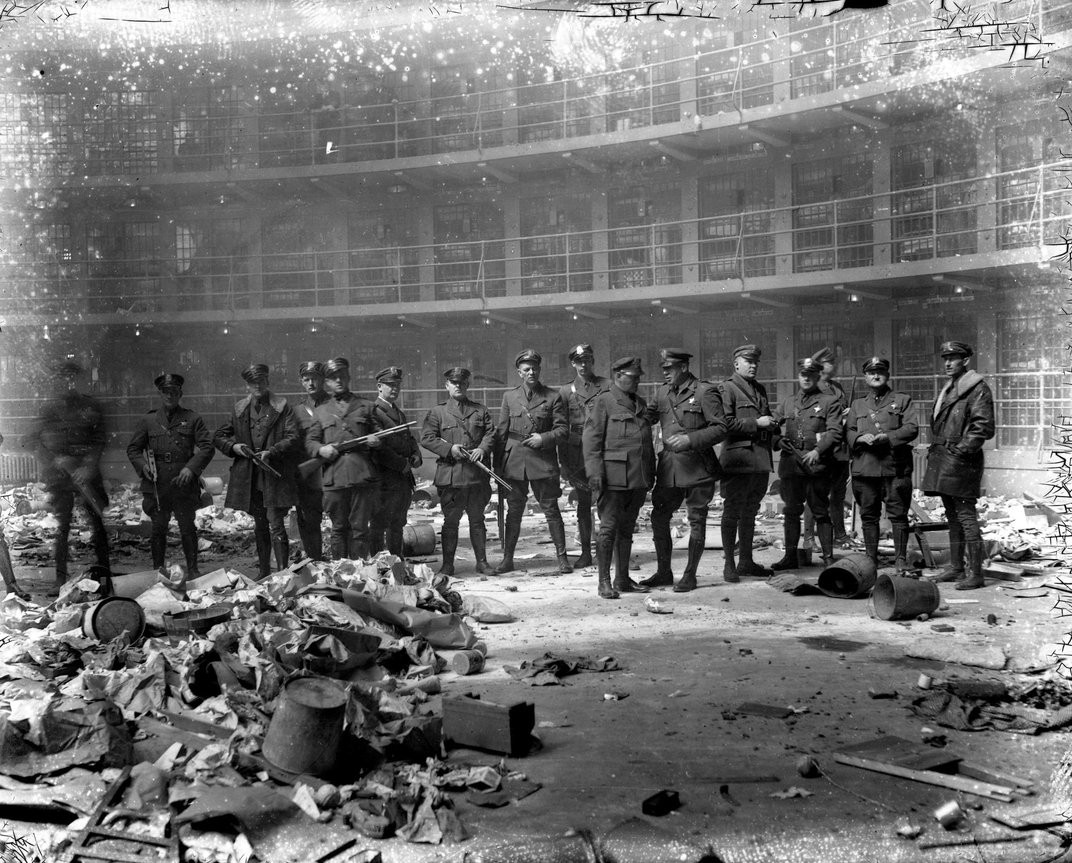
State Highway Policemen are Dispatched to Restore Order after Convicts Rioted in Stateville Prison, Joliet, Illinois, 1931
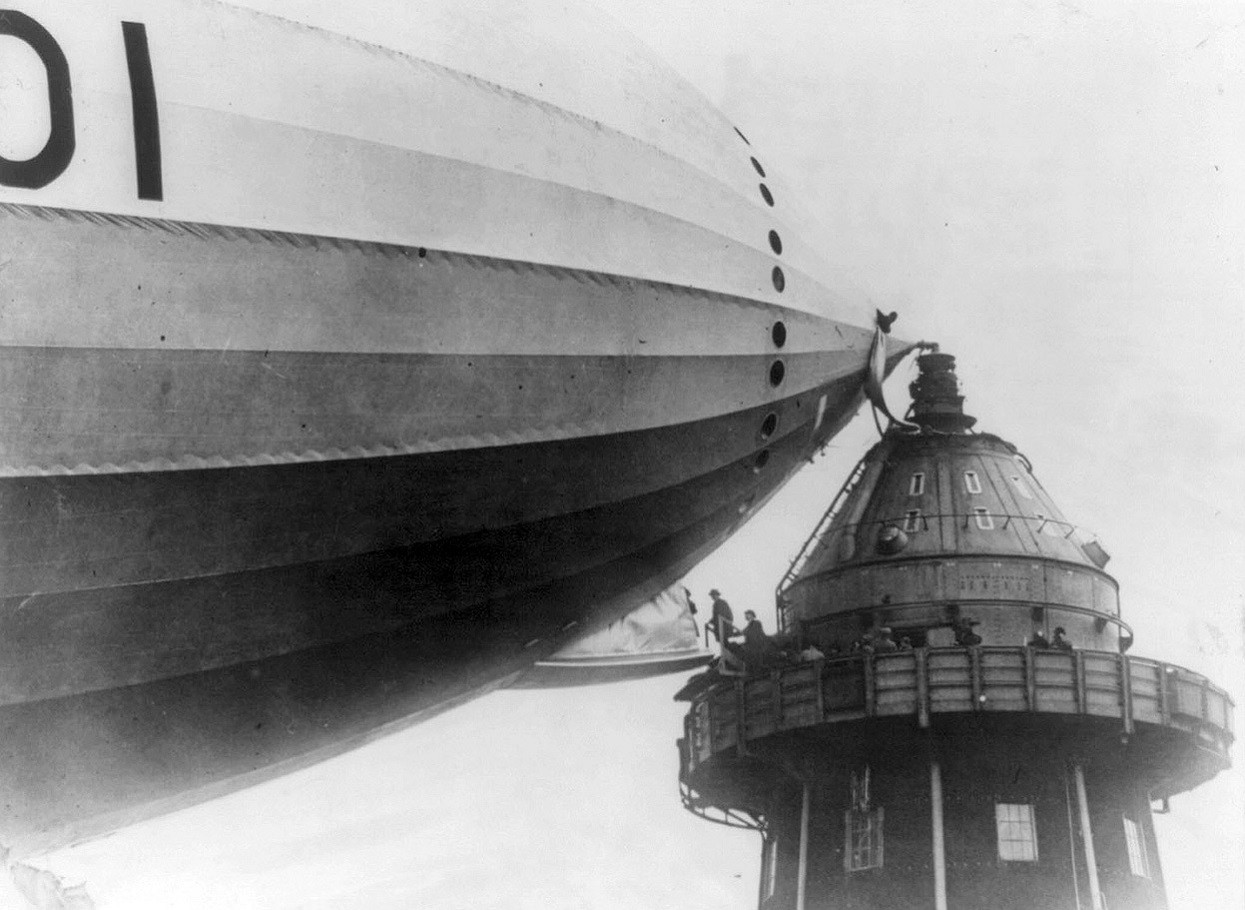
Passengers boarding British airship R101 (1929/1930)
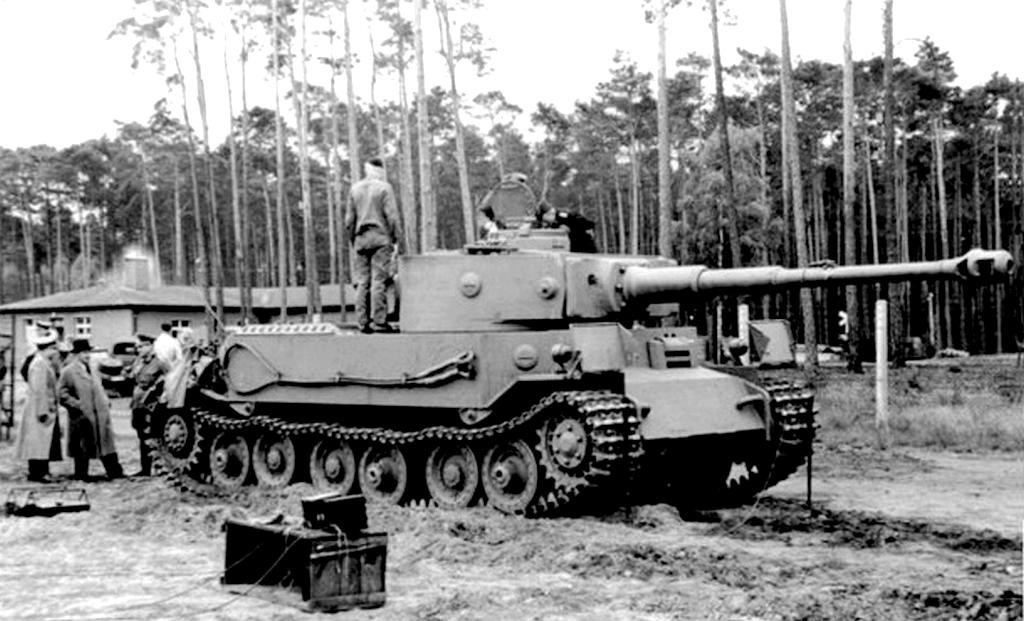
Ferdinand Porsche’s Tiger tank design, which was not selected by the Wehrmacht Circa 1942
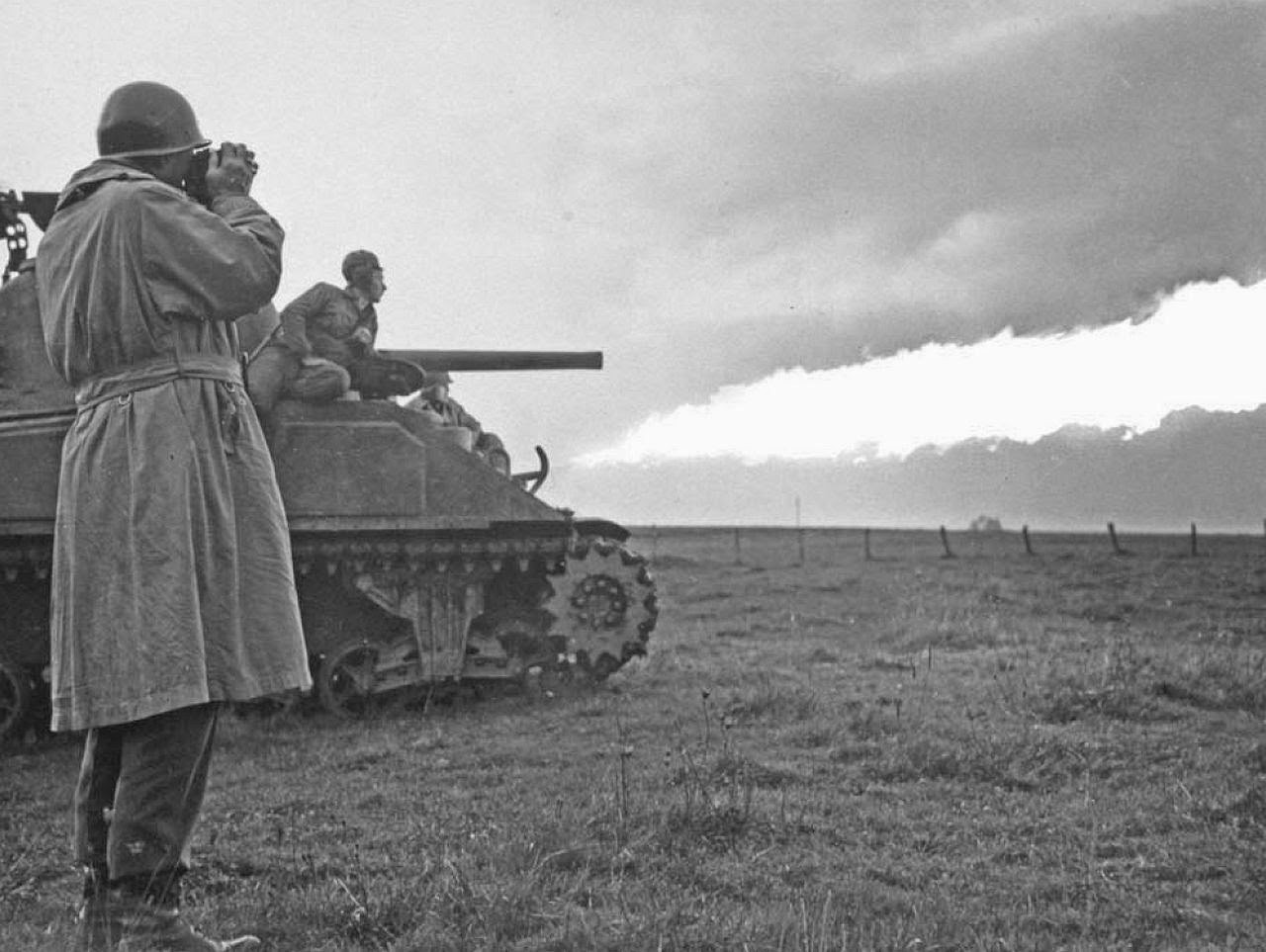
Lt. Gen George S. Patton snaps a photo during a demonstration of an E4-5 auxiliary flamethrower on October 25, 1944. Patton was not especially enthusiastic about the American flamethrower, said it was not hot enough
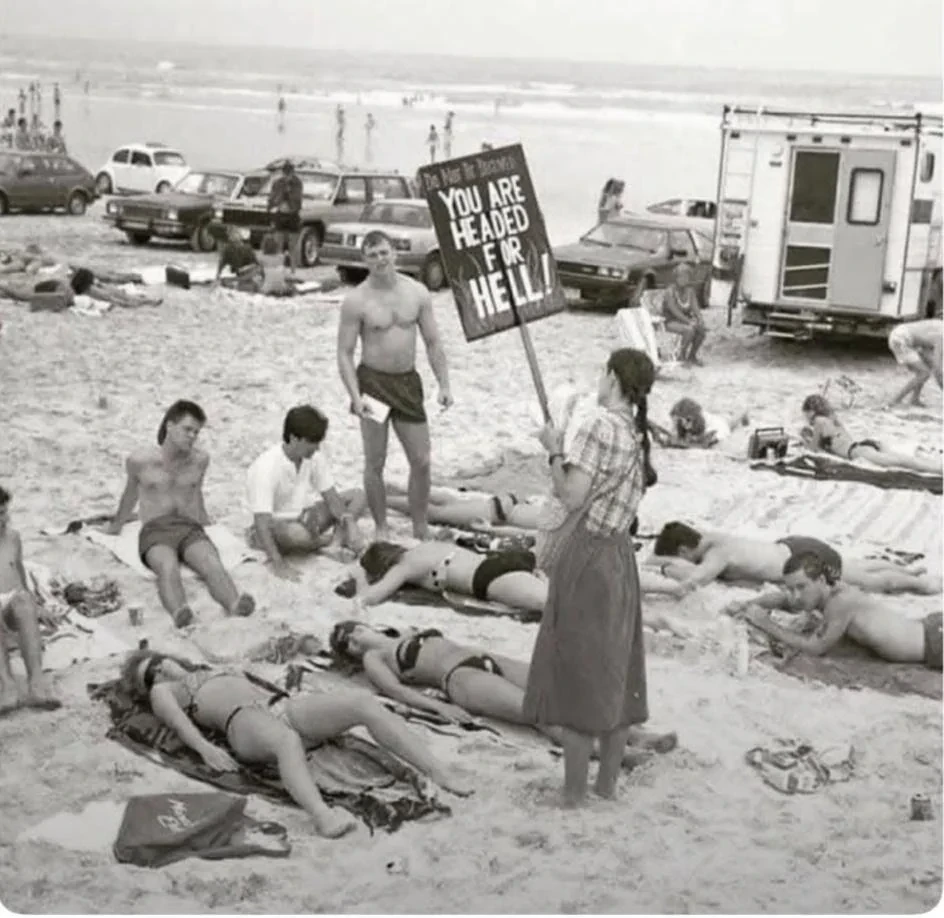
A woman protests against the wearing of bikinis, in Daytona Beach, Florida, 1981
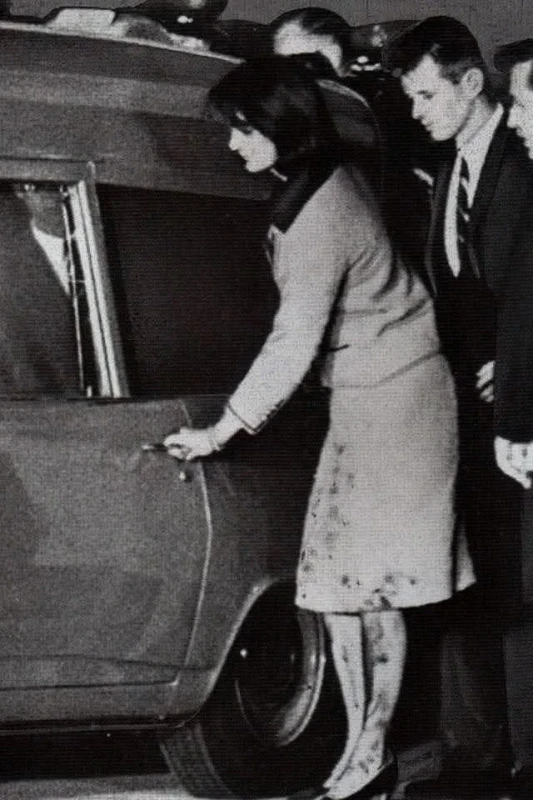
Let them see what they’ve done to Jack” – Jacqueline Kennedy (11/22/1963)
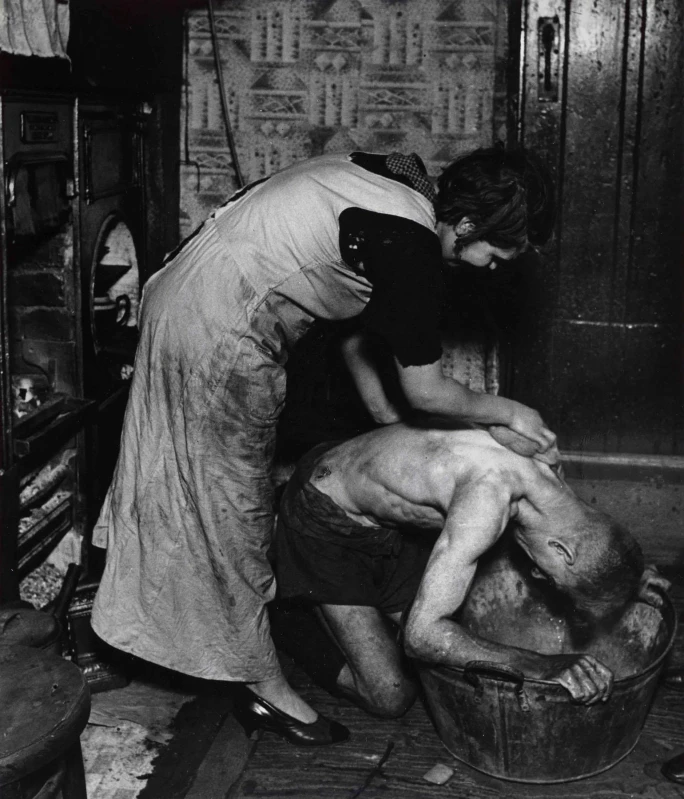
Coal-Miner’s Bath, Chester-le-Street, Durham 1937.
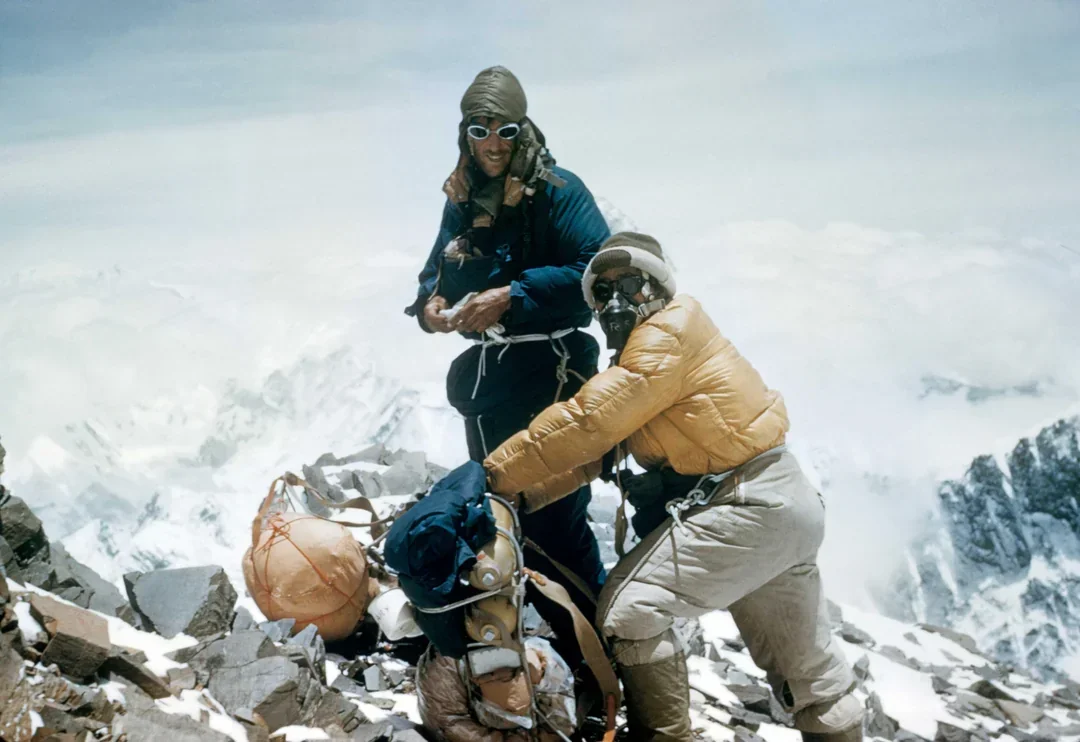
Edmund Hillary and Tenzing Norgay complete the first confirmed ascent of Mount Everest on 29 May 1953.
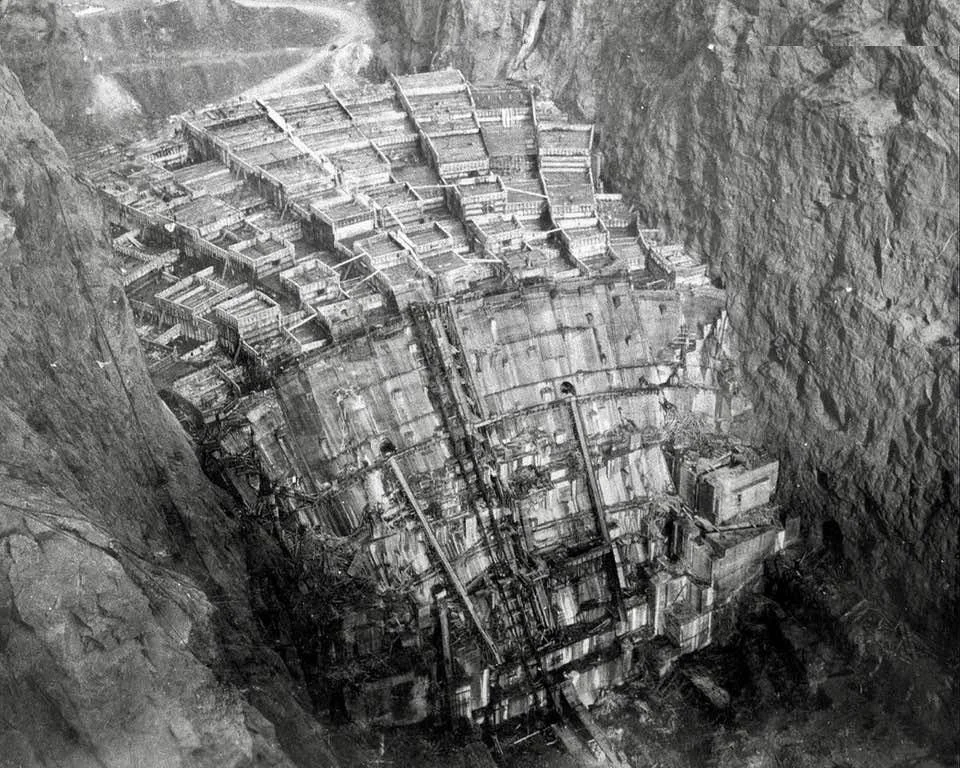
The Hoover Dam under construction, February 1934
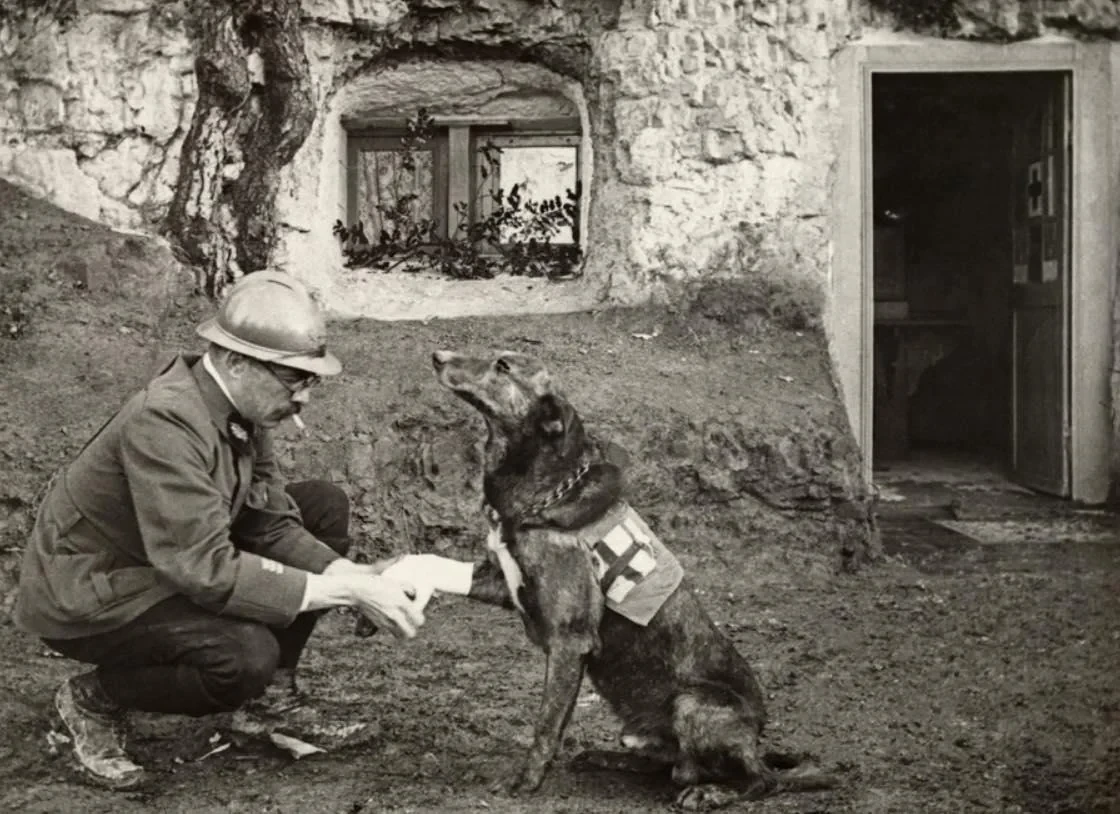
A WWI Allied soldier bandages the paw of a Red Cross working dog in Flanders, Belgium, 1917
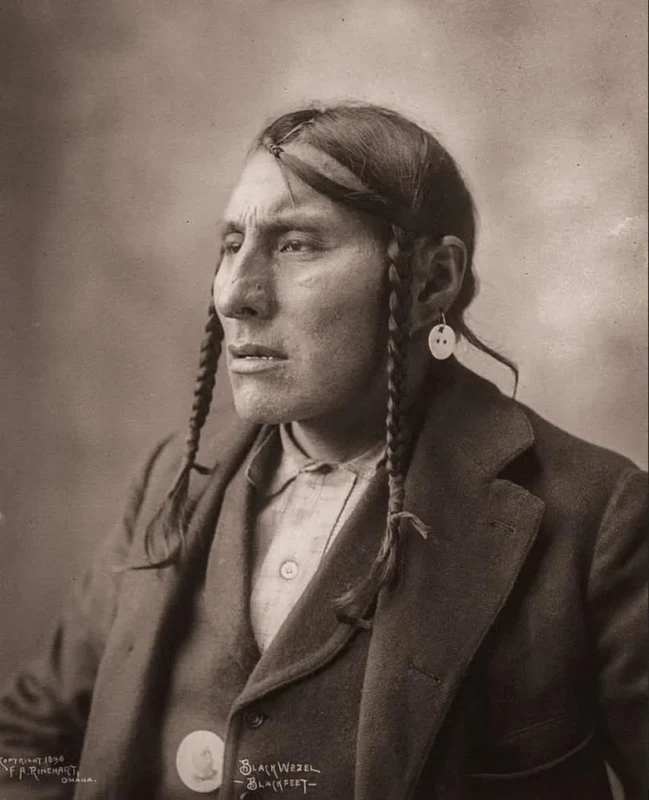
Black Weasel, blackfoot, (1898)
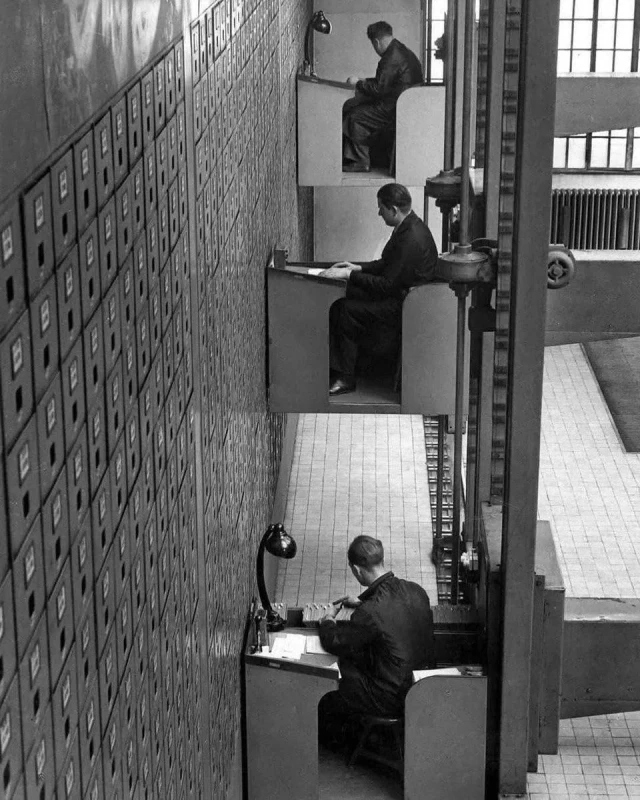
File clerks working at their electric elevator desks in Prague, former Czechoslovakia, 1937
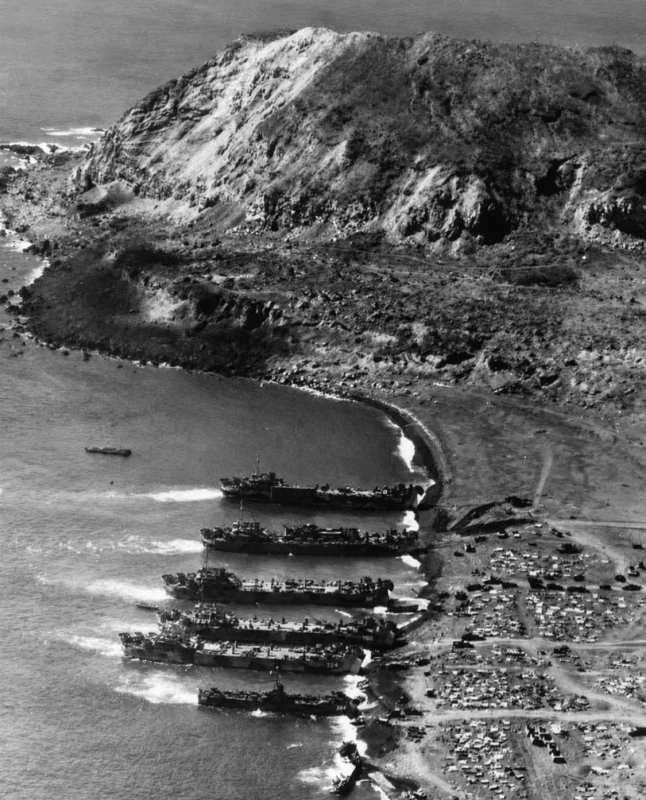
US forces landing on the shores of Iwo Jima. February (1945)
Family Takes a “CARE” Package Home, Berlin, Germany, 1946
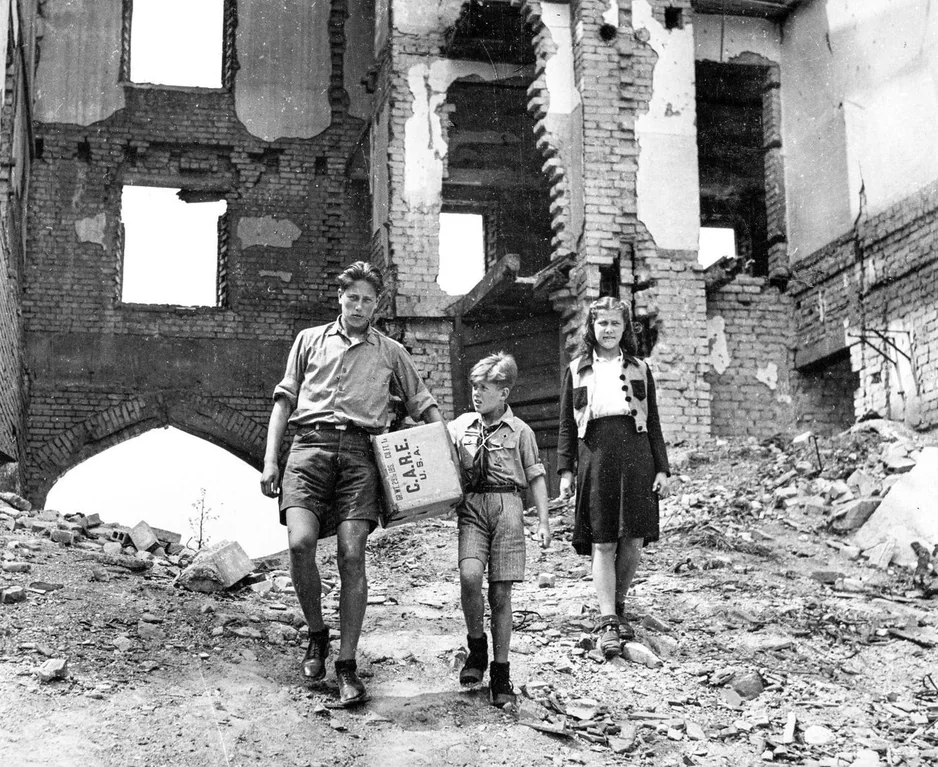
In 1945, Arthur Ringwald and Dr. Lincoln Clark approached 22 American charitable organizations with the idea of creating a non-profit corporation to send food packages to Europe. Searching for a name that made a sensible acronym, Clark’s wife, Alice, suggested “Cooperative for American Remittances to Europe” — CARE.
Incorporated in November 1945, CARE first needed food to send. The leaders of CARE approached the Army and were able to acquire nearly 3 million surplus rations known as “10-in-1.” Designed to feed 10 men one day of meals, these robust rations included a variety of items otherwise almost unavailable in some parts of Europe.
What became known as CARE packages evolved over time, but the first packages included:
- One pound of beef in broth
- One pound of steak and kidneys
- Eight ounces of liver loaf
- Eight ounces of corned beef
- 12 ounces of luncheon loaf (like Spam)
- Eight ounces of bacon
- Two pounds of margarine
- One pound of lard
- One pound of fruit preserves
- One pound of honey
- One pound of raisins
- One pound of chocolate
- Two pounds of sugar
- Eight ounces of egg powder
- Two pounds of whole-milk powder
- Two pounds of coffee
The first CARE packages reached Le Havre, France, in May 1945, and the first aid deliveries arrived in Germany in August 1946. By the end of 1947, more than 200,000 CARE packages had been distributed in the city of Berlin alone.
Related Posts: