Crowd of men at Employment Office Desk During The Great Depression

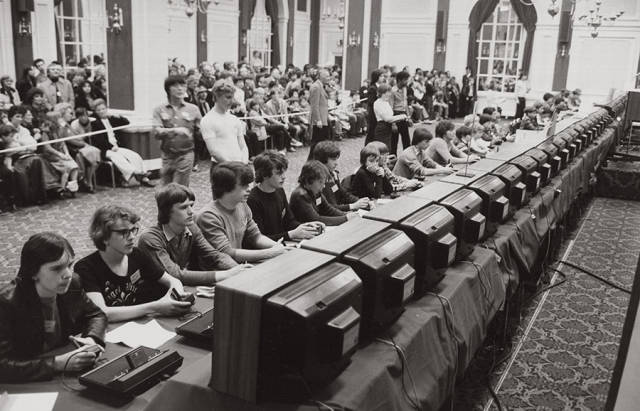
The National Space Invaders Championship held by Atari in 1980.
In 1943, French Resistance fighter Raymond Aubrac was captured and sentenced to death by the Nazis. His wife Lucie then personally led a commando raid to rescue him, killing 6 Gestapo herself. Following the war, they remained married until Lucie’s death in 2007.

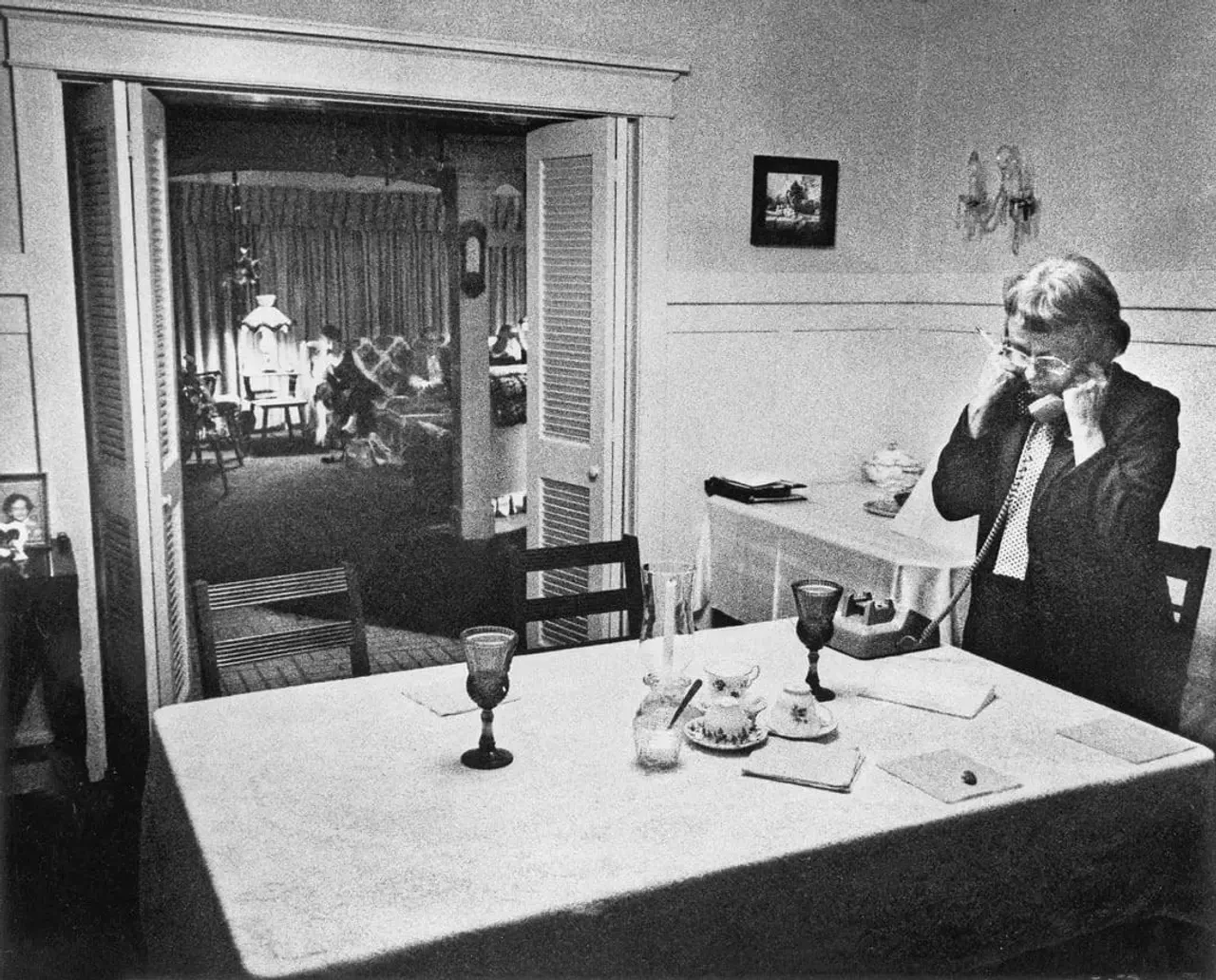
Louise Bundy, mother of serial killer Ted Bundy, wipes away a tear in her dining room in Tacoma, Washington, as she tells him over the phone, “You will always be my precious son.” He was executed minutes later at the Florida State Prison, pronounced dead at 7:16 am on January 24th, 1989.
A poor mother stands with her two children in Oklahoma. 1936..

The American Nazis – Nearly 1,000 uniformed men, wearing swastika arm bands and carrying Nazi banners ,parade past a reviewing stand in New Jersey on July 18, 1937

General Store in Santa Rosa, CA 1915

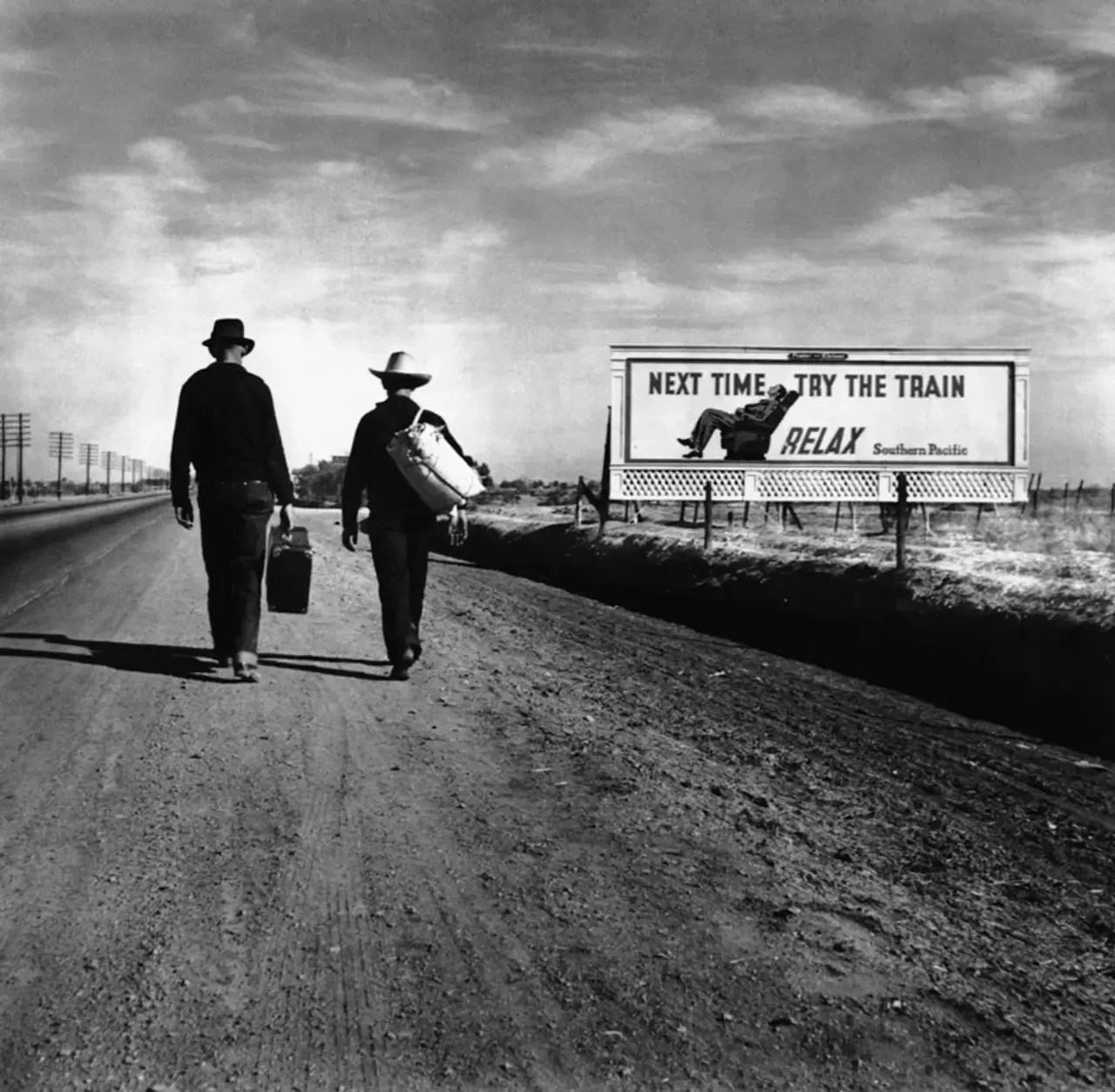
Two man head to Los Angeles fleeing dust storm devastated Oklahoma, during the period known as Dust Bowl. March 1937.
A cotton sharecropper with his family at their home in Hale County, Alabama, 1935.

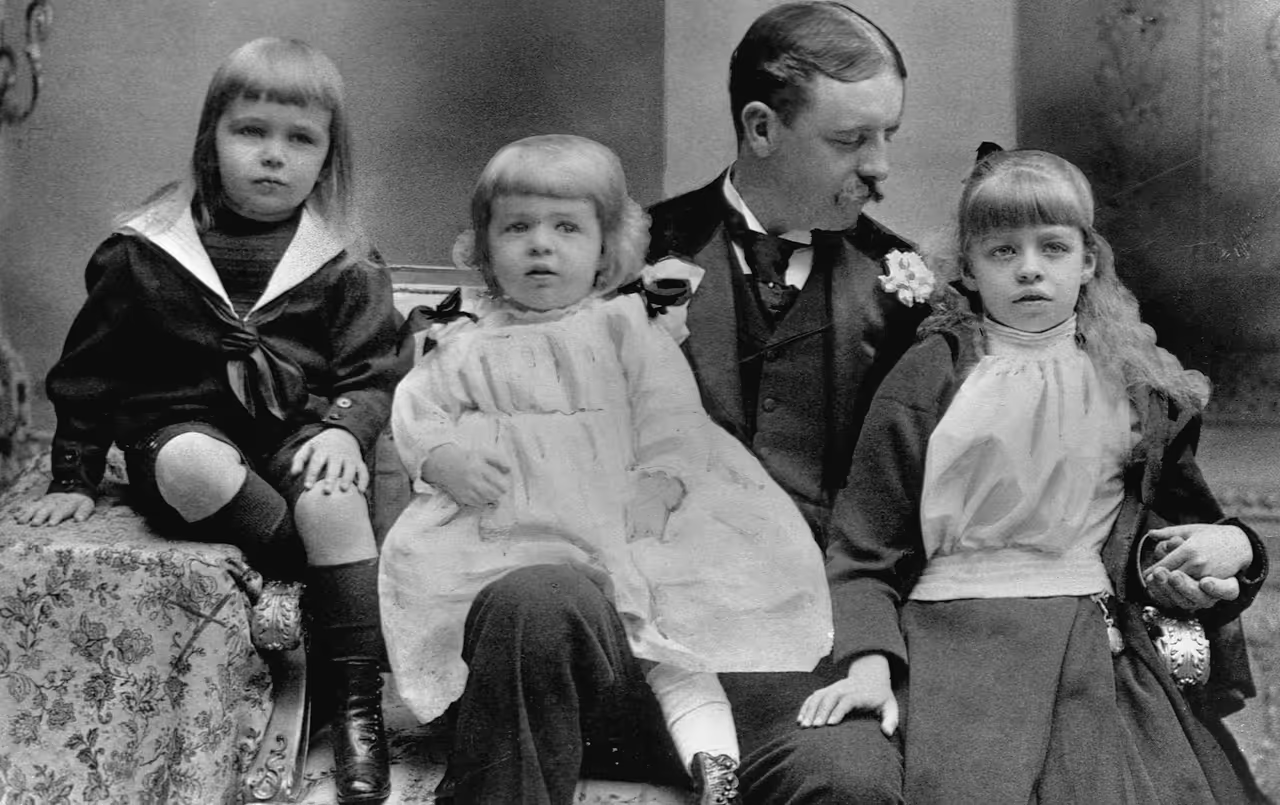
Eleanor Roosevelt as a six year old girl (right), with her father, Elliott, who died when she was eight and her two brothers, Elliott (left) and Hall Roosevelt. Ca. 1890.
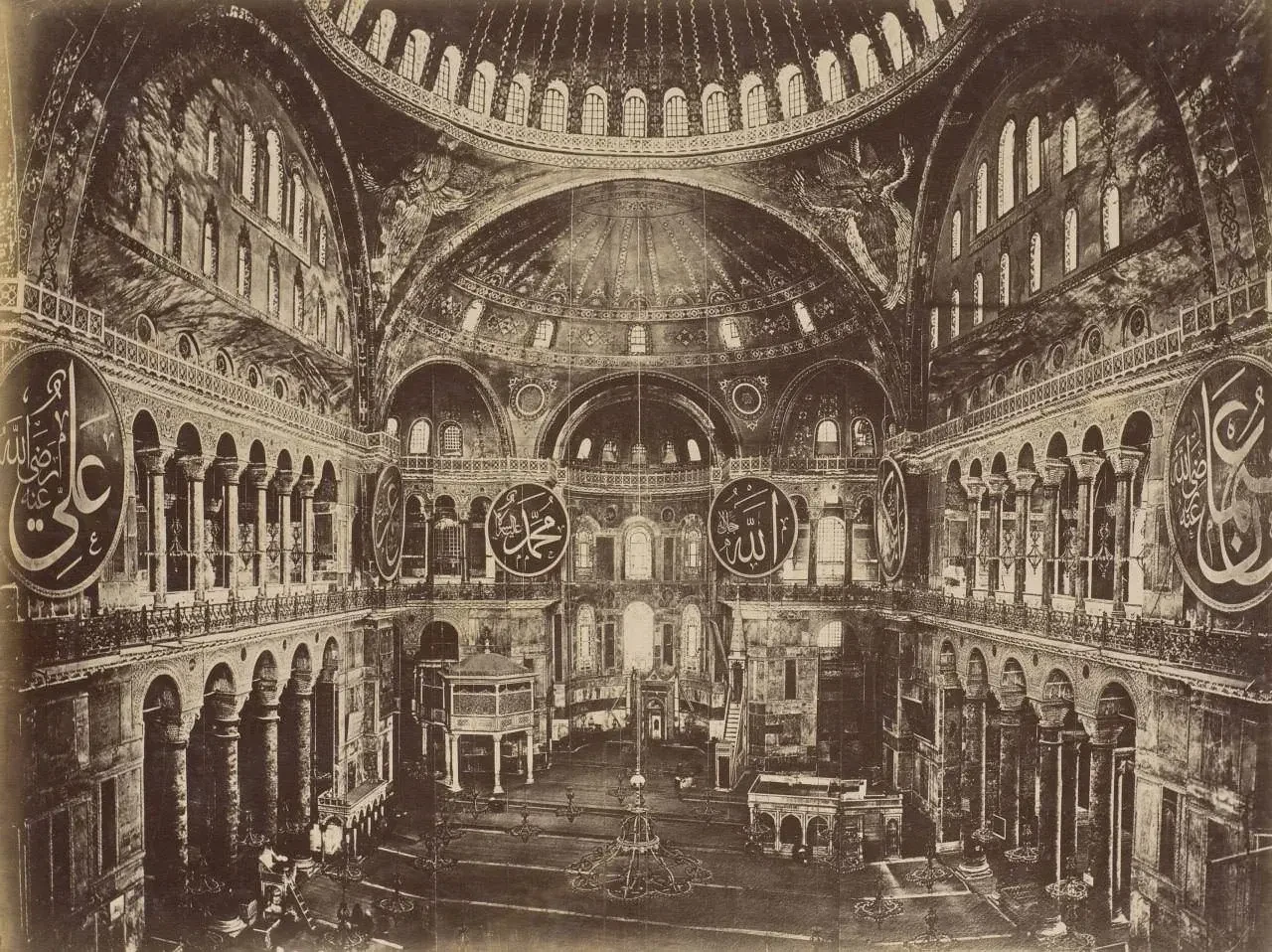
The Hagia Sophia, 1875.
Lo Manh Hung taking photos of the Vietnam war, South Vietnam youngest Photo Journalist at 12 years old, (1968)

Marilyn Monroe and Arthur Miller on the set of The Misfits (1961). Their marriage had fallen apart and they would divorce not long after the movie was finished.

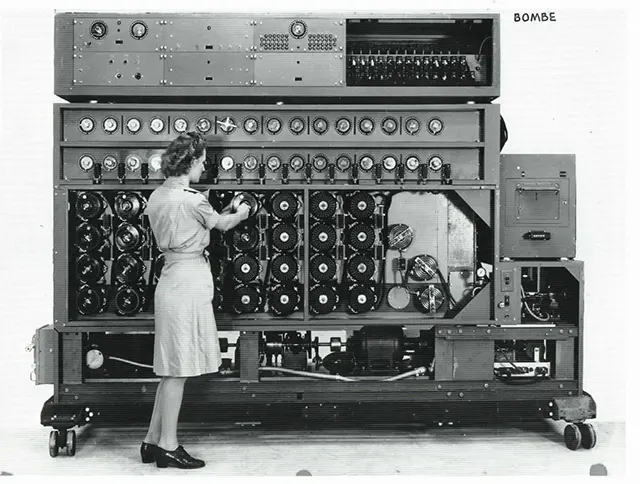
Woman working on a Bombe computing device.
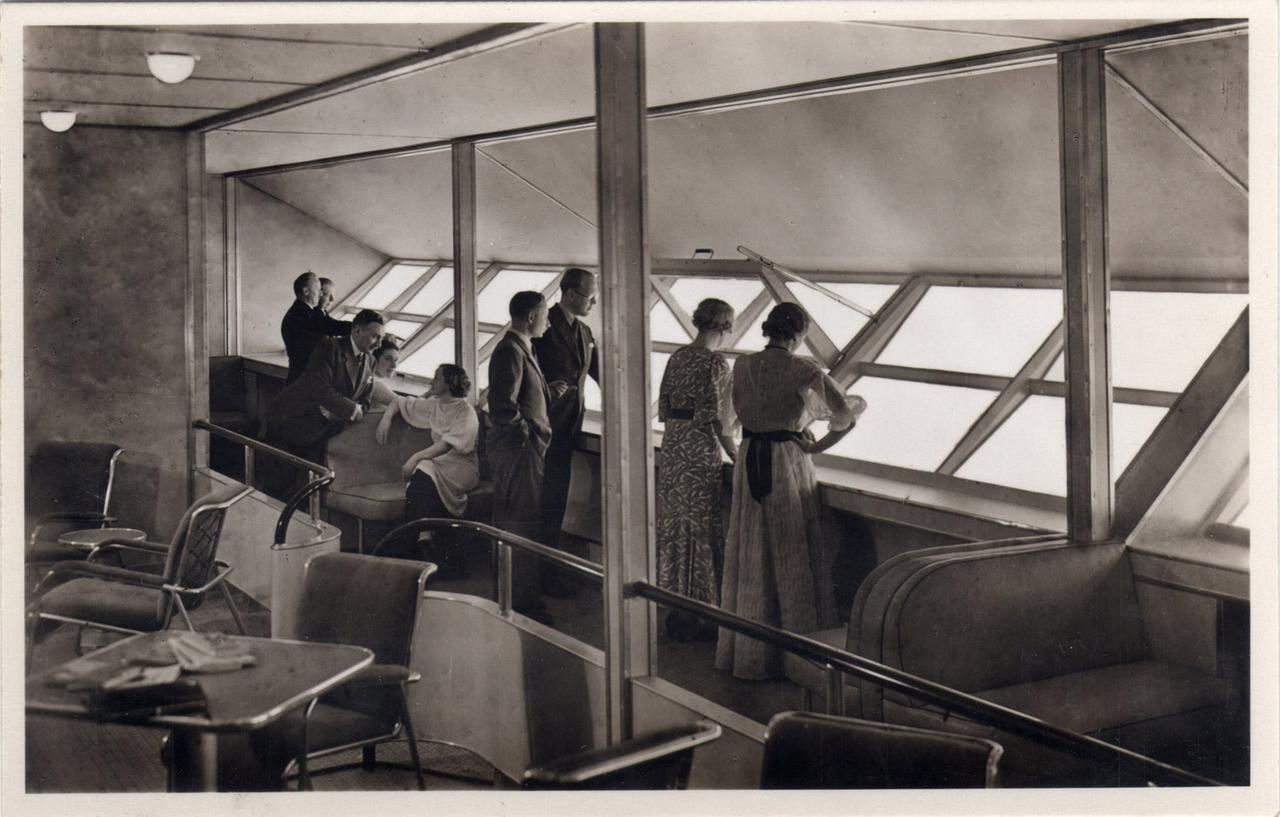
Passengers Lounge on the Airship Hindenburg
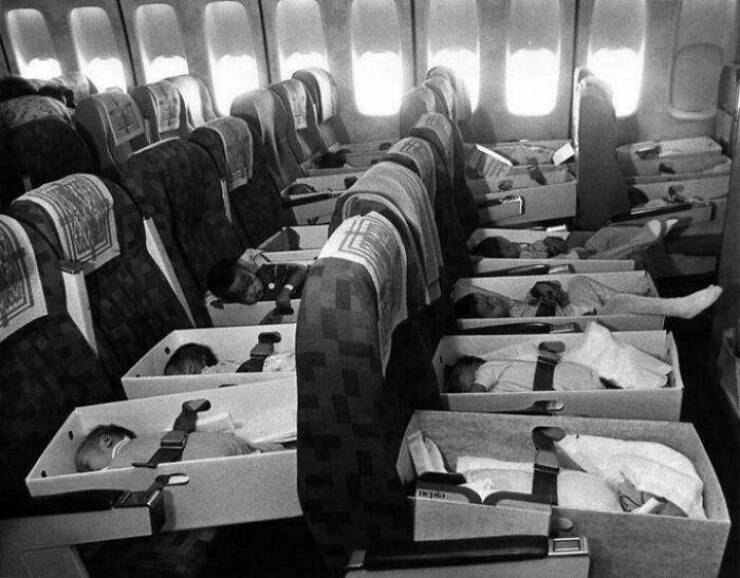
Vietnamese Babies Being Airlifted To The Us For Adoption In 1975
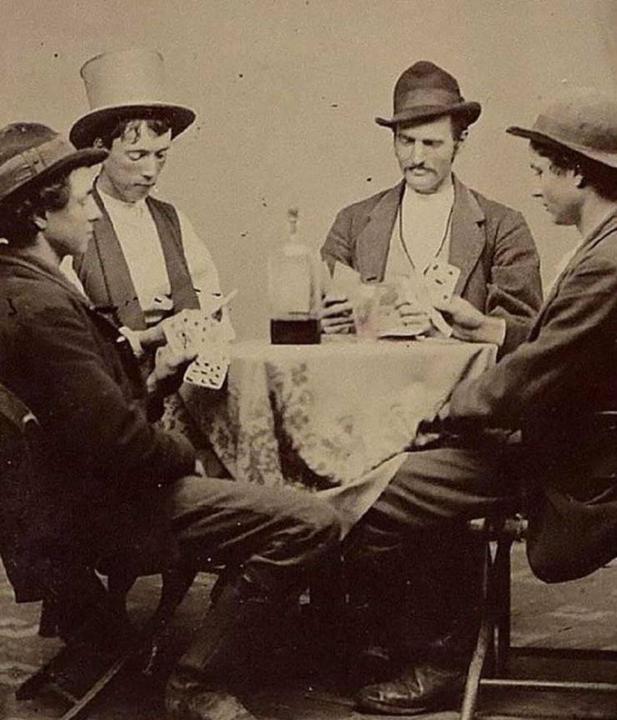
Billy the Kid (second in on left side) playing cards with his pals, 1877
A teenage Bill Clinton shakes President John F. Kennedy’s hand, Washington DC, 1963

Statue of Liberty welcoming joyous immigrants to the United States of America, 1900

Related Posts: