
You’re in the chair. The artist pulls back the needle, wipes away the excess ink, and you catch a glimpse of the outline. Something looks off.
The line seems crooked. The color looks nothing like the swatch you agreed on. Your stomach drops.
That’s the moment the fear hits, the one every client dreads. The artist hasn’t even finished the first pass, and you’re already wondering if you just made a permanent mistake, especially when you’re considering small tattoos for men, or if your design is a passing phase, like the fleeting art Norman Rockwell captured in his 1944 painting Tattoo Artist (Only Skin Deep), a scene you can see here.
Colors shift as they settle into the skin. Swelling distorts lines. The fresh ink sits on top of the skin, making everything look darker and messier than it will heal.
Nearly every tattoo goes fine when you’ve done your homework. The horror stories you see on reality TV or Reddit are the exceptions, not the rule. And the difference between a great artist and someone who shouldn’t be near a machine comes down to six specific, learnable areas, much like the contrast between the careful realism of Norman Rockwell’s The Tattoo Artist (1944) and a thoughtless amateur’s work.
Key Takeaways
99.99% of tattoo experiences go well when clients properly research shops and artists.
The most serious mistake an artist can make is poor hygiene: no gloves, unclean surfaces, reused disposables, or missing barrier film.
Communication must happen before, during, and after the tattoo. Silence is the enemy of a good result.
Hygiene and Sterilization: The Non-Negotiable Foundation
Tattooing is a medical procedure. It breaks the skin, introduces ink into the dermis, and creates an open wound that needs to heal. Treating it like a craft project is how people end up in the ER.
Fresh gloves and sealed disposables aren’t optional. They’re the first thing you should see before sitting down.
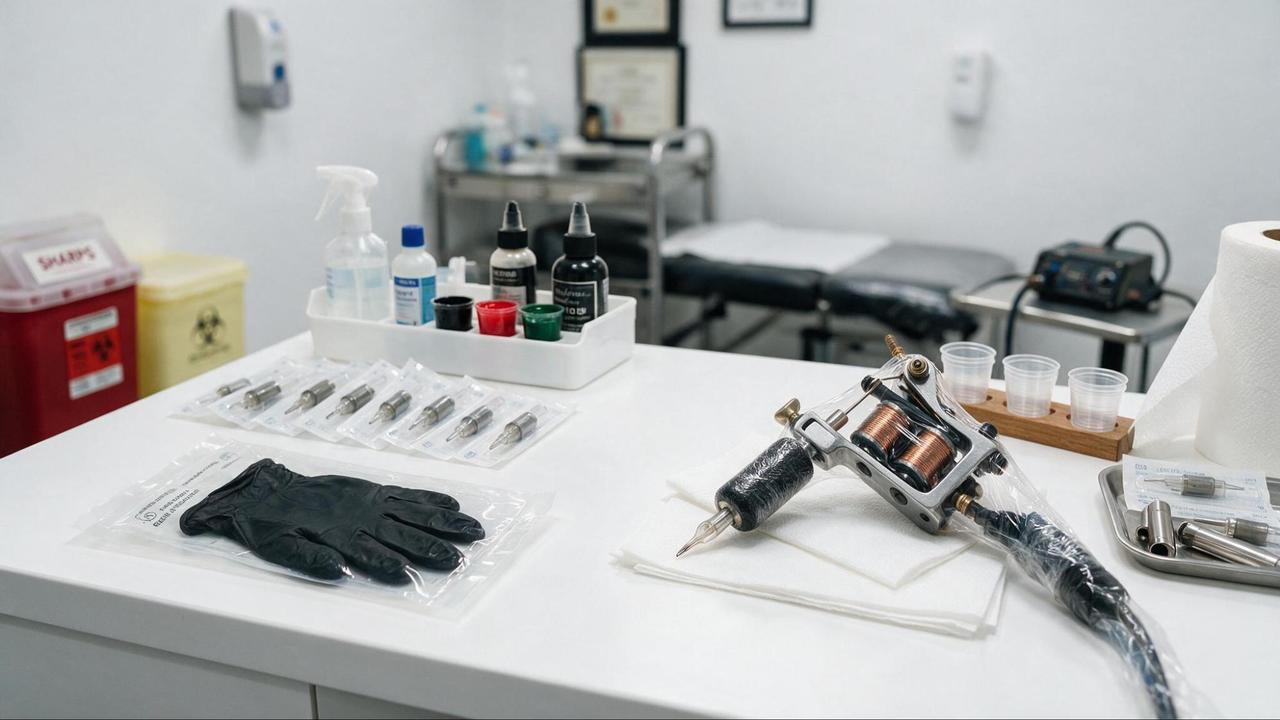
The common hygiene screw ups are embarrassingly simple: working without gloves, dirty countertops, reusing single use needles or ink caps, and skipping barrier film on the machine and cord. All of them are avoidable. All of them carry the same consequences: infections, hepatitis, HIV, and serious legal trouble when an inspector walks through the door.
Learn your local regulations. Use sterile, single use materials for every client. Keep the studio visibly clean, with surfaces disinfected between sessions, fresh gloves for each step, and a procedure for disposing of biohazard waste. If you walk into a shop and see any of those basic steps missing, that’s a red flag you don’t ignore.
Red flag: If the artist isn’t wearing fresh gloves when they set up their station, walk out. That single shortcut signals bigger problems.
Equipment Quality: Why Cheap Machines Cost You More
A tattoo machine is a precision tool. Cheap ones aren’t just unreliable, they actively produce bad work.
The symptoms are obvious once you know what to look for. An inconsistent power supply makes the needle wobble, which turns a straight line into a wobbly mess. Low quality needles can break or puncture the skin unevenly, causing more pain than necessary and patchy ink deposition. The machine itself might quit mid line, leaving you with a half finished pass and a frustrated client.
Reliable gear from trusted brands holds its voltage steady, runs smoothly, and gives the artist one less variable to fight against. That consistency shows in the finished tattoo.
Ink Compliance: The Hidden Risk in Your Bottle
This is the one beginners overlook most often. Ink isn’t just pigment suspended in a carrier, it’s a regulated substance in many markets, and for good reason.
Non-REACH-compliant inks can contain banned ingredients or arrive without proper safety data sheets. The consequences range from mild allergic reactions and inflammation to getting shut down during a health inspection. In the EU, REACH compliance is the standard. If you’re using ink that doesn’t meet it, you’re gambling with your clients’ health and your license.
Keep detailed records of every ink you use: batch numbers, ingredient lists, supplier documentation. Not only does it protect you if something goes wrong, but it builds trust with clients who ask what’s going into their skin.
Technique Mastery: Speed, Depth, and Skin Tension
Most of the visible mistakes in tattooing come down to four variables that work together: hand speed, machine speed, needle depth, and skin tension. Get any one wrong, and the tattoo shows it.
Go too slow and the ink bleeds under the skin, turning crisp lines into blurs. Too fast and the ink doesn’t embed properly, it looks good for a week, then fades into nothing. Deep enough? Too shallow means the ink won’t anchor; too deep pushes it past the dermis, causing blowouts (that blurry halo around a line) or scarring. Every artist learns to feel the sweet spot through practice, but there’s no universal setting, it changes with skin location, client age, and design style.
Skin tension is the variable beginners forget about. Loose skin on the inner arm, the back of the knee, or the stomach doesn’t hold still on its own. Without proper stretch, the needle hits at the wrong angle, lines go wavy, and ink deposits unevenly. The fix is practical: learn to stretch with one hand while tattooing, ask the client to hold a position that tightens the area, and work in small sections, adjusting tension as you go.
Quick test: Before your first real session, practice stretching on a grapefruit or orange. The skin tension mimics human flesh and reveals sloppy needle angles fast.
Professionalism and Preparation: The Behavioral Side of Prevention
Overestimating your abilities is the classic trap. Taking on a complex portrait or fine line geometric piece with fewer than a few dozen practice skin sessions under your belt is a recipe for regret. The tell is a poorly placed stencil or hesitation on the first pass. The consequences are unhappy clients, bad reviews, legal issues, and a lot of stress.
Sit down with the client for a real consultation, not just a five minute chat, sketch or pull a stencil, have the client check placement in a mirror, then make a first pass inspection before committing to the full outline. No freehand without prep. Stencils exist because they work.
Give clear aftercare instructions. Bad advice ruins good work. If you don’t know something, don’t guess. The trust you build in those conversations is what makes clients come back and recommend you to friends.
When Mistakes Happen: Error Resolution and Client Relationships
Even with all the systems in place, things can go wrong. The difference between a good shop and a bad one is how they handle it.
If you’re the client and notice something during the session, say so. The artist can often explain that it’s a normal part of the process (ink color looks wrong fresh? It’ll settle differently when healed). But if it’s genuinely off, getting it caught early saves a lot of trouble later.
If you notice after you stand up from the chair, speak up immediately. Don’t walk out and stew on it. The artist might explain that it’ll heal differently, or they might admit the error. If they own the mistake, standard procedure is to book a correction appointment once the tattoo is fully healed, and a good artist will bump you up the schedule to make it right.
If you don’t trust the same artist anymore, talk to the shop manager. They should sort it out. Clear negligence, like bad hygiene or a blown out line from obvious depth errors, typically means a refund plus a later correction. That’s the industry standard.
Laser removal is the nuclear option. Only go there if the shop won’t make it right. A good removal specialist can fade the old ink enough for a cover up or remove it entirely. It’s not fun, and it’s not cheap, but it works.
The Growth Mindset: Turning Mistakes into Mastery
Every mistake is a piece of data, what went wrong, why it happened, and how to avoid it next time.
The artists who improve fastest actively seek feedback, document their errors, and stay curious about what they don’t know. They’re not defensive about criticism. They’re not afraid to say “I’m still learning that style.” They treat the craft as a continuous process of refinement.
If you’re a client, do your research, trust the process, but speak up when something feels off. If you’re an artist, dial in the fundamentals, communicate clearly, and never stop learning.
Frequently Asked Questions
How do tattoo artists avoid mistakes?
They rely on six core areas: hygiene and sterilization, quality equipment, compliant inks, technique mastery (speed, depth, and skin tension), professionalism and preparation, and a clear error resolution process. Most visible mistakes come from getting one of those variables wrong, like inconsistent hand speed causing blowouts or poor skin tension leading to wavy lines.
What should I do if I notice a mistake during my tattoo session?
Speak up immediately. Silence is the enemy of a good result. The artist can often explain that the ink color or line looks off because it’s fresh and will settle differently when healed. If it’s genuinely wrong, catching it early allows the artist to correct it before the outline is fully committed.
What causes a tattoo to blow out or fade unevenly?
Blowouts happen when the needle goes too deep past the dermis, creating a blurry halo around the line. Uneven fading usually comes from inconsistent needle depth or hand speed, too shallow and the ink won’t anchor, too fast and it won’t embed properly. Skin tension also matters: loose skin without proper stretch leads to wavy lines and patchy ink.