
More stories · Page 101
Reading Between the Lines – ‘On The Road’

What is that feeling when you’re driving away from people and they recede on the plain till you see their specks dispersing? It’s the too-huge world vaulting us, and it’s good-bye. But we lean forward to the next crazy venture beneath the skies.
― Jack Kerouac, On the Road
This quote is from Jack Kerouac’s iconic novel, On the Road, which is often heralded as the quintessential manifesto of the Beat Generation, capturing the spirit of freedom, restlessness, and a quest for deeper meaning beyond the conventional structures of society.
Art Uncovered: ‘The Kiss’ by Gustav Klimt
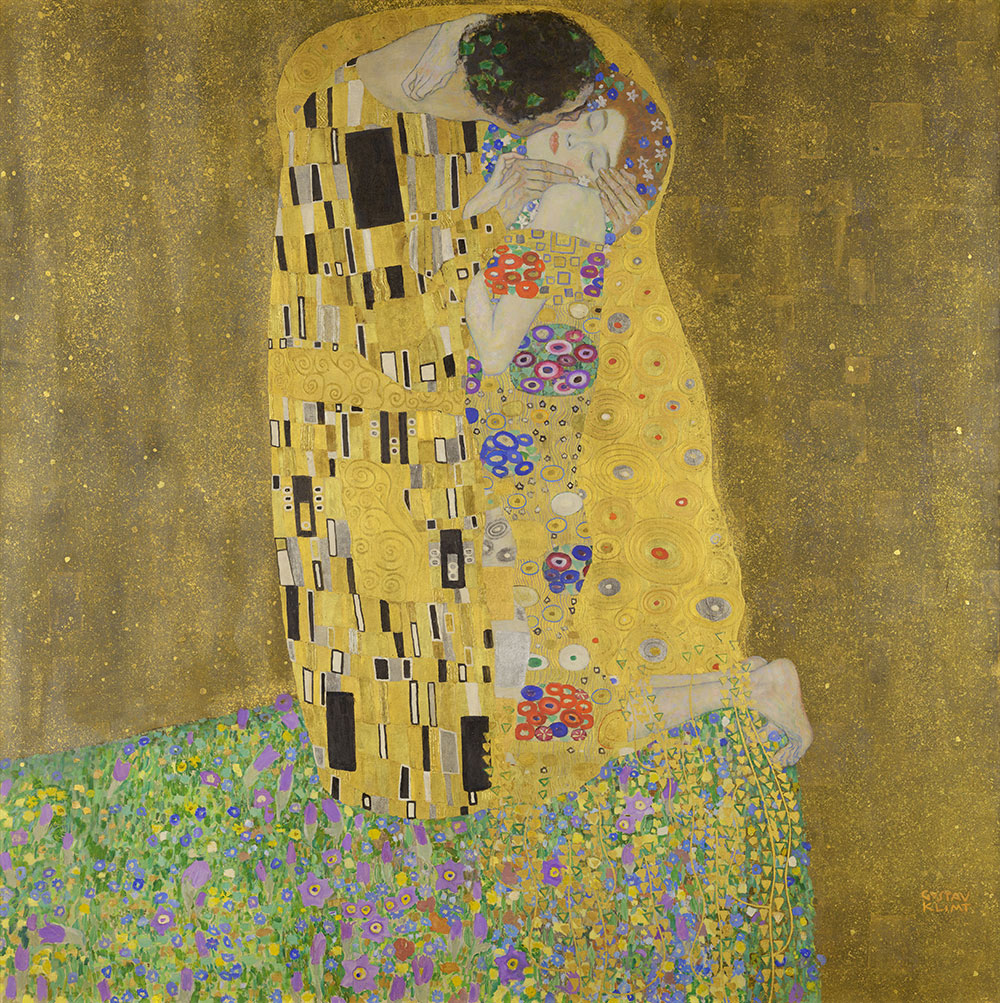
Gustav Klimt’s The Kiss, 1907-1908
Love, intimacy, passion – Gustav Klimt’s iconic masterpiece The Kiss seems to embody these universal themes. But look closer, and the picture becomes more complicated. Is this a romantic embrace, an erotic encounter, or something else entirely?
Completed between 1907-1908, the painting shows a couple locked in an embrace, the man bending over to press a kiss to the woman’s cheek as she kneels before him. Their bodies are entwined, yet their faces are obscured – his turning away from the viewer, hers upturned but eyes firmly shut. Already, Klimt introduces a note of ambiguity.
What’s So Great About ‘Apocalypse Now’?
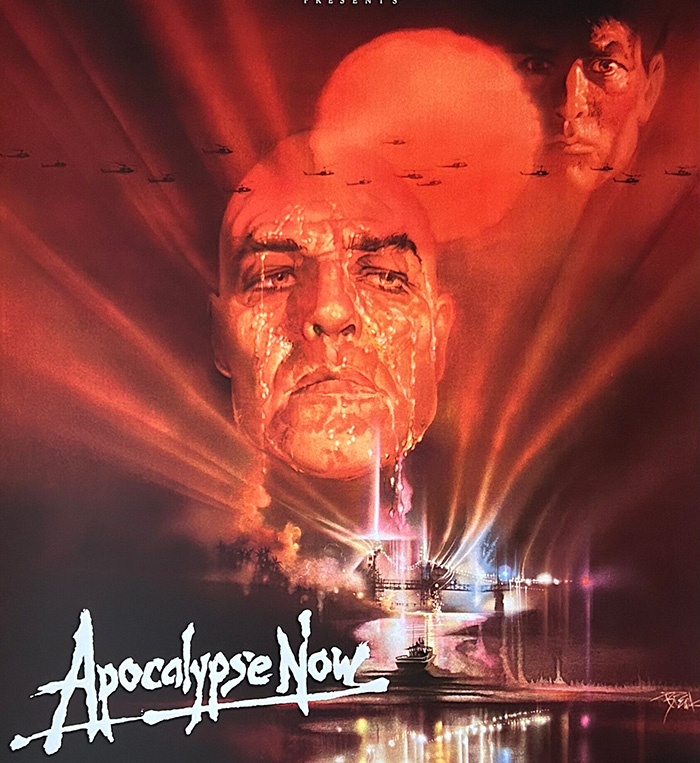
If you ever find yourself watching Apocalypse Now, it’s probably not because you stumbled upon it; it’s because you made a deliberate choice to lose yourself in a film that’s as maddening as it is mesmerizing. Francis Ford Coppola’s Vietnam epic is not just a film; it’s a fever dream of horror and beauty, a psychedelic reflection of war that aligns more closely with a bad trip than a historical recount.
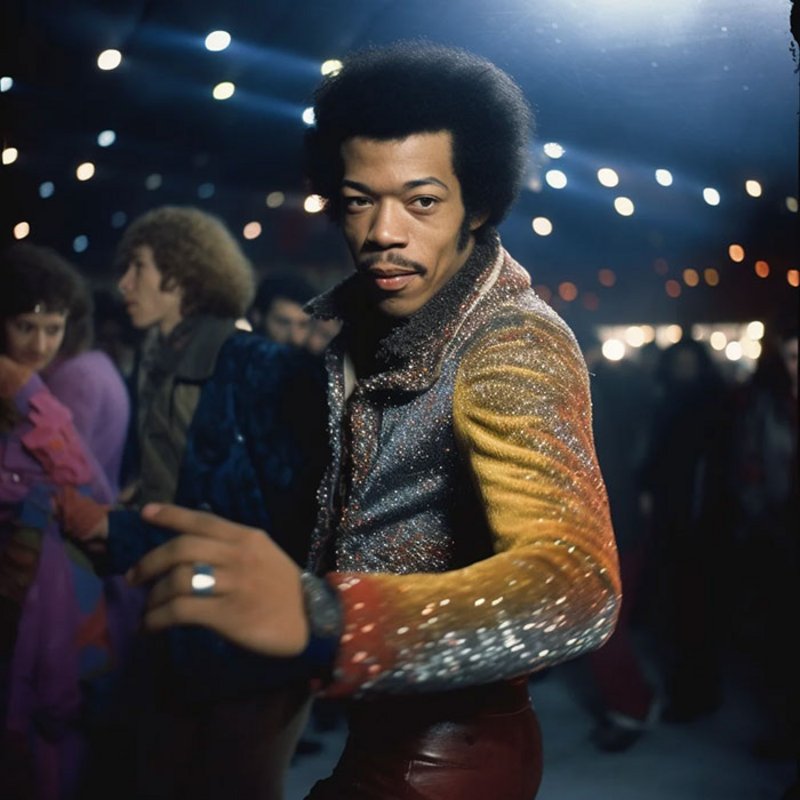
AI Imagines What Jimi Hendrix’s Career Would Look Like If He Had Lived
Jimi Hendrix at Studio 54 in 1977 (Age 35)
Art Uncovered: ‘The Return of the Prodigal Son’ by Rembrandt

In the final years of his life, Rembrandt van Rijn created a masterpiece that would come to encapsulate the central themes of his art: “The Return of the Prodigal Son.” Painted around 1669, just months before the artist’s death, this monumental work is a testament to Rembrandt’s unparalleled ability to convey the depths of human emotion through light, shadow, and gesture.
The painting depicts the moment from the Biblical parable when the wayward son returns home after squandering his inheritance, expecting scorn but instead finding forgiveness in his father’s embrace. In Rembrandt’s interpretation, the father is an aged, nearly blind man, his face lined with wrinkles that speak of a life filled with both joy and sorrow. As he cradles his son, his expression is one of pure compassion and unconditional love.
Reading Between the Lines – ‘The Sun Also Rises’
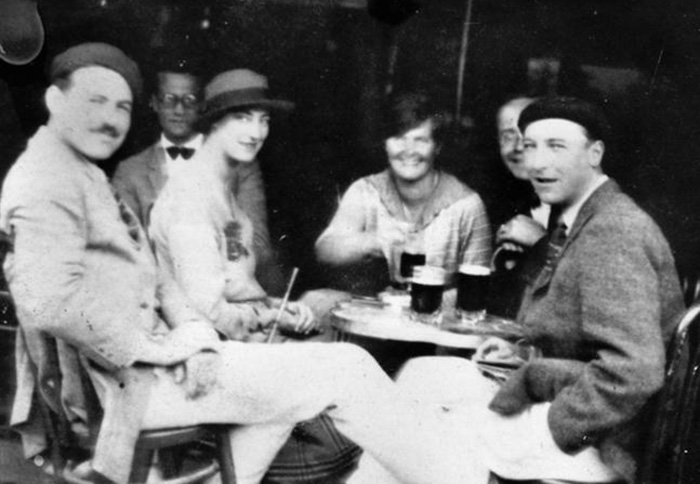
“you can’t get away from yourself by moving from one place to another.”
― Ernest Hemingway, The Sun Also Rises
The Sun Also Rises, published in 1926, is set in the 1920s and follows a group of American and British expatriates who travel from Paris to Pamplona, Spain, for the annual running of the bulls and bullfighting festival.
The quote underscores one of the central themes of the novel: the futile attempt to escape from one’s own problems or identity merely by changing locations. The characters in the novel, especially the protagonist Jake Barnes, are part of the “Lost Generation,” a term coined by Gertrude Stein to describe the post-World War I generation. They are disillusioned, aimless, and psychologically wounded, often seeking to escape their emotional turmoil through alcohol, travel, and relationships.
Trivia Question of the Day

[democracy id=”59″]
On This Day in History – April 12, 1633
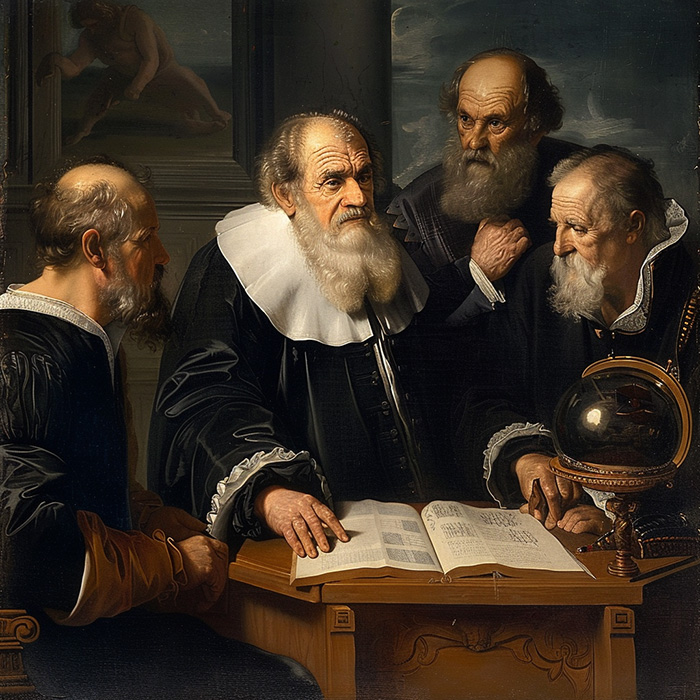
Galileo is accused of heresy
In the early 17th century, the conflict between Galileo Galilei and the Catholic Church epitomized the tension between science and religious doctrine. Galileo, an Italian astronomer, engineer, and philosopher, was at the forefront of the Scientific Revolution.
His support for Copernicanism, the astronomical model developed by Nicolaus Copernicus, which posited that the Earth and other planets orbit the Sun, directly challenged the geocentric views long held by church doctrine, according to which everything in the universe orbited Earth.
Reading Between the Lines – ‘Sapiens: A Brief History of Humankind’
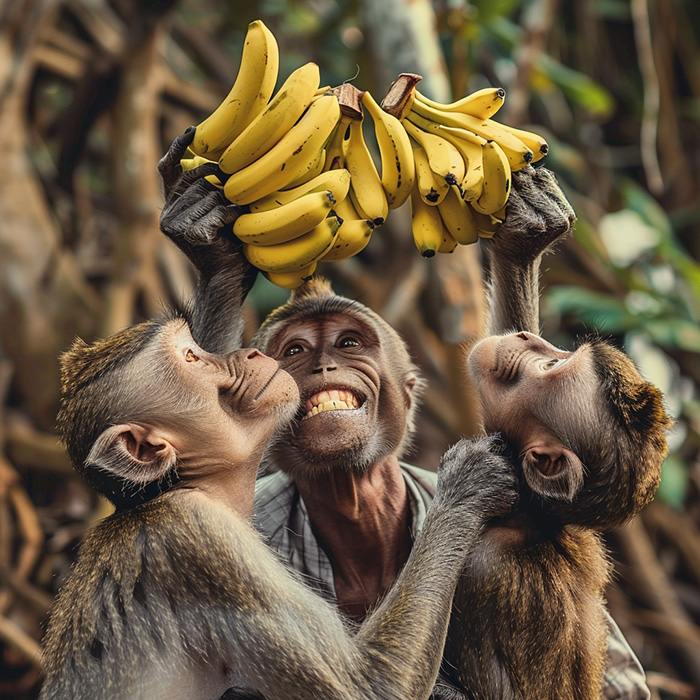
“You could never convince a monkey to give you a banana by promising him limitless bananas after death in monkey heaven.”
― Yuval Noah Harari, Sapiens: A Brief History of Humankind
The quote is from Yuval Noah Harari’s book “Sapiens: A Brief History of Humankind.” This passage draws a sharp distinction between humans and other animals by touching upon the concept of belief in the afterlife and the ability to trade immediate tangible benefits for intangible future rewards.
Reading Between the Lines – ‘Do Not Stand at My Grave and Weep’

Do not stand at my grave and weep
I am not there. I do not sleep.
I am a thousand winds that blow.
I am the diamond glints on snow.
I am the sunlight on ripened grain.
I am the gentle autumn rain.
When you awaken in the morning’s hush
I am the swift uplifting rush
Of quiet birds in circled flight.
I am the soft stars that shine at night.
Do not stand at my grave and cry;
I am not there. I did not die.
– Clare Harner
Trivia Question of the Day

[democracy id=”58″]