What you’re seeing here is a snapshot of hunger—not the gnawing you get when you skip lunch, but a slow, humiliating starvation that cuts at pride and dignity. Four men, maybe more behind them, hunched at a counter. Their faces are weathered, their hats battered, their eyes hollowed out by fatigue. They’re eating bread and soup, the kind that’s stretched thin so everyone gets a little, but no one ever gets enough.
Ever look back at your old yearbook photos and wonder how you ever survived middle school? You’re not alone. We all have that one awkward phase—braces, bad haircuts, questionable fashion choices—that makes us cringe a little (or a lot). But some people’s transformations are so jaw-dropping, you’d barely recognize them now.
Here are 24 people who once felt like the odd one out—the so-called “ugly ducklings”—but with a little help from time, confidence, and maybe a good haircut, they turned into absolute swans. Get ready for some seriously satisfying glow-ups that prove awkward phases don’t last forever.
If you grew up watching sitcoms, you probably have a weird, inexplicable ability to recall the theme song to Family Matters with more accuracy than your own Social Security number. You can picture the geometry of Monica’s apartment better than the layout of your first real job. But there’s something that doesn’t quite fit the laugh track—those moments when the show stops being about who ate the last slice of pizza and starts asking what it actually means to be alive, or at least alive within 23 minutes and a couple of ad breaks.
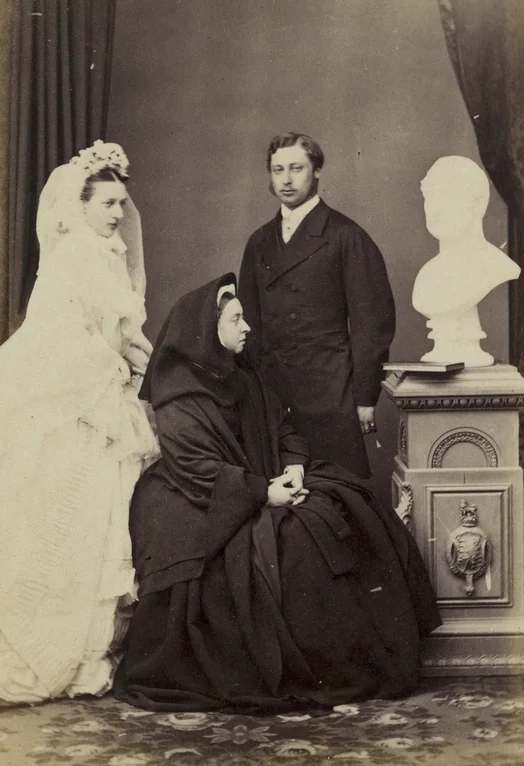
Queen Victoria photobombing her son’s wedding photo by sitting between them wearing full mourning dress and staring at a bust of her dead husband, she blamed her son for Albert’s death.
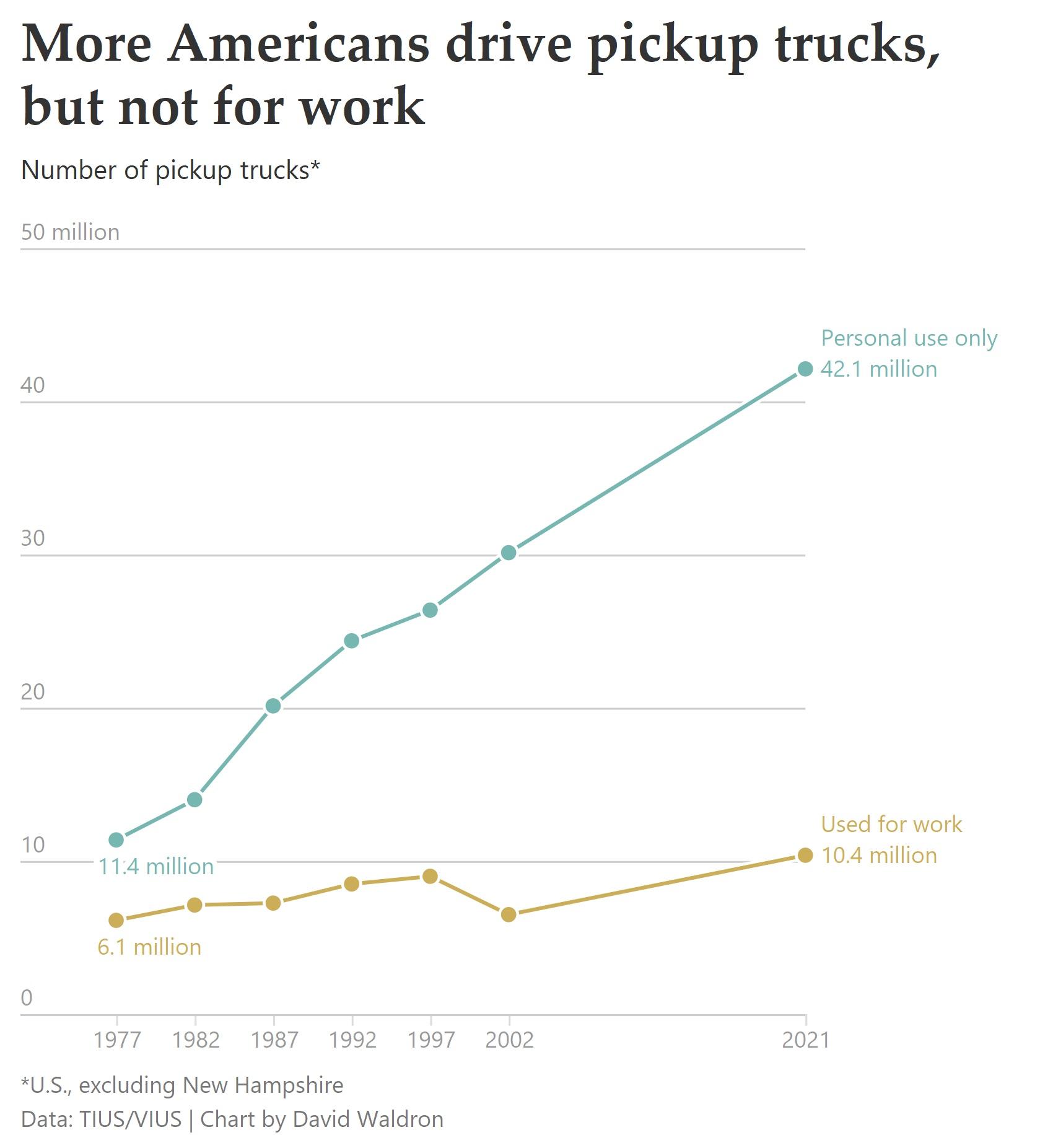
Popularity of pickup trucks in the US — work vs. personal use
Who is dropping $70,000 or more on a pickup truck just to drive to the store? If you look around any suburban parking lot or fast food drive-thru in America, it’s clear that the answer is “a lot of people.” What started out as the ultimate symbol of American utility has morphed into a kind of rolling luxury suite on wheels, tricked out with leather seats, giant touchscreens, panoramic sunroofs, and chrome everything. And it’s not just for the rugged rancher or the small business owner hauling tools; these days, the top-selling vehicle in America is often a high-end pickup, purchased by people whose toughest cargo is a bag of mulch from Home Depot.
There’s something almost absurd about it—an arms race to own the biggest, shiniest, most overbuilt vehicle possible, even if it’ll never see a muddy job site. It speaks to a kind of cultural insecurity, a need to project strength, wealth, and status in a world that feels increasingly out of control. Automakers have been happy to fuel this trend, marketing pickups as both a lifestyle accessory and a symbol of American freedom, even as prices soar into luxury-car territory. Meanwhile, the practical downsides—terrible gas mileage, massive size, rising insurance rates, and astronomical monthly payments—are easy to ignore when everyone else on the block is driving one, too. In the end, buying a $70,000 truck for grocery runs isn’t about need; it’s about want, image, and keeping up with the Joneses, no matter the cost.