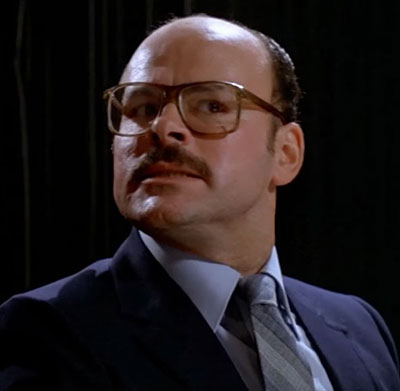
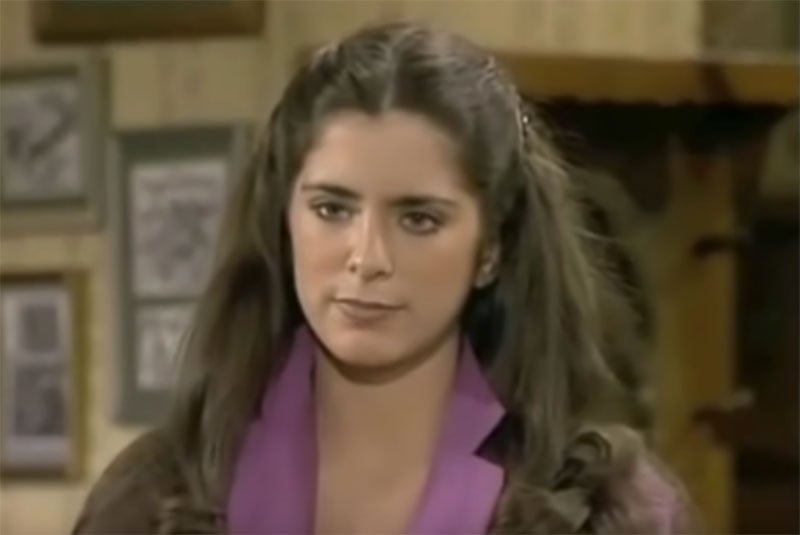
Former TV kids live in a peculiar corner of American memory. We remember them at a specific age and assume the story paused there, like a freeze‑frame ending. Felice Schachter—Nancy Olson from The Facts of Life—is one of those names that still triggers that mental screenshot. But her actual story didn’t pause. It just moved somewhere more interesting.
The Girl Next Door Who Was Already Working
Schachter was effectively born into the industry. Her mother managed theaters; her father was an accountant. By six months old she was doing Pampers, Ivory Snow, and Downy spots. From there it was toy commercials, department‑store modeling, off‑Broadway, ballet, Shakespeare—an early résumé built on competence and presence rather than scandal.
Before Eastland ever entered the picture, the production company behind Facts had already “found” her. She was flown to Los Angeles to meet the network for Hello, Larry, then filmed the Diff’rent Strokes network presentation. The role went to Dana Plato after executives decided they wanted a more “all‑American” look—industry shorthand then for blonde hair and blue eyes. Schachter says she was kept under contract while they hunted for the right project. That project became The Facts of Life.
Inventing Nancy (and Roger) On the Fly
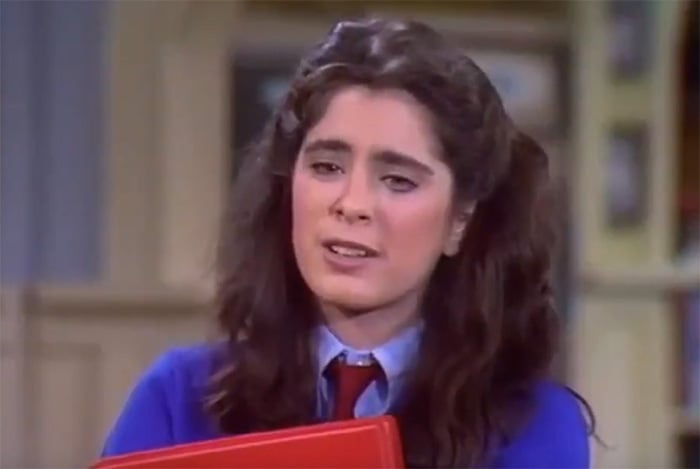
Here’s the odd part: when shooting started, Nancy wasn’t really a character yet. Schachter would sit with the writers so they could figure out who “Nancy” should be. Because Felice admits she was “very boy‑crazy” at the time, the team leaned into that energy and invented an off‑screen boyfriend named Roger—a running gag that made Nancy a telephone presence even when the plots weren’t about her. It’s character writing by osmosis, and it worked just enough to be memorable.
Off camera, life looked like a teen‑sitcom montage: the girls kept roller skates in the rehearsal hall and actually used them, circling the studio between scenes. Schachter also had a very real crush on Mikhail Baryshnikov. She practiced the Russian for “I love you” and called it out when he passed their classroom. Co‑star John Lawlor once handed her a sweater he said Baryshnikov had left in the men’s room; she returned it to his rehearsal hall and—door opens—there’s Baryshnikov, saying thanks. Nancy’s boy‑crazy arc suddenly feels less like a trope and more like documentary footage.
The Cut—and Why It Didn’t Break Her
After Season 1, the network “focused on the core four,” which is TV‑speak for your ensemble just got smaller. Schachter remembers being the first girl cast after Charlotte Rae and others literally being lined up next to her for height. Getting cut was a gut punch. It was also the hinge of her life.
Enter Christopher Reeve. A family connection arranged a conversation, and Reeve—Cornell alum, already Superman—encouraged her to choose college. She did. Brown University. And with time to think, the disappointment inverted. She now calls the exit a “blessing in disguise”: it led to an Ivy League degree, lifelong friends, and a different definition of success.
She still dipped back in: five guest spots across Seasons 2–3, then a Season 8 reunion where Nancy shows up pregnant. The funniest fallout wasn’t on camera—her then‑boyfriend got teased by friends who watched the episode.
Side Quest: Zapped! and a Real Career Behind the Camera
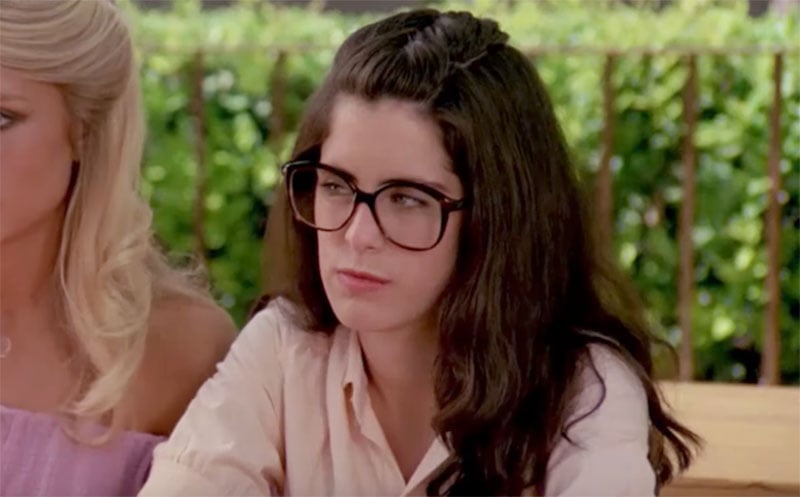
In 1982 she played Bernadette—the rational best friend—in the teen comedy Zapped!, the VHS you remember even if you don’t remember the plot. After college, the center of gravity moved behind the lens: production assistant, assistant casting, and—because she’s a sports diehard—broadcast work with CBS Sports and Prime Ticket (now Fox Sports West), from LA Kings games to the US Open. She liked the rigor and the teamwork.
What she didn’t like was what came next. A labor‑strife era flooded TV with reality formats. “This isn’t what I studied film for,” she says, which is a polite way of saying the work no longer matched the ideals.
9/11, A Pivot, and the Work That Stuck

After 9/11, she wanted purpose more than proximity to cameras. Volunteering with kids led to the New York City Teaching Fellows: the Bronx by day, grad school by night. Bureaucracy didn’t make it easy (an Ivy degree doesn’t equal education credits), but persistence did.
Today she’s a special‑education teacher who uses the same skills that once held a TV audience—timing, presence, improvisation—to hold a classroom’s attention. She trained in Applied Behavior Analysis (ABA) and tells the kind of story educators remember forever: a student who met autism criteria when they started working together, then—after coordinated therapy and years of effort—lost the diagnosis and was later admitted to one of New York’s top schools. It’s hard to imagine a better review than that.
“Teaching is what I was meant to do.” Coming from a former child star, it doesn’t read as a pivot. It reads as a reveal.
A Life Well‑Lived (Just Not Televised)
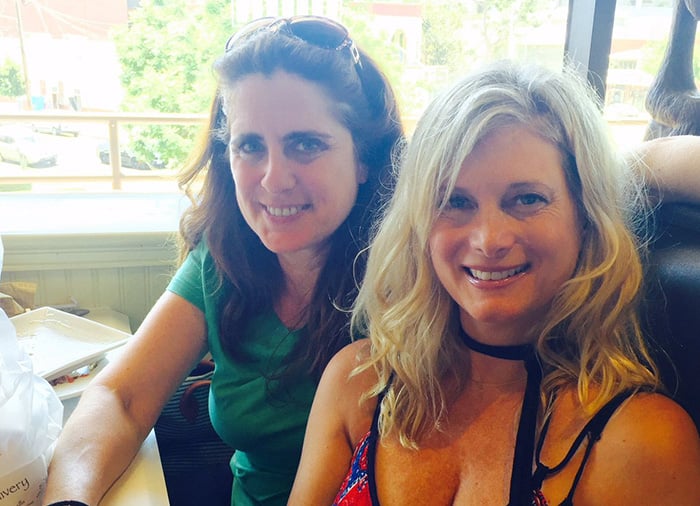
There’s friendly continuity with the old cast (she still keeps up with Julianne Haddock) and a great memory of visiting Cloris Leachman’s wonderfully idiosyncratic home. Off the clock she calls herself a “dissectologist”—someone who’s blissfully, perpetually in the middle of a jigsaw puzzle, swapping boxes with friends and keeping a dedicated table going at all times.
And if you want to hear all of this in her own voice—roller skates, Baryshnikov, Christopher Reeve, the Bronx—there’s a full interview on The Mike Rand Show on YouTube.
Felice Schachter didn’t flame out or fade away. She recalibrated. The arc from sitcom to sports truck to special‑ed classroom isn’t the standard Hollywood narrative, which might be the best thing about it. She found work that matters to her and stuck with it. The rest is syndication.