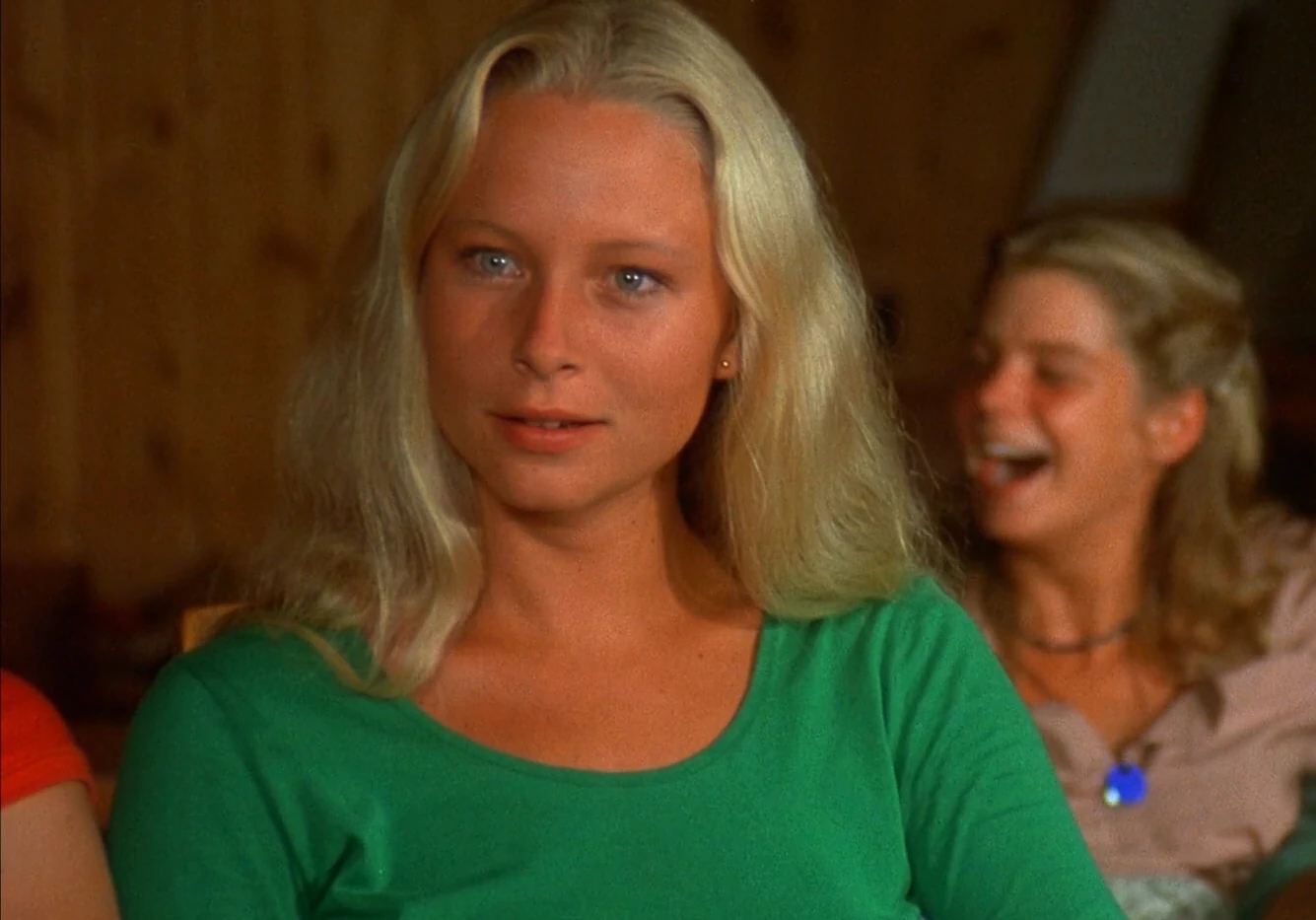
If you’ve ever rewatched Meatballs on a lazy summer afternoon, the kind of background movie that smells like chlorine and sunscreen, you might remember her. Cindy Girling. She played Wendy, one of the campers orbiting Bill Murray’s chaos in that gloriously goofy Canadian summer camp universe. She didn’t have the loudest lines or the biggest moments, but she had that natural on-screen warmth that made you believe she was actually part of that world. Not acting. Just existing.
And then, like a lot of people from that movie, she seemed to vanish.
The Arrival

Girling’s story starts the way a lot of small but memorable showbiz stories do: she was young, Canadian, beautiful in that late 1970s Polaroid way—big smile, natural hair, nothing forced. She’d won a few pageants, which back then was practically a feeder system for film casting calls north of the border.
When Meatballs came out in 1979, it wasn’t supposed to be a phenomenon. But it became the summer movie for an entire generation of teens. Bill Murray became a star. Ivan Reitman became Ivan Reitman. And the rest of the cast, including Girling, became those faces you remember even if you couldn’t name them. She was part of the movie’s soul: the believable campers who gave it authenticity.
The Peak and the Fade
After Meatballs, Girling popped up in a few other Canadian productions such as Dirty Tricks and Julie Darling—the kinds of modestly budgeted films that filled up movie listings before the term “independent cinema” was even cool.
Then, in the 1990s, she reappeared briefly in a couple of projects, the kind of credits that remind you someone never completely left, they just drifted. But after that, nothing. No tabloid drama, no tragic downfall, no desperate comeback. Just quiet.
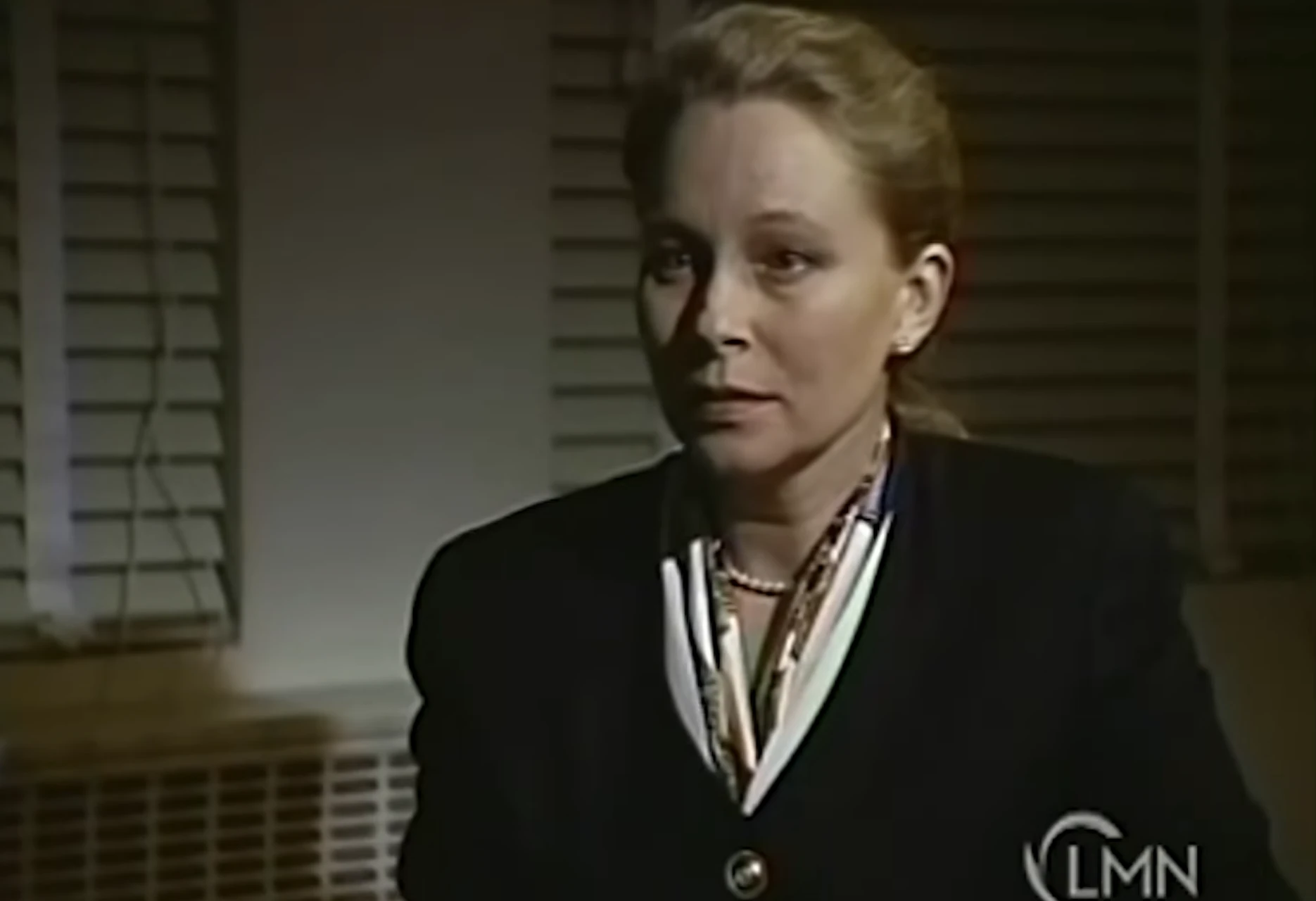
Her IMDb page reads like a film reel that just stops midspin. And maybe that’s the point. Some people chase the dream until it eats them alive. Others realize they’ve seen enough of the machine and walk away.
Where Is She Now?
There’s a Facebook page floating around with her name. It looks like her, based on the old photos. It says she’s back in Canada, maybe living a regular life. The page hasn’t been updated much, which feels oddly fitting—like the story itself just faded into the static.

She didn’t try to reinvent herself as a “where are they now” curiosity or chase nostalgia conventions. There’s a strange dignity in that. It’s like she left the screen and re-entered real life, something most actors can’t or won’t do.
Final Take
Cindy Girling’s story isn’t dramatic, but it’s strangely comforting. She got to be part of a movie that people still talk about forty years later—a movie that captured an entire vibe, an era before irony became oxygen.
And then she did what almost nobody in show business ever manages: she left on her own terms. No scandal. No spectacle. Just a life that kept going.
In a world obsessed with comebacks, maybe the most punk thing you can do is disappear.