
There are two kinds of Baywatch cast members people remember:
- The megastars who used the show like a springboard.
- The cultural phantoms, the faces you remember even if you could not describe the character they played without Google.
There are two kinds of Baywatch cast members people remember:
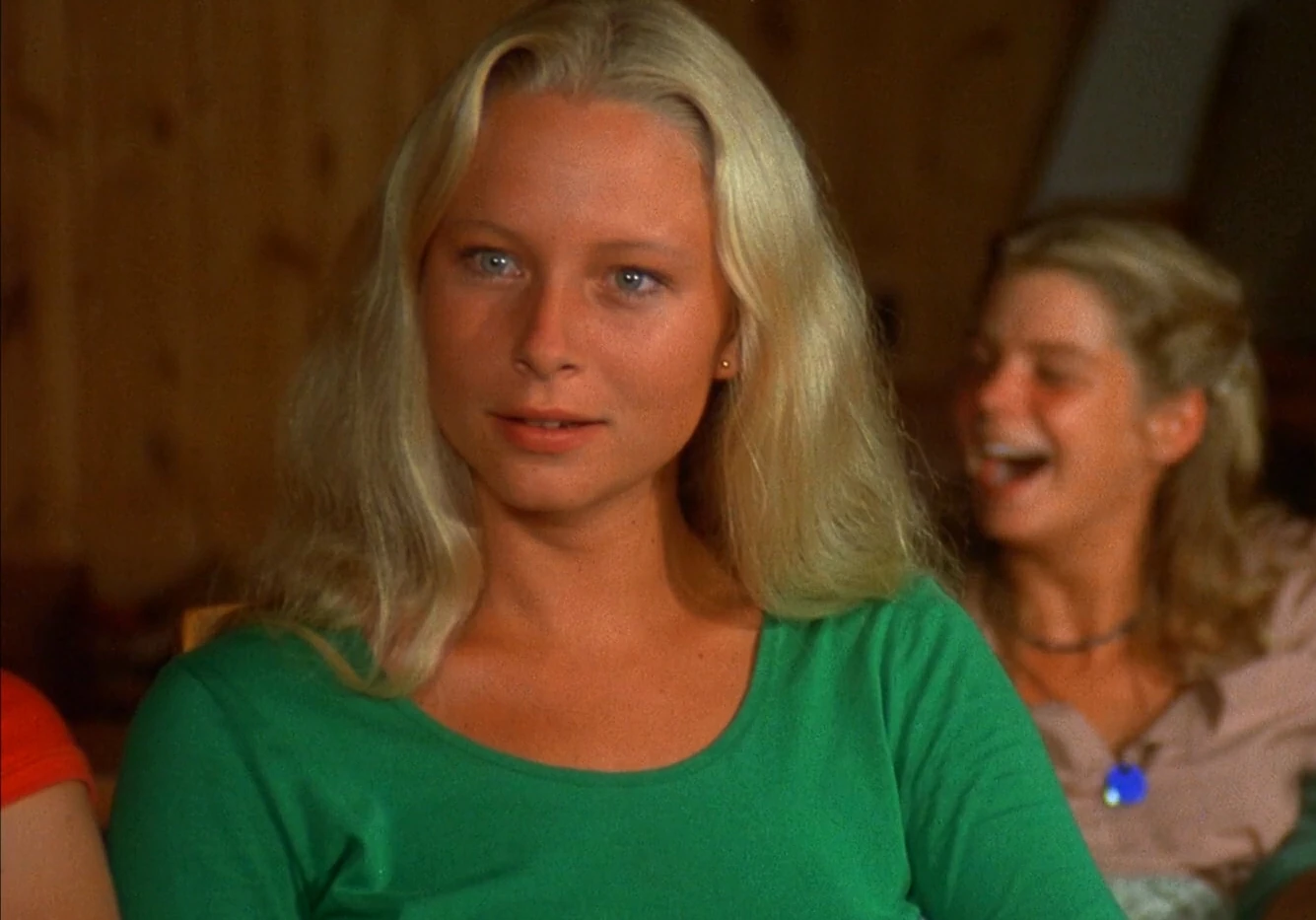
If you’ve ever rewatched Meatballs on a lazy summer afternoon, the kind of background movie that smells like chlorine and sunscreen, you might remember her. Cindy Girling. She played Wendy, one of the campers orbiting Bill Murray’s chaos in that gloriously goofy Canadian summer camp universe. She didn’t have the loudest lines or the biggest moments, but she had that natural on-screen warmth that made you believe she was actually part of that world. Not acting. Just existing.
And then, like a lot of people from that movie, she seemed to vanish.

If you’ve ever watched a martial arts movie on late night cable in the ’80s or early ’90s, you know that face — the scowl, the muscles that look carved out of a bad dream, and the aura of a man who probably bench presses boulders for fun. In the mythology of martial arts cinema, few villains are as instantly recognizable as Bolo Yeung. He was the final boss before movies had literal final bosses, a human embodiment of “good luck surviving the next five minutes.”

The entertainment industry is littered with ghosts — not the tragic kind, but the kind who simply walk off stage one day and never come back. They don’t die, they just disappear. For people who grew up on PBS in the ’90s, one of those phantoms is Shannon Duff — or as we knew her, Allison from Kratts’ Creatures.

There’s a special category of cultural artifact reserved for the kind of movie that Mac and Me is. Not just “bad.” Not even “so bad it’s good.” More like: “so baffling that it feels like it must’ve been created by an alien species trying to impersonate humans by watching old VHS tapes of E.T. while drinking a McDonald’s Shamrock Shake.”
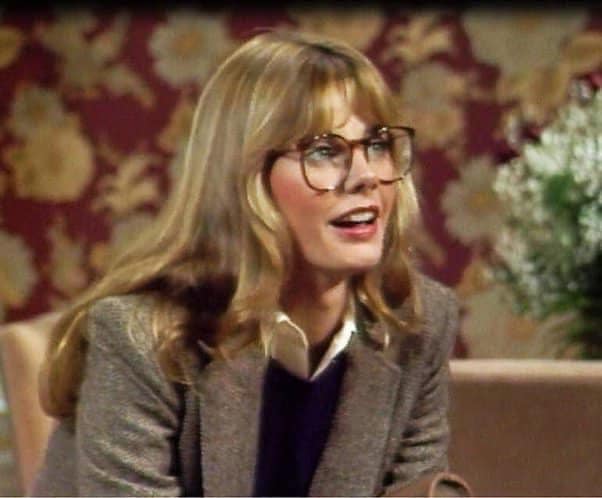
Let’s talk about Jan Smithers. If you know the name at all, it’s because of Bailey Quarters—the introverted, bespectacled brunette on WKRP in Cincinnati who managed to be the brainy underdog and the stealth crush of anyone who preferred liner notes to leather pants. She was the Anti‑Loni, and that contrast was the show’s secret engine.

There are two kinds of people: those who hear “Lisa Eilbacher” and shrug, and those who immediately picture Eddie Murphy cracking jokes in Beverly Hills Cop or Richard Gere sweating through a Navy training montage in An Officer and a Gentleman. If you’re the second type, you might be wondering why she suddenly stopped showing up. For a stretch in the early ’80s, she was everywhere — the kind of actress who felt like she’d be around forever. And then she wasn’t.
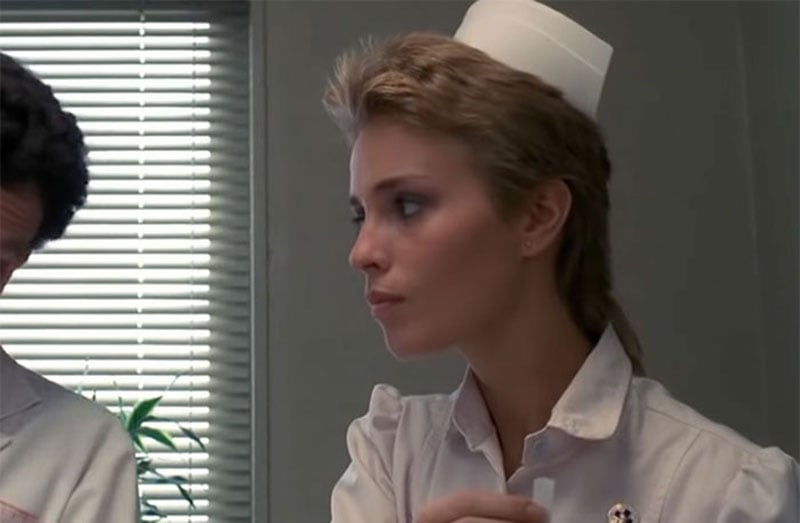
There was a time when Mimi Craven was one of those people who’d show up in a movie, say two lines, and then leave you wondering: “Wait, who was that? She seemed important.”
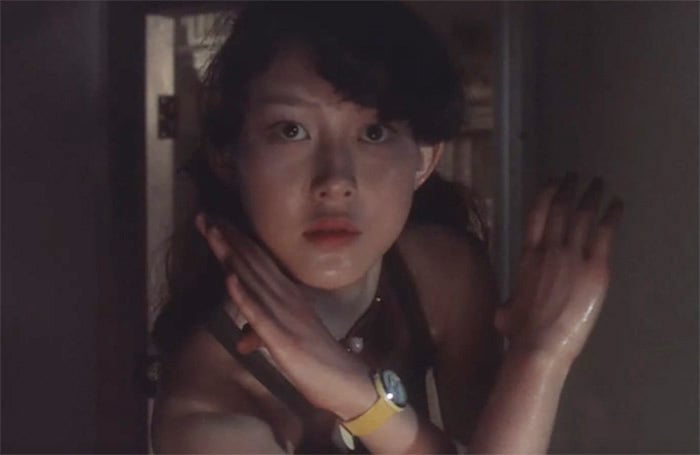
For a certain kind of film nerd—the kind who uses the word “auteur” in casual conversation and unironically owns Criterion tote bags—Nobuhiko Obayashi’s 1977 film House (Hausu, if you’re really in the know) is the cinematic equivalent of a lucid dream mixed with a soda commercial and a haunted puppet show. And among the film’s unforgettable cast of high school girls with on-the-nose nicknames (like Fantasy, Prof, and Mac), there was one character who managed to both parody and transcend the genre simultaneously: Kung Fu.

There was a time, in the early 2000s, when television didn’t just embrace absurdity—it rubbed suntan lotion all over it and sent it sprinting down the beach in slow motion. That time was called Son of the Beach, and if you were flipping channels late at night on FX, trying to escape from a rerun of Baywatch but still somehow wanting more Baywatch, then you probably stumbled across Kimberly Oja.
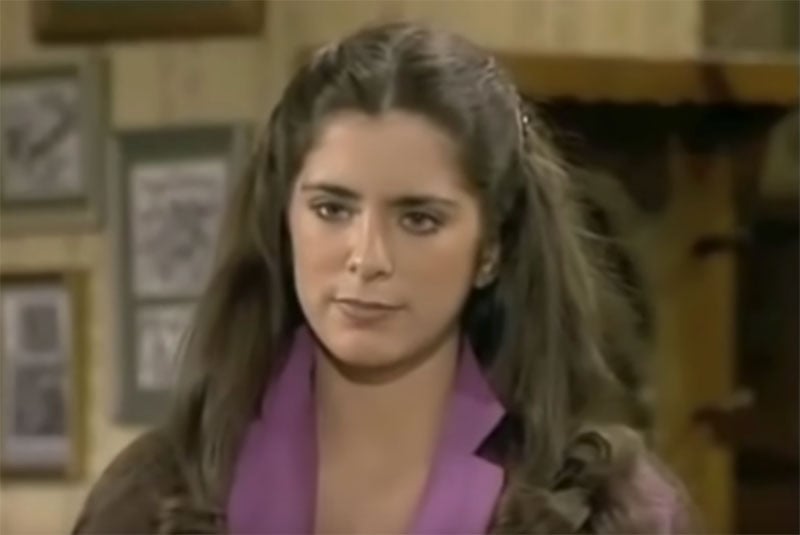
Former TV kids live in a peculiar corner of American memory. We remember them at a specific age and assume the story paused there, like a freeze‑frame ending. Felice Schachter—Nancy Olson from The Facts of Life—is one of those names that still triggers that mental screenshot. But her actual story didn’t pause. It just moved somewhere more interesting.

There’s a thing that happens when you’re watching reruns of a show that only existed for, like, the blink of a pop-culture eye. One second it’s there, nestled between Growing Pains and your homework—then it’s gone, leaving behind nothing but a vague memory and maybe a trading card you accidentally bent in your Trapper Keeper. That’s kind of what happened with Just the 10 of Us. And at the center of that brief, weird, beautiful sitcom blip was Joann Willette.