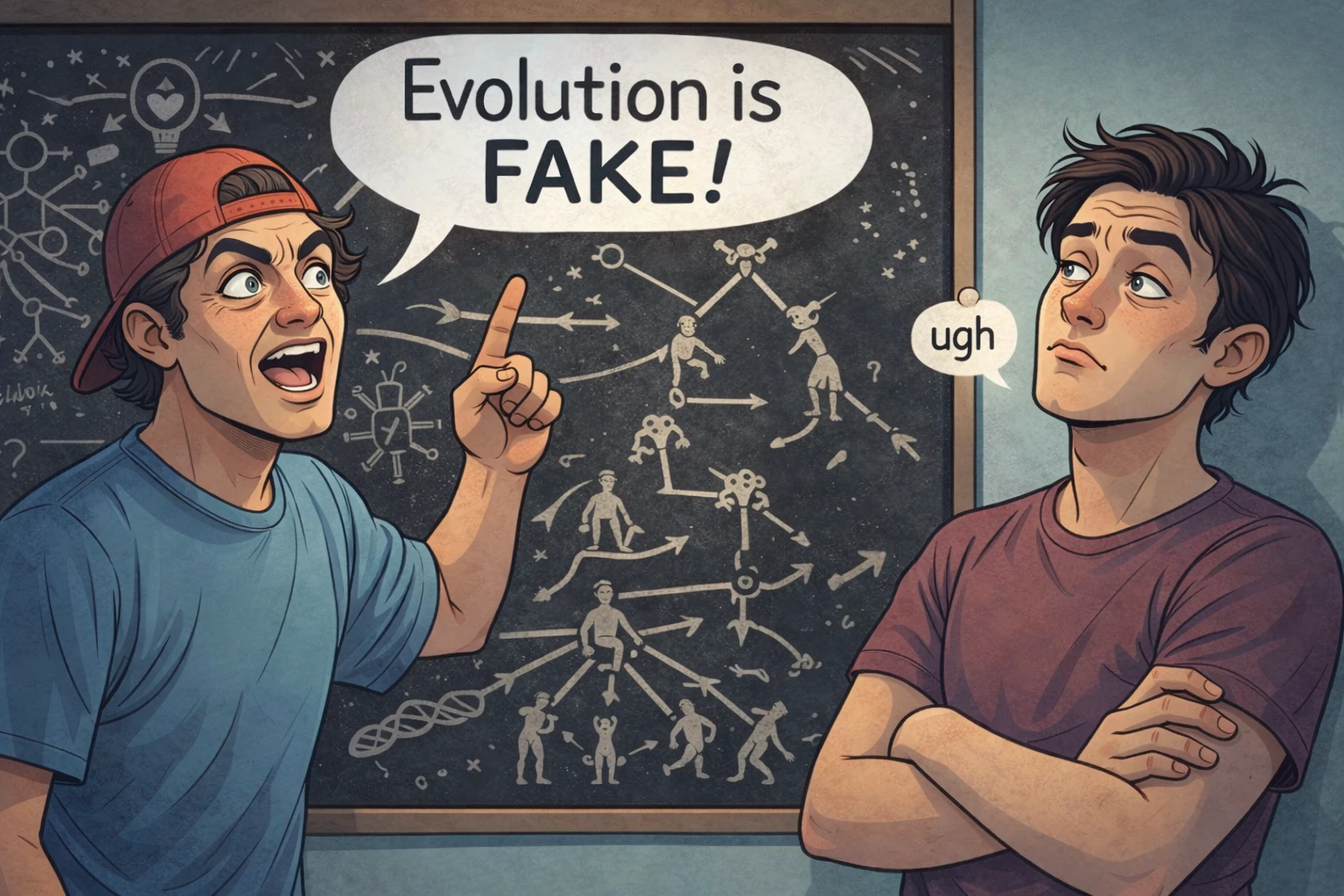
This question comes up all the time, and it sounds like a gotcha. But it’s actually based on a simple misunderstanding of how evolution works.
Let’s clear it up—without jargon, without condescension, and without pretending this is complicated.
This question comes up all the time, and it sounds like a gotcha. But it’s actually based on a simple misunderstanding of how evolution works.
Let’s clear it up—without jargon, without condescension, and without pretending this is complicated.
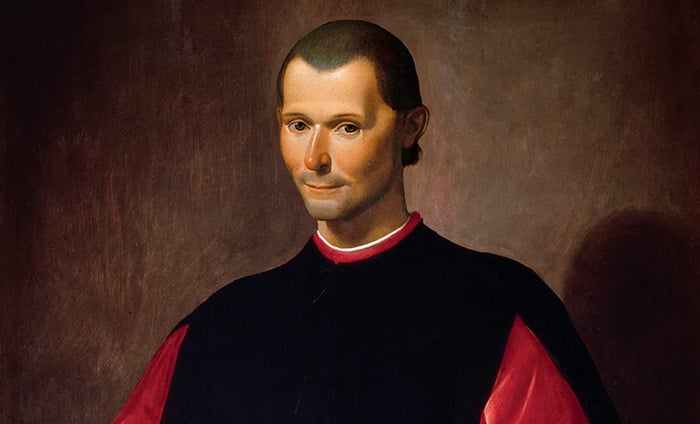
There are historical figures who are misunderstood. Then there are those who are so deeply entangled in the mythology of their own name that the myth becomes the understanding. Niccolò Machiavelli is in the second camp. His name is shorthand for manipulation, deception, backstabbing, and political sociopathy—an entire worldview reduced to a sneer.

There are few moments more intimate than sitting on a public toilet and accidentally making eye contact with a stranger through the one-inch gap beside the door.
Neither of you wanted this. Neither of you will acknowledge it. But for one terrible second, you have seen each other more honestly than most married couples ever will.
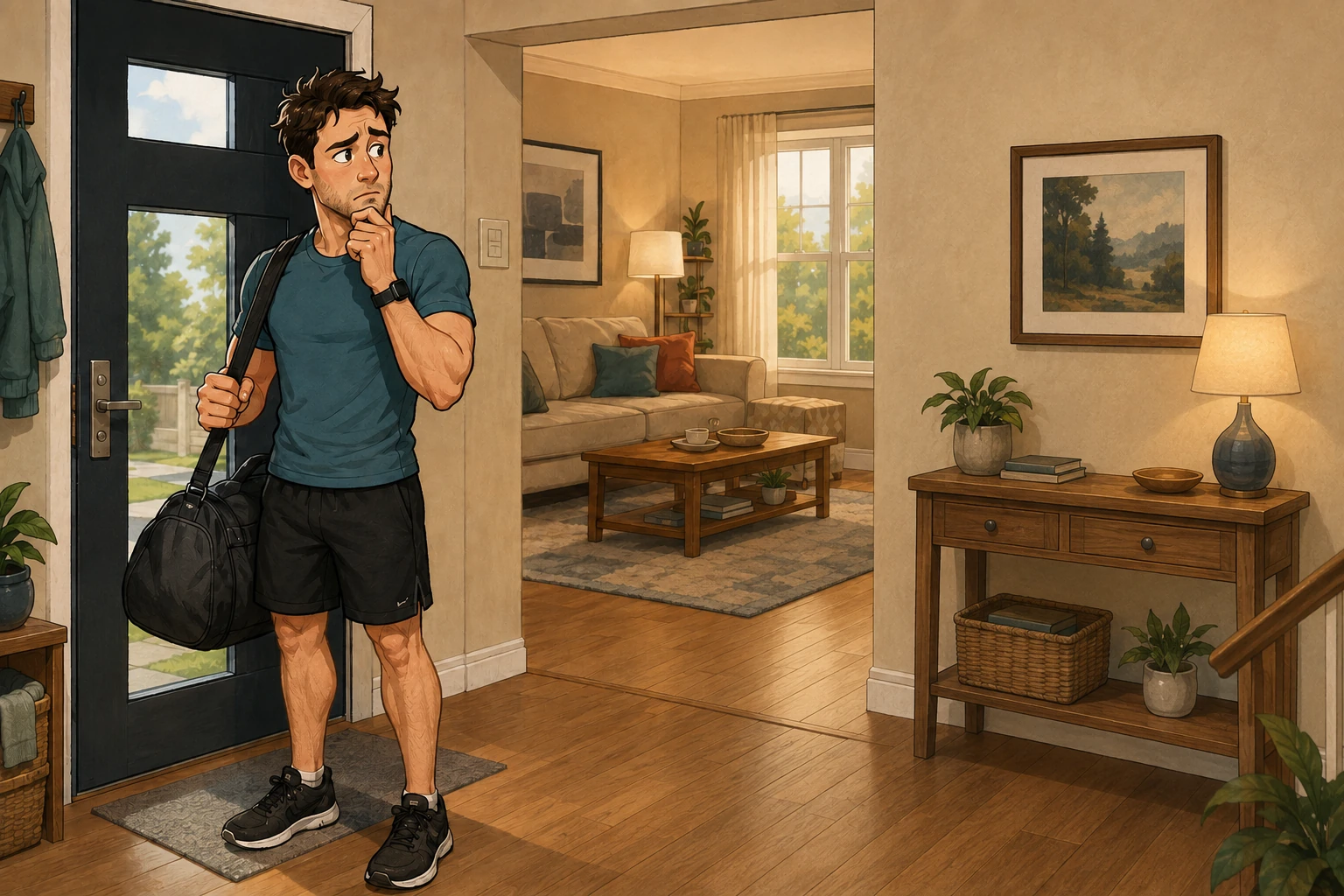
You know exercise is good for you. You know you will probably feel better afterward. You may have even scheduled time for it.
Then the moment arrives.
Suddenly, you are too tired. The weather looks questionable. Your knee feels a little strange. Tomorrow seems like a much better day to begin.
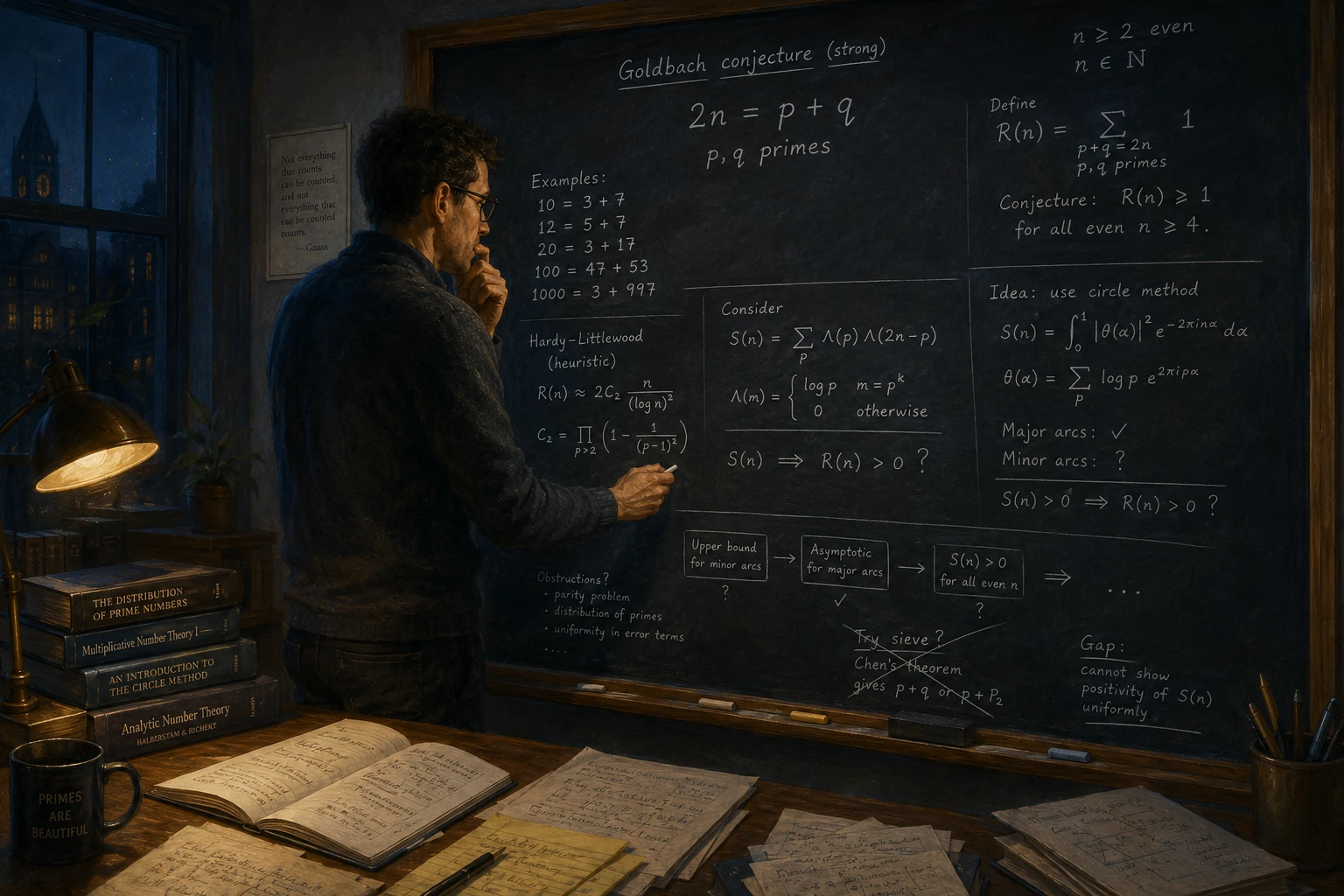
Most of us leave school with the impression that mathematics is a ladder of increasingly difficult calculations: arithmetic at the bottom, algebra in the middle, and pages of incomprehensible symbols at the top.
But professional mathematicians rarely spend their days multiplying enormous numbers or solving absurdly long equations. Computers can handle calculations faster than any person. At the highest levels, mathematics is about discovering patterns, exploring abstract worlds, and proving that something must always be true.
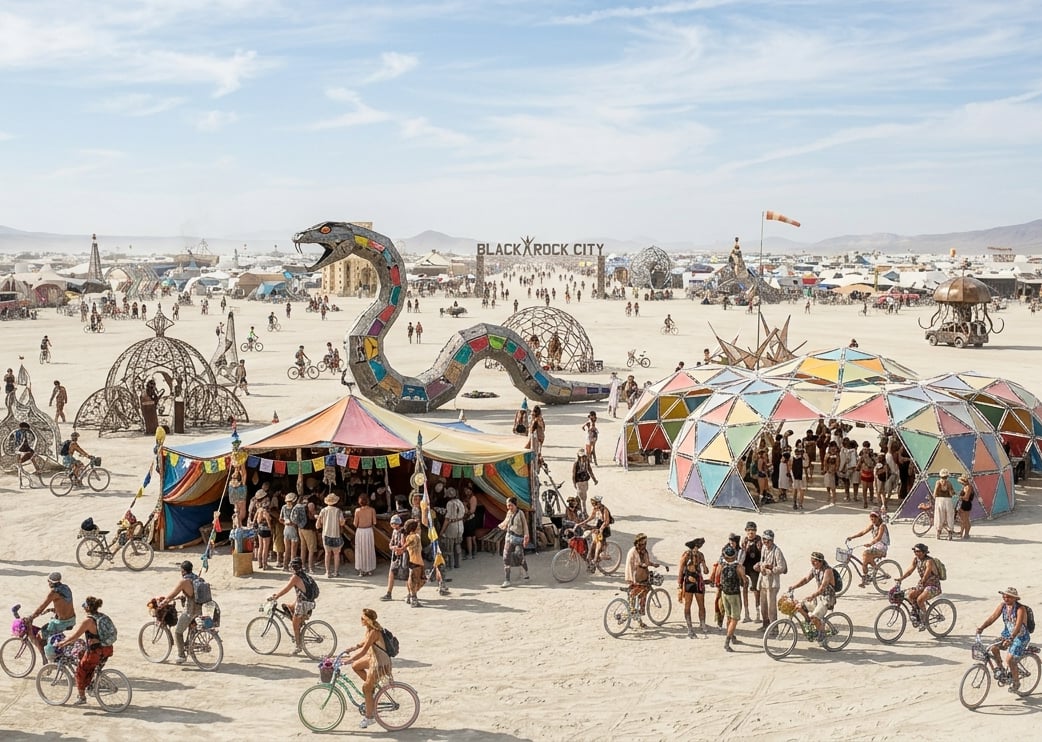
Every year, around late August, a very specific type of person starts talking about “the playa” like it’s a place they summered as a child instead of a temporary pop-up city in the Nevada desert that costs more than a used Honda Civic to attend.
You know this person. He works in tech, or wants you to think he does. His LinkedIn headline has the word “builder” in it somewhere, unprompted, like he’s a golden retriever that learned to code. He has a bike with fur on it in storage somewhere in Oakland, insured separately from his actual car.
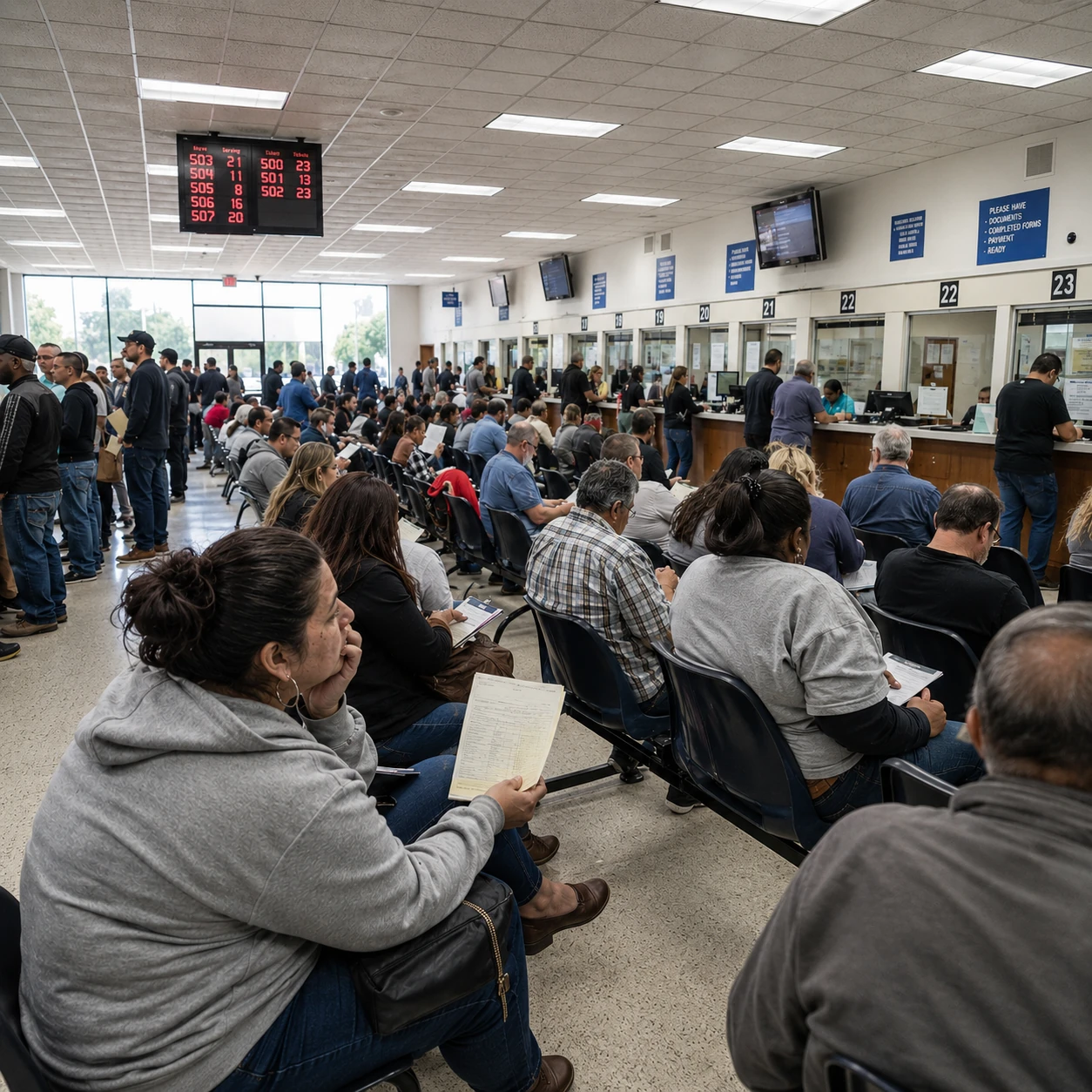
Few places inspire dread quite like the DMV. You can arrive before lunch with one simple task and emerge hours later feeling as though you have survived a minor natural disaster. The chairs are uncomfortable, the lighting is unforgiving, and the person ahead of you always seems to be attempting a type of vehicle transaction never before encountered by human civilization.
So why is the DMV still this bad?



When a parent gives up their child and the child becomes a ward of the state, it’s not just a legal shift—it’s an emotional rupture with consequences that ripple through both lives. On paper, the process is called terminating parental rights. But in real life, it means a parent is saying: I can’t do this anymore, and the state is stepping in to take over.

You’re lying in bed, winding down after a long day, when suddenly your brain decides to ambush you with that one memory—the time you called your teacher “Mom” in front of the entire class, or when you tripped and sent your lunch flying across the break room. Your face heats up, your stomach does a somersault, and you just want to crawl under the covers and disappear. Why do these embarrassing moments stick with us for years, sometimes even decades, when other, seemingly bigger events just fade away?

If you went through hell as a kid—if the people who were supposed to protect you ended up being the ones you needed protection from—you’ve probably wondered if you’ll ever really get past it. If the weight in your chest will ever lift. If the anger will ever stop simmering. If the quiet, aching loneliness that shows up in the middle of the night will ever leave you alone.